How Industrial Automation and EV Adoption Are Transforming the Europe Bearings Market Landscape
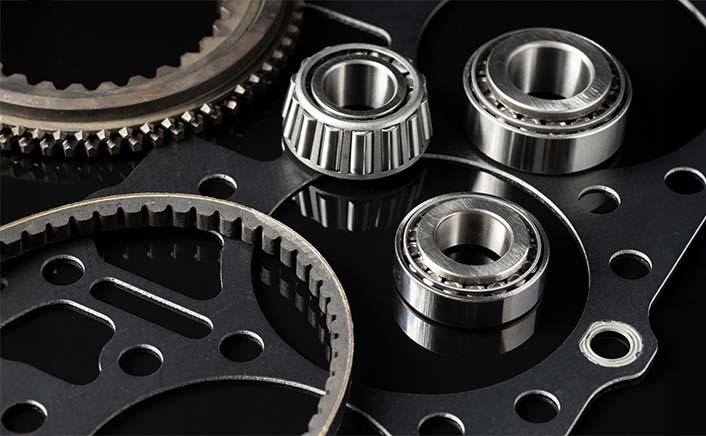
The Europe Bearings Market stands out as one of the most technologically advanced and industrially integrated segments within the global mechanical components industry. It benefits from strong manufacturing traditions, advanced engineering capabilities, and a wide range of end-use demands across sectors such as automotive, industrial machinery, energy, transportation, and aerospace. Bearings are essential components that facilitate motion by reducing friction, enhancing efficiency, and improving equipment reliability, thereby becoming indispensable in nearly all applications involving rotating machinery. Europe's status as a global manufacturing hub, particularly in precision engineering and high-performance industrial systems, continues to support stable long-term demand while fostering innovation aimed at higher efficiency and durability standards.
A key feature of the European bearings market is its close relationship with the automotive and transportation industries, which remain the largest demand generators. Europe is home to some of the world’s leading vehicle manufacturing clusters, and bearings play a critical role in engines, transmissions, steering systems, electric motors, and wheel assemblies. The transition to electric vehicles is reshaping product requirements rather than diminishing demand. While electric drivetrains reduce the number of traditional engine components, they require bearings with significantly higher performance capabilities to operate at elevated speeds, produce lower noise levels, and manage heat more effectively. This trend is accelerating research into low-friction materials, hybrid ceramic bearings, and advanced lubrication technologies. As a result, market value growth is increasingly driven by technological advancements rather than just volume expansion.
Industrial machinery and equipment are the second major source of demand, reflecting Europe's commitment to automation and modernization efforts. Countries throughout Western and Central Europe are continuing to invest in Industry 4.0 initiatives, robotics integration, and smart manufacturing systems. Bearings utilized in industrial automation are now required to meet stricter reliability and predictive maintenance standards, leading to a growing adoption of sensor-integrated and condition-monitoring solutions. Manufacturers are prioritizing the extension of operational life cycles, the reduction of downtime, and the enhancement of energy efficiency, which further boosts demand in the replacement and aftermarket sectors. The aftermarket segment is particularly crucial in Europe due to the considerable installed base of industrial equipment operating in mature economies.
The energy and power generation sector is also emerging as a significant driver of growth, largely due to the expansion of renewable energy. Wind turbines, for example, require large, specialized bearings capable of handling variable loads and tolerating harsh environmental conditions over extended periods. Europe's ambitious renewable energy targets have spurred increased installations of both onshore and offshore wind projects, creating sustained demand for high-capacity roller and spherical bearings. Additionally, modernization of the power grid and energy storage infrastructure contributes to growth in industrial power equipment applications. Unlike conventional industries, renewable energy applications tend to generate higher value per unit due to their engineering complexity and performance demands.
Railway and heavy transportation applications contribute significantly to market stability as well. Europe's extensive rail networks necessitate durable bearings designed for long operational cycles and heavy loads. Ongoing investments in high-speed rail modernization and enhancements to freight transport efficiency continue to sustain steady replacement demand. Unlike in the automotive sector, railway bearings emphasize longevity and safety certifications, leading to longer product development cycles, but also higher profit margins. Agriculture and construction equipment also drive consistent demand, influenced by seasonal machinery usage and ongoing infrastructure development across Eastern and Southern Europe.
From a production standpoint, the market features a dual regional structure that merges technological leadership with cost-efficient manufacturing. Western European countries excel in research, design, and high-precision manufacturing, whereas Central and Eastern Europe increasingly accommodate production and assembly facilities that benefit from competitive labor costs and integrated supply chains. This geographic diversification enhances supply resilience and allows manufacturers to optimize operational efficiency. Furthermore, European bearing producers are heavily export-oriented, supplying premium products to global automotive, aerospace, and industrial markets.
Technological innovation remains a pivotal competitive factor driving market evolution. Manufacturers are investing in advanced materials such as ceramic hybrids, surface coatings, and lightweight alloys to enhance efficiency and durability. Additionally, digitalization is reshaping the landscape, with smart bearings featuring sensors that monitor vibration, temperature, and load conditions in real-time.