U.S. Smart Luggage Market to Reach USD 1.96 Billion by 2033, Driven by Rising Premium Travel Spending and Connected Mobility Adoption
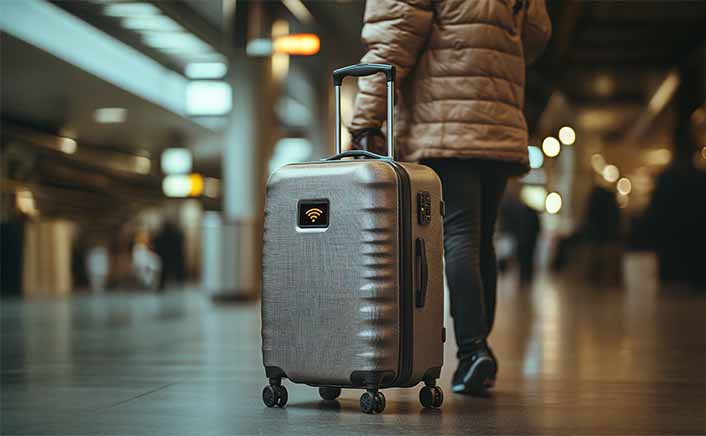
The U.S. Smart Luggage Market was valued at USD 0.81 Billion in 2025 and is projected to reach USD 1.96 billion by 2033, growing at a CAGR of 11.8% during the forecast period. The market is being supported by increasing air passenger traffic, rising business travel expenditure, expanding adoption of connected consumer products, and growing demand for premium travel accessories equipped with GPS tracking, USB charging, and app-enabled monitoring systems.
Smart luggage has emerged as a premium segment within the broader travel accessories industry by integrating technologies such as Bluetooth connectivity, digital weighing systems, biometric locks, and proximity tracking into conventional luggage products. Unlike traditional travel bags, smart luggage products are designed to improve mobility convenience, device charging accessibility, baggage security, and real-time location monitoring for frequent travelers.
The recovery in U.S. travel activity continues to create favorable conditions for the adoption of smart luggage. TSA passenger throughput exceeded 900 million travelers in 2024, while domestic leisure travel spending crossed USD 1 trillion, reflecting strong consumer willingness to spend on travel-related products and experiences. Business travel recovery across consulting, technology, and financial services industries is also increasing demand for premium travel gear capable of supporting connected mobility needs during long-haul and multi-city travel.
GPS-enabled luggage accounted for the largest share of the market in 2025, driven by growing concerns about baggage misplacement and inefficiencies in airport handling. Airlines worldwide experienced operational disruptions and elevated baggage mishandling volumes during peak travel periods over recent years, increasing consumer preference for luggage integrated with real-time tracking systems. USB charging luggage also maintained strong demand among corporate travelers requiring uninterrupted smartphone and laptop connectivity during airport transit and flights.
The market has evolved significantly following airline restrictions on non-removable lithium-ion batteries. Earlier smart luggage products faced regulatory scrutiny after several global airlines imposed restrictions on battery-integrated baggage because of fire safety concerns. As a result, manufacturers redesigned product architecture around removable battery systems and TSA-compliant charging modules. This transition restored consumer confidence while enabling continued innovation across the category.
Technology evolution remains a major competitive differentiator within the market. Manufacturers are increasingly integrating Bluetooth tracking ecosystems, app-based travel management tools, biometric locking systems, and weight-sensing technologies to improve product functionality. Several brands are also investing in lightweight aerospace-grade aluminum and recycled polycarbonate materials to balance durability, portability, and sustainability requirements. USB-C charging compatibility is becoming increasingly standardized as consumers transition toward newer electronic device ecosystems.
Consumer behavior patterns indicate that millennials, Gen Z travelers, and urban professionals represent the strongest demand base for smart luggage products. These consumers prioritize convenience, connected device integration, and premium travel experiences over purely price-driven purchasing decisions. Online retail channels continue to dominate category sales because consumers actively compare battery compliance standards, smart features, material quality, and airline compatibility before purchase.
The market is also benefiting from the rise of “bleisure” travel, where consumers combine business travel with leisure activities. Remote and hybrid work models have increased travel flexibility, driving demand for multifunctional luggage products that support extended mobility and digital work requirements.
Despite favorable growth fundamentals, the industry faces several operational challenges. High product prices remain a major barrier to mass-market adoption, with premium smart luggage products typically priced between USD 250 and USD 700. Durability concerns associated with embedded electronics continue to influence consumer purchasing decisions, as luggage products endure heavy physical handling during airline operations. In addition, standalone accessories such as Apple AirTags and portable power banks create competitive pressure for fully integrated smart luggage systems.
The competitive landscape remains moderately fragmented, with both established luggage manufacturers and digitally native travel brands competing through innovation, premium design positioning, and compliance-focused engineering. Key companies operating in the U.S. Smart Luggage Market include Samsonite International, Away, Rimowa, Delsey Paris, Travelpro, and Targus. Companies are increasingly focusing on innovations in removable batteries, expanding direct-to-consumer sales, and leveraging lightweight materials and smart ecosystem integration to strengthen long-term market positioning.
The U.S. is expected to maintain its position as the leading smart luggage market in North America throughout the forecast period, supported by high consumer spending capacity, premium travel trends, expanding adoption of connected devices, and continued growth in domestic and international air travel activity.