Driving Sustainability Trends in the U.S. Green Building Materials Market
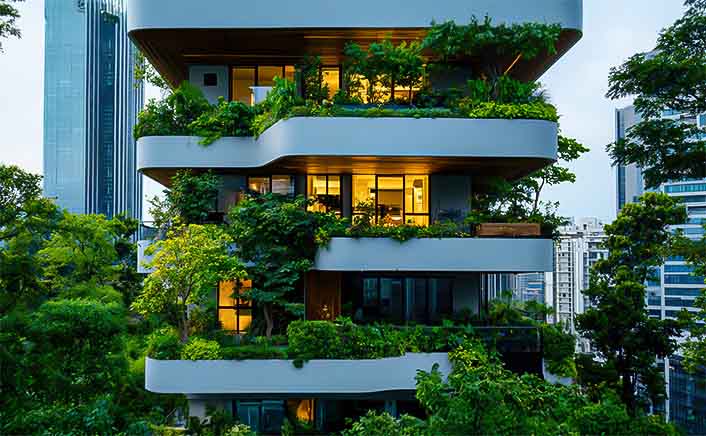
The demand for green building materials in the U.S. is growing, fueled by ongoing activity in residential, commercial, and large institutional projects. Stricter energy-efficiency standards, carbon-reduction goals, and sustainability disclosure rules are encouraging developers and asset owners to incorporate certified materials early in the design and procurement process. Consequently, green materials are now seen as essential rather than optional, vital for compliance, cost reduction, and long-term asset value. This demand is closely linked to construction pipelines, renovation schedules, and government investment programs, offering stability even when the broader construction market slows.
The U.S. green building materials market has become a mature, compliance-focused part of the larger construction materials sector. Besides their environmental benefits, these materials are essential for enhancing energy efficiency, indoor air quality, and building longevity. Items such as insulation, energy-efficient windows, low-carbon concrete, and low-VOC finishes are now standard in building specifications. Regulations, certification standards, and performance documentation create consistent demand, tying material use to project timelines instead of short-term price changes.
Market expansion primarily involves steady, value-driven growth rather than rapid volume growth. Demand for insulation and envelope materials remains strong due to their direct impact on energy use and the clear return on investment they deliver. The commercial and institutional sectors account for a larger share of the market value due to higher performance standards, detailed specifications, and certification requirements, which justify premium prices. Residential demand stays widespread, fueled by retrofit projects and sensitivity to energy costs. Additionally, infrastructure and public buildings are increasingly adopting low-embodied-carbon materials to support long-term decarbonization efforts.
Procurement practices in the U.S. focus on ensuring supply reliability, aligning certifications, and securing long-term performance guarantees. Major developers, contractors, and institutional purchasers depend extensively on approved supplier lists and contractual sourcing methods to meet regulatory standards and maintain consistent quality. This approach helps stabilize prices and minimizes short-term fluctuations. While distribution networks remain vital, there is increasing direct engagement with manufacturers for high-value systems like insulation, façade solutions, and roofing membranes, fostering closer collaboration with suppliers throughout project lifecycles.
Process innovation and material optimization drive steady value growth in the market. Improvements in manufacturing efficiency, use of recycled materials, and enhanced product performance help suppliers meet stricter regulations while controlling costs. The broader availability of green-certified, standardized products lowers adoption barriers, boosting usage in mid-market construction projects. As a result, green building materials are increasingly seen as performance-focused construction components rather than specialized sustainability products.
The geographic concentration of construction activity reinforces market stability. Widespread adoption in the Western and Northeastern U.S., along with growing demand in the South and Midwest, results in a balanced national market. Urban redevelopment, climate-related building needs, and institutional retrofit initiatives in these regions ensure consistent demand and facilitate long-term planning for suppliers.
Competitive Landscape
The U.S. green building materials market is relatively consolidated, with competition centered on certification scope, product quality, and supply capacity rather than on aggressive pricing. Major companies such as Owens Corning, Saint-Gobain, Holcim, USG Corporation, and Kingspan Group hold strong positions in insulation, envelope systems, and structural building materials due to their scale and regulatory compliance. Interface and Armstrong World Industries lead in sustainable interior and flooring solutions, while Carlisle Companies, Trex Company, and CertainTeed deepen market reach across roofing, composites, and exterior systems. Stringent qualification standards, lengthy approval processes, and well-established supplier relationships limit new entrants, maintaining market stability and supporting continuous growth in the U.S. green building materials sector.