The continued popularity of specialty beverages, experiential foodservice formats, and customizable drink offerings is sustaining demand for bubble tea across the United States.
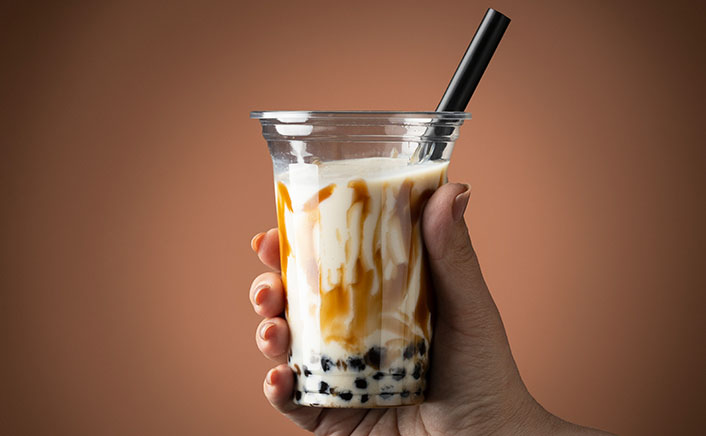
The US Bubble Tea Market is expanding steadily, supported by consistent consumption among younger demographics, the continued rollout of specialty cafés, and growing acceptance of bubble tea as a mainstream indulgent beverage. While early market growth was driven by novelty and rapid urban adoption, the market has now entered a more structured phase. Repeat purchases, established store networks, and gradual geographic expansion into suburban areas and secondary cities increasingly support demand. Bubble tea has moved from a niche, trend-driven product to a regular part of the specialty-beverage landscape in many urban and near-urban markets.
The US Bubble Tea Market was valued at USD 0.75 billion in 2025 and is projected to reach approximately USD 1.34 billion by 2033, growing at a CAGR of around 7.5%. Market growth is driven by steady outlet expansion, menu diversification, and incremental price increases, rather than sharp increases in per-capita consumption. The moderate growth rate reflects the market’s transition toward maturity, where demand is largely repeat-based and influenced by location strategy and brand loyalty rather than rapid first-time adoption.
Freshly prepared bubble tea accounts for the majority of the market value.
Freshly prepared bubble tea accounts for the largest share of the US market due to strong consumer preference for customization, freshness, and made-to-order preparation. Specialty cafés remain the primary consumption channel, offering a controlled brand experience and flexible menus that allow for flavor innovation and seasonal offerings. Although ready-to-drink bubble tea products are gaining visibility in retail, they currently play a complementary role and have not displaced on-trade consumption.
Milk-based and traditional variants continue to anchor demand.
Milk-based bubble tea remains the most widely consumed product category, supported by familiar taste profiles and broad appeal. Fruit- and tea-based options appeal to consumers seeking lighter or dairy-free alternatives. At the same time, specialty formats such as brown sugar and cheese tea command higher price points but represent a smaller share of total volume. Together, these categories support menu balance and help operators address diverse consumer preferences.
Specialty cafés account for the majority of sales.
Specialty bubble tea cafés represent the dominant distribution channel, driven by concentrated store networks in metropolitan areas, college towns, and high-footfall retail locations. These outlets benefit from repeat visitation and impulse-driven purchases. While bubble tea is increasingly available in RTD formats through convenience stores, supermarkets, and online platforms, off-trade channels currently account for a smaller share of the total market value due to texture, freshness, and customization limitations.
The West Coast leads demand, with expansion underway in other regions.
The Western United States holds the largest share of the US bubble tea market, supported by early adoption, dense urban populations, and strong Asian-influenced food culture. California remains a key demand center, followed by the Northeast, particularly New York and surrounding metropolitan areas. The Southern and Midwestern regions are experiencing gradual growth as bubble tea chains expand into suburban markets, though consumption levels remain lower than in coastal regions.
Demand stability favors repeat-driven and location-based consumption.
Demand characteristics vary across regions and channels. Urban markets demonstrate stable, repeat-driven demand supported by established consumer familiarity. In contrast, newer markets rely more on store openings and brand visibility. Price sensitivity exists, particularly among casual consumers, but loyalty to preferred brands and locations helps sustain regular purchasing behavior. These dynamics are encouraging operators to focus on store-level performance, menu optimization, and targeted expansion rather than aggressive national scaling.
Long-term market outlook remains steady and structurally supported.
The long-term outlook for the US bubble tea market remains positive, supported by demographic trends, continued interest in specialty beverages, and the normalization of bubble tea within everyday consumption patterns. Growth over the forecast period is expected to be driven primarily by repeat consumption, gradual geographic expansion, and incremental pricing adjustments, rather than sharp increases in volume or rapid shifts in consumer behavior.
Competitive Landscape
The US Bubble Tea Market is characterized by a fragmented competitive environment comprising international franchise chains, regional players, and independent specialty cafés. Competition centers on store-location strategy, menu differentiation, pricing, and brand experience rather than on large-scale consolidation. Leading companies prioritize franchising models, consistent quality, and localized menu offerings, while smaller players compete through premium positioning, niche flavors, and community-based branding.