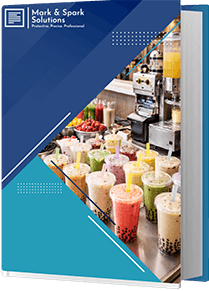
U.S. Bubble Tea Market Analysis by Product Type, Serving Format, Distribution Channel, Price Range, and Region, 2024–2033, Market Trends, Demand Insights & Forecast Till 2033
Market Overview
The U.S. Bubble Tea Market was valued at USD 0.75 billion in 2025 and is expected to grow to USD 1.34 billion by 2033, with a CAGR of 7.5% from 2026 to 2033. Growth is fueled by consistent interest from Gen Z and millennials, ongoing expansion of café networks beyond major coastal cities, and the gradual rise of ready-to-drink (RTD) bubble tea in retail channels. While freshly prepared bubble tea remains the most common serving style, specialty cafés continue to dominate on-trade consumption. Regionally, the West Coast leads in demand, driven by higher brand density and early adoption. In contrast, the South and Midwest are emerging markets as bubble tea expands into suburban and tier-2 urban areas.

What This Market Means for Stakeholders
Specialty café chains see steady repeat customer demand, with potential for careful geographic expansion rather than quick saturation. RTD beverage brands experience slower adoption but benefit from greater familiarity with bubble tea flavors and textures. Ingredient suppliers and distributors profit from ongoing store openings and menu diversification rather than sudden volume increases. Investors should consider this market as a mid-growth, fragmented segment driven by franchising, with moderate-margin resilience.
Market Structure and Segmentation
| By Product Type | Milk-based bubble tea Fruit-based and tea-based bubble tea Specialty bubble tea (cheese tea, brown sugar, matcha-based) |
| By Ingredient |
Tapioca pearls Popping boba Jelly-based toppings No-topping / classic variants |
| By Serving Format |
Freshly prepared bubble tea Ready-to-drink (RTD) bottled or canned bubble tea |
| By Sweetener Level |
Regular sugar Reduced sugar Sugar-free/alternative sweeteners |
| By Price Range |
Mass-market Premium / artisanal |
| By Distribution Channel |
Specialty bubble tea cafés Quick-service restaurants and kiosks Convenience stores Supermarkets and hypermarkets Online retail and direct-to-consumer |
| By Consumption Mode |
On-trade Off-trade |
| By Region (US) |
West Coast Northeast Midwest South |
Demand Drivers and Structural Constraints
The primary growth driver is the mainstreaming of bubble tea among younger consumers, supported by social media visibility, customizable menus, and experiential café formats. Expansion into suburban markets and college towns has broadened the addressable consumer base beyond coastal metros. However, the market faces structural constraints from price sensitivity, particularly as premium beverages compete with specialty coffee and functional drinks. Rising labor and ingredient costs also limit aggressive pricing strategies, keeping growth steady rather than exponential.
Consumer Consumption and Purchase Behavior
Bubble tea consumption in the US is mainly among consumers aged 16–40, with the highest frequency in urban and nearby suburban areas. Younger consumers tend to see bubble tea as an occasional treat rather than a daily drink, resulting in moderate annual consumption. The premium market is still growing, characterized by specialty flavors, branded toppings, and limited-time offers, while demand for reduced-sugar options is rising. On-trade sales are prevalent due to preferences for customization and freshness, although off-trade ready-to-drink products are increasingly popular among convenience-focused shoppers. E-commerce and delivery services are playing a bigger role in shaping buying choices, especially among urban consumers who prefer takeaways and bundled deals.
Dominant Segment Analysis: Freshly Prepared Bubble Tea
Freshly made bubble tea dominates the US market due to its strong links to customization, perceived freshness, and social appeal. Specialty cafés offer a curated brand experience that encourages repeat visits and enables premium pricing. The made-to-order approach also helps operators quickly respond to flavor trends and dietary needs, maintaining their relevance across different consumer groups.
Milk-based variants lead this segment due to their wide popularity, whereas fruit-based options appeal to health-conscious and lactose-intolerant consumers. Specialty formats like brown sugar and cheese tea tend to have higher prices but account for a smaller share of the market.
Regional Demand Patterns
The West Coast continues to be the leading region, buoyed by early adoption rates, a high concentration of stores, and a robust Asian-inspired food scene in states like California and Washington. The Northeast, especially New York and Massachusetts, is a close second, fueled by densely populated urban centers and a vibrant café culture. The South is rapidly growing as bubble tea chains expand into Texas, Florida, and Georgia, supported by younger populations and a rising acceptance of specialty drinks. Meanwhile, the Midwest experiences steady growth, primarily in college towns and suburban shopping areas, although its adoption rate is slower than that of coastal areas due to less brand visibility.
Competitive Landscape and Market Positioning
The bubble tea market in the US is quite fragmented, with no one company holding a dominant national position. Its growth mainly stems from franchised expansion and regional clusters rather than widespread nationwide saturation.
Major players operating in the US include Kung Fu Tea, Gong Cha, Chatime, CoCo Fresh Tea & Juice, Sharetea, Happy Lemon, Ding Tea, Quickly, Boba Guys, and The Alley. Competition centers on location strategy, menu differentiation, and pricing rather than large-scale consolidation.
Strategic Outlook and Market Evolution
The US Bubble Tea Market is shifting from initial expansion to a more organized, disciplined growth phase. Although demand remains high among younger consumers, the market's future development will rely less on rapid store openings and more on improving operational efficiency, refining menus, and strategic geographic focus. Top operators are now focusing on unit-level profitability, store format improvements, and selective suburban growth rather than rapid urban clustering.
Menu evolution will remain a key factor as brands strive to balance innovative options, such as specialty and seasonal items, with their essential, high-volume products that ensure consistency. Meanwhile, increased consumer awareness of sugar consumption and ingredient transparency is encouraging operators to offer more reduced-sugar and alternative-sweetener options without sacrificing taste or texture.
From a perspective, on-trade consumption will remain the primary driver of the market. However, off-trade formats are likely to serve a supplementary role rather than disrupt the market. RTD bubble tea is expected to enhance brand visibility and encourage trial, but it will face challenges in maintaining texture, shelf life, and price competitiveness.
Overall, long-term success in the US Bubble Tea Market will depend on players who adopt a balanced approach, gradually expand, understand local demand, and implement disciplined pricing strategies, rather than those who chase rapid growth at the expense of profitability.