Japan Image Sensor Market to Reach USD 8.83 Billion by 2033 Driven by Automotive ADAS Adoption and AI Imaging Technologies
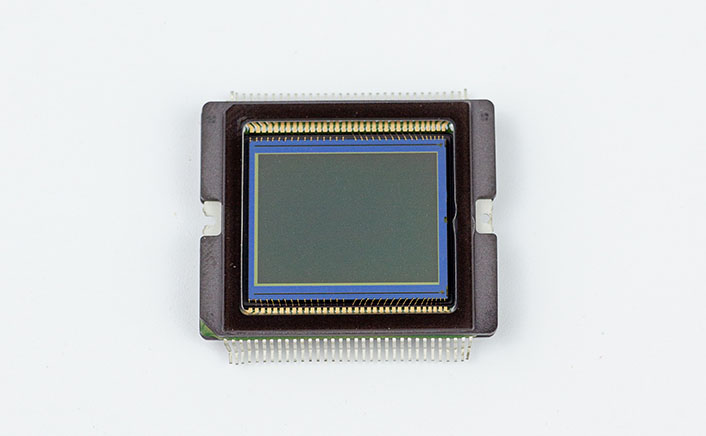
The Japan Image Sensor Market was valued at USD 5.10 billion in 2025 and is projected to reach USD 8.83 billion by 2033, expanding at a CAGR of 7.1% during the forecast period. The market is benefiting from strong demand across automotive electronics, industrial automation, machine vision systems, premium consumer electronics, and AI-enabled surveillance applications.
Japan continues to hold a strategically important position in the global imaging semiconductor ecosystem due to its advanced CMOS sensor manufacturing capabilities and strong presence of leading semiconductor companies. The country remains a major innovation hub for high-performance image sensors used in smartphones, autonomous vehicles, robotics, medical imaging systems, and industrial inspection equipment.
The rapid integration of advanced driver assistance systems (ADAS) is emerging as one of the strongest growth catalysts for the market. Modern passenger vehicles increasingly require multiple imaging sensors for lane detection, driver monitoring, parking assistance, collision avoidance, and autonomous driving functionalities. Japanese automotive manufacturers are accelerating deployment of camera-based safety systems to comply with evolving vehicle safety standards and enhance mobility technologies.
Industrial automation is also contributing significantly to market expansion. Japan’s manufacturing sector continues to invest heavily in robotics, semiconductor inspection systems, and AI-driven factory automation solutions to address labor shortages and improve production efficiency. Machine vision systems equipped with advanced CMOS image sensors are becoming essential for precision manufacturing, warehouse automation, and defect inspection applications.
Among technology segments, CMOS image sensors account for the largest share of the market due to their low power consumption, compact form factor, and superior processing performance. Stacked CMOS architectures are gaining substantial traction as manufacturers focus on improving image quality, dynamic range, and low-light sensitivity for premium smartphones and automotive applications.
The consumer electronics sector remains the largest application segment, supported by Japan’s strong ecosystem for camera modules, imaging optics, and semiconductor innovation. However, automotive imaging is expected to register faster revenue growth over the forecast period due to rising camera integration per vehicle and increasing investments in autonomous mobility technologies.
The market is also witnessing increasing adoption of AI-enabled edge imaging systems capable of processing visual information directly within devices. These technologies are gaining relevance across surveillance infrastructure, robotics, industrial automation, and healthcare imaging applications. In medical imaging, demand for compact high-resolution sensors is increasing across endoscopy systems, diagnostic equipment, and robotic surgical platforms.
Japan’s semiconductor policy initiatives are further strengthening domestic investment activity. Government-backed semiconductor incentives and strategic collaborations with global chipmakers are supporting manufacturing expansion and supply chain resilience. Kumamoto Prefecture has emerged as a key semiconductor investment hub following major fabrication and imaging technology investments.
Leading companies operating in the Japan Image Sensor Market include Sony Group Corporation, Canon Inc., Panasonic Holdings Corporation, Samsung Electronics, and OmniVision Technologies. Market competition is increasingly centered on sensor miniaturization, AI integration, 3D sensing capabilities, high-speed processing, and low-light imaging performance.
As AI adoption, automotive digitalization, and industrial automation continue to accelerate, Japan is expected to maintain its global leadership position in advanced image sensing technologies throughout the forecast period.