How Energy Transition Policies Are Reshaping the Europe Residential HVAC Market Through 2033
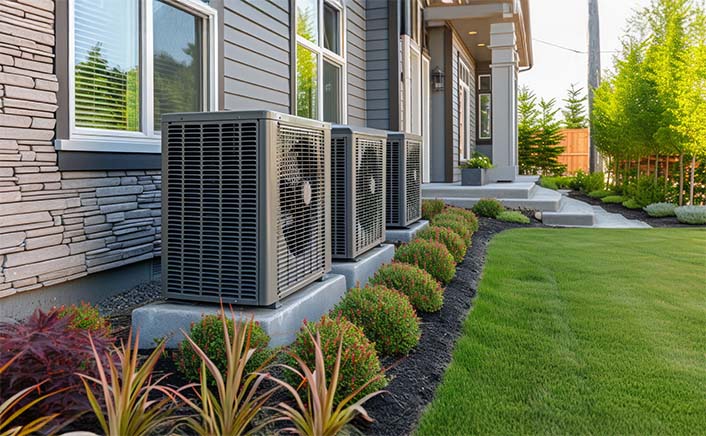
The Europe Residential HVAC Market is currently undergoing a significant structural transformation influenced by energy transition policies, shifting consumer expectations, technological advancements, and widespread building modernization initiatives throughout the region. Residential buildings account for one of the largest shares of energy consumption in Europe, with heating and cooling responsible for nearly half of total energy use. This makes HVAC systems crucial to decarbonization strategies and long-term sustainability goals.
Governments and regulatory bodies are actively reshaping market demand through the implementation of efficiency standards, electrification mandates, and financial incentives designed to accelerate the replacement of fossil-fuel heating technologies with low-carbon alternatives. Initiatives such as the European Green Deal, the Energy Efficiency Directive, and various national renovation programs are collectively driving the adoption of advanced HVAC solutions, effectively positioning the residential segment as a key contributor to the overall growth of the HVAC market. By 2024, the residential sector is expected to account for approximately 47% of total HVAC demand in Europe, underscoring its pivotal role in industry expansion.
A defining influence in the Europe Residential HVAC market is the rapid adoption of heat pumps, which have become essential for electrified heating. Europe leads the world in heat pump deployment, bolstered by subsidies, carbon reduction targets, and energy security concerns heightened by recent geopolitical events. The uptake of heat pumps is closely linked to retrofit projects and energy-efficient housing upgrades, with around 60% of installations occurring within renovation efforts rather than new constructions. Governments in Germany, France, the UK, and Nordic countries continue to promote renewable heating through incentive schemes and building regulations that favor electrified systems. However, the market has faced short-term volatility due to subsidy adjustments, economic slowdowns, and high initial equipment costs, which temporarily affected heat pump sales in 2024, even though long-term growth prospects remain strong.
Another key driver of this market is Europe’s aging housing stock, where roughly 75% of buildings were built before 1990 and often lack efficient insulation or modern HVAC infrastructure. Large-scale renovation initiatives, which aim to target tens of millions of buildings by 2030, are generating sustained demand for heating, ventilation, and indoor air quality systems. Retrofit activities now account for more than 65% of HVAC installations, indicating that modernization, rather than new construction, is the primary engine of demand. This trend supports ongoing equipment replacement cycles, particularly as older boilers transition to hybrid or electric solutions.
Climate change is further reshaping demand patterns, as increasing temperatures and more frequent heatwaves in Southern and Western Europe lead to higher cooling requirements, while strong heating demand persists in colder regions. Projections indicate a potential fourfold increase in the number of installed air conditioning units across Europe by 2050, which signifies a shift towards a more integrated heating-and-cooling ecosystem, balancing the historically heating-dominated market.
Technological advancements are also propelling market expansion. Manufacturers are introducing innovations such as inverter-driven compressors, smart thermostats, IoT-enabled HVAC systems, and low-global-warming-potential refrigerants in line with stringent environmental regulations. Digitalization enables homeowners to optimize energy consumption, monitor system performance remotely, and integrate HVAC systems into broader smart home settings. These advancements enhance lifecycle efficiency and justify higher equipment pricing, contributing to steady revenue growth even during periods of moderate volume expansion.
Despite these robust structural drivers, the Europe Residential HVAC market faces challenges such as installer shortages, grid capacity constraints, and affordability issues related to advanced heating technologies. The high initial investment remains a significant barrier to adoption, particularly for lower-income households, while inconsistent policies across countries can create fluctuations in demand. Nevertheless, the long-term investment momentum remains strong, supported by large-scale manufacturing expansions and supply chain localization efforts aimed at meeting Europe’s ambitious heat pump deployment targets.
In summary, the Europe Residential HVAC market is transforming from a conventional heating-focused industry into a technologically advanced, electrified, and sustainability-driven ecosystem. Electrification, renovation-led demand, climate adaptation, and digital innovation collectively shape the market’s growth trajectory, solidifying the role of residential HVAC systems as a crucial element of Europe’s broader energy transition and carbon reduction strategy in the coming decade.