Rising Adoption of Commercial and Industrial Floating Solar Systems Across Europe Energy Infrastructure
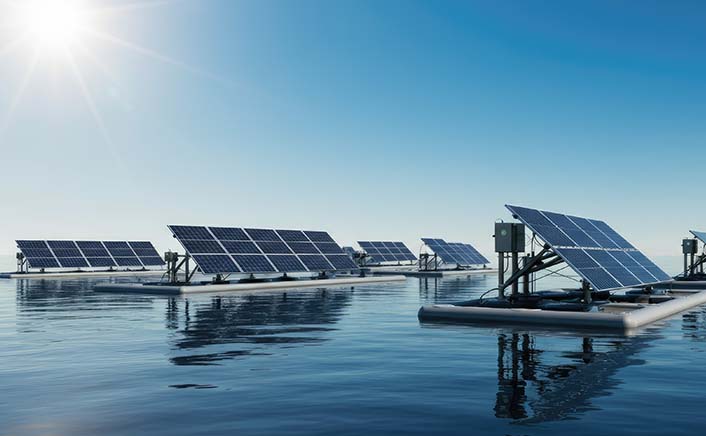
The application-based segmentation of the Europe Floating Solar Panels Market presents a diversified yet utility-driven structure, where large-scale energy generation stands as the primary end use, while other applications contribute steadily to overall growth. Utility-scale power generation commands the largest share at 53.00%, highlighting its vital role in shaping the market's development trajectory. This dominance is largely due to the rising demand for large-capacity renewable energy installations that effectively utilize various water surfaces, such as reservoirs, artificial lakes, and abandoned quarry sites. Energy companies and utilities, with their financial capabilities and strategic commitment to long-term infrastructure, primarily develop these utility-scale projects. These installations enjoy economies of scale, enhanced energy output, and supportive policies from several European countries that are promoting renewable energy adoption to meet decarbonization targets. Additionally, the capacity to generate substantial power without occupying valuable land enhances the attractiveness of this segment, especially in densely populated areas where land is both limited and costly.
Commercial and industrial applications make up 22.00% of the Europe floating solar panels market, reflecting a growing segment driven by businesses aiming to optimize energy costs and bolster sustainability performance. Industries such as manufacturing, logistics, food processing, and chemicals are increasingly integrating floating solar systems on onsite water bodies like retention ponds and reservoirs. This segment is particularly relevant for companies dealing with high electricity tariffs, as they seek to stabilize long-term energy expenses while lowering their carbon footprint. Incorporating floating solar into industrial operations aligns with corporate environmental, social, and governance initiatives, rendering it a strategic investment rather than merely an energy solution. Furthermore, commercial entities often deploy floating solar installations to enhance energy resilience and diminish reliance on grid-supplied electricity, which can be volatile in pricing.
Water treatment facilities hold a 10.00% share of the market and represent a niche but important application within the Europe floating solar panels sector. Municipal water treatment plants and reservoirs provide ideal locations for floating solar installations, utilizing large water surfaces for energy generation efficiently. By deploying floating solar panels in these settings, operators can generate onsite electricity to power pumps, filtration systems, and other operational equipment, significantly cutting operational costs. Additionally, these installations can mitigate water evaporation and improve water quality by curbing algae growth, thereby offering environmental benefits alongside energy production. Such advantages position floating solar as an appealing solution for public utilities looking to enhance both energy efficiency and resource management.
Hydro-solar hybrid projects account for a 12.00% share of the Europe floating solar panels market and signify a key area of innovation and synergy within the renewable energy sector. These projects involve aligning floating solar installations with existing hydropower plants, thus allowing both technologies to function synergistically. Hydropower facilities provide stable grid output while floating solar contributes additional generation capacity during daylight hours, fostering a complementary energy mix. This hybrid strategy enhances overall plant utilization, boosts grid stability, and facilitates better water resource management. Several European nations with established hydropower infrastructure are increasingly exploring such hybrid configurations to optimize asset efficiency and advance renewable energy targets. The shared use of infrastructure, including transmission lines and substations, also aids in cost optimization and operational efficiency.
The remaining 3.00% of the Europe floating solar panels market is classified under other applications, which encompass pilot projects, research and development installations, and smaller-scale deployments across various water bodies. While this segment constitutes a relatively minor share, it plays a pivotal role in testing new technologies, materials, and system configurations for potential scaling into larger commercial initiatives. These experimental and niche applications often serve as demonstration sites, helping to validate performance, durability, and cost-effectiveness under varying environmental conditions.
Overall, the application landscape of the Europe floating solar panels market illustrates a strong emphasis on utility-scale power generation, accompanied by increasing adoption across commercial, industrial, municipal, and hybrid segments. This balanced array of applications suggests that floating solar technology is evolving from early-stage development into a more mature and integrated solution within the renewable energy landscape.