Deep Dive into Europe Black Soldier Fly Market Product Segmentation: From Protein Meal Leadership to Frass and Chitin Opportunities
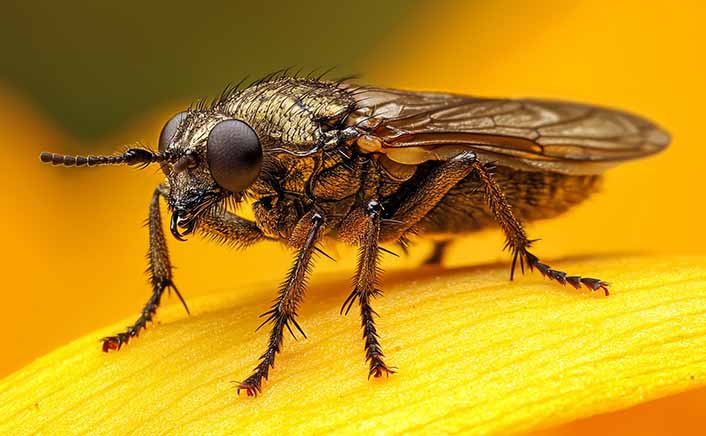
The product type segmentation of the Europe Black Soldier Fly Market showcases a mature yet evolving value chain, with protein meal clearly leading, holding a 45.00% share. This prominent position reflects the crucial role of protein meal as the primary output of BSF processing and its alignment with the heightened demand from the aquaculture, poultry, and livestock feed sectors. The dominance of protein meal is largely attributed to the nutritional profile of BSF, which serves as a viable alternative to fishmeal and soybean meal, particularly in light of sustainability challenges, price volatility, and supply chain issues. Consequently, protein meal remains central to the commercial viability of the Europe Black Soldier Fly market, bolstered by established supply agreements and partnerships with feed manufacturers.
BSF oil ranks as the second most significant product segment, accounting for 15.00% of the market. Its application in feed formulations is on the rise due to its high energy content and beneficial properties. The increasing demand for BSF oil is closely linked to the expansion of compound feed uses, where a balanced lipid profile is crucial for animal health and growth performance. While it does not match the volumetric lead of protein meal, oil significantly contributes to revenue diversification and enhances overall plant economics by optimizing output from processed biomass.
Biofertilizers, derived from frass, comprise a 12.00% share and are instrumental for the circular economy within the Europe Black Soldier Fly market. Their rich nutrient composition, soil conditioning benefits, and compatibility with organic farming practices make them increasingly popular in agriculture, driven by a demand for sustainable fertilizers and a decrease in reliance on synthetic options. Despite a lower price point compared to protein-based products, frass adds incremental revenue streams and underpins waste valorization strategies.
Whole dried larvae, capturing a 10.00% share, cater to both feed and pet food markets, especially where minimal processing is preferred. This segment benefits from easier production and lower processing costs, appealing to smaller operators and niche markets. Live larvae, at 8.00%, mostly serve localized feed applications, such as aquaculture bait and small-scale livestock feeding, where freshness and mobility are prioritized over processed forms.
High-value derivatives, including chitin and chitosan, account for 3.00% of the market, reflecting their niche yet premium status in pharmaceuticals, cosmetics, and industrial applications. These compounds, although limited in volume share, offer significant margin potential due to their specialized applications and elevated price points. Additionally, other BSF-derived products collectively contribute 7.00%, capturing emerging innovations and specialized applications still in early commercialization but demonstrating future diversification potential.
Overall, the market distribution highlights a strong concentration around protein meal as the main revenue driver while gradually transitioning toward a multi-product ecosystem. This ability to derive value from multiple outputs during the BSF lifecycle enhances resource efficiency and profitability, emphasizing the significance of integrated processing models. As the Europe Black Soldier Fly market continues to mature, it is anticipated that the relative share of by-products, such as oil, frass, and chitin, will incrementally rise, driven by technological progress, enhanced extraction methods, and a growing demand for sustainable and high-value bio-based materials across various industries.