Rapid industrialization, expanding semiconductor manufacturing, and accelerating electric-vehicle production are significantly driving demand for advanced ceramics across the Asia-Pacific region.
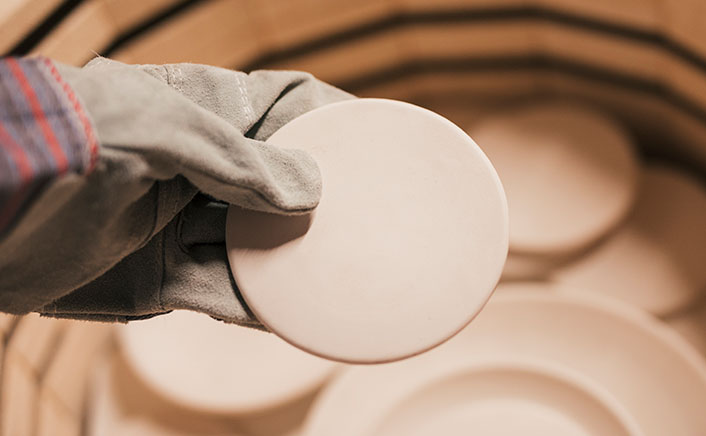
The Asia Pacific Advanced Ceramics Market is experiencing robust, sustained growth, driven by strong expansion across the electronics, automotive, energy, and industrial sectors. Advanced ceramics, known for their exceptional thermal resistance, electrical insulation, and mechanical durability, are increasingly becoming indispensable in high-performance applications. As industries transition toward electrification, miniaturization, and energy efficiency, the role of advanced ceramics has shifted from a specialized material to a critical enabler of modern manufacturing and technological innovation.
The market was valued at USD 65 billion in 2025 and is projected to reach USD 117 billion by 2033, growing at a CAGR of 7.5% during the forecast period. This growth trajectory is underpinned by structural demand from key industries rather than short-term cyclical trends. Significant investments in semiconductor fabrication plants across China, Taiwan, South Korea, and Japan are driving consistent demand for high-purity ceramic components used in chip manufacturing equipment and electronic devices. At the same time, the rapid scale-up of electric vehicle production across the region is further strengthening the need for advanced ceramics in battery systems, power electronics, and thermal management.
The electronics and semiconductor industry remains the dominant demand driver, accounting for the largest share of the market. Asia Pacific produces the majority of the world’s electronic components, and advanced ceramics play a vital role in ensuring performance reliability and efficiency. Ceramic substrates, multilayer capacitors, and insulating components are widely used in integrated circuits, smartphones, and computing devices. As semiconductor nodes continue to shrink and performance requirements increase, the demand for high-precision, high-purity ceramics is expected to grow further.
The automotive sector is emerging as a major growth engine for advanced ceramics, particularly with the transition toward electric mobility. Electric vehicles require advanced materials that can withstand high temperatures and provide electrical insulation, making ceramics essential for battery modules, sensors, and powertrain systems. Countries such as China and South Korea are leading the global EV transition, supported by favorable government policies and large-scale manufacturing ecosystems. This shift is not only increasing the volume of ceramic components used per vehicle but also driving demand for higher-performance materials such as silicon carbide.
Industrial machinery and energy applications also contribute significantly to market demand. Advanced ceramics are widely used in wear-resistant components, cutting tools, and high-temperature industrial equipment. In the energy sector, the expansion of renewable energy infrastructure, including solar and wind power, is creating additional demand for ceramic insulators and components capable of operating in extreme environments. Asia Pacific continues to lead global renewable energy installations, further reinforcing demand in this segment.
Product innovation is a key factor shaping the market's competitive landscape. Manufacturers are increasingly focusing on developing advanced materials such as non-oxide ceramics, including silicon carbide and silicon nitride, which offer superior performance in demanding applications. These materials are particularly important in power electronics, aerospace, and energy systems. Additionally, advancements in manufacturing technologies, including additive manufacturing and nanostructured ceramics, are enabling the production of complex components with enhanced properties and reduced material waste.
From a distribution perspective, the market is largely driven by direct supply relationships between manufacturers and OEMs, especially in electronics and automotive industries. Long-term contracts and stringent quality requirements make direct sales the preferred channel for high-value applications. However, distributors and industrial suppliers continue to play an important role in serving smaller manufacturers and aftermarket demand, particularly in industrial and maintenance applications.
Regionally, China dominates the Asia Pacific advanced ceramics market due to its large-scale manufacturing base, strong government support, and leadership in electronics and EV production. The country’s focus on self-sufficiency in semiconductor manufacturing is further boosting demand for high-performance ceramic materials. Japan remains a global leader in precision ceramics and high-end applications, with companies specializing in advanced technologies and premium products. South Korea’s strong semiconductor and electronics industry also contributes significantly to regional demand, while Taiwan plays a critical role in chip manufacturing.
Emerging markets such as India and Southeast Asia are witnessing increasing demand driven by industrialization, infrastructure development, and the expansion of electronics manufacturing. These regions are attracting investment from global manufacturers seeking to diversify their supply chains and capitalize on growing domestic consumption.
Overall, the Asia-Pacific advanced ceramics market is positioned for steady, sustained growth, supported by long-term industrial trends and technological advancements. As demand for high-performance, durable, and efficient materials continues to rise, advanced ceramics will play a central role in enabling next-generation technologies across multiple industries. Manufacturers that focus on innovation, cost optimization, and strategic partnerships are expected to benefit the most from the evolving market landscape.