Rising Demand for Point-of-Care Diagnostics Driving Growth in the Asia Pacific Portable Ultrasound Market
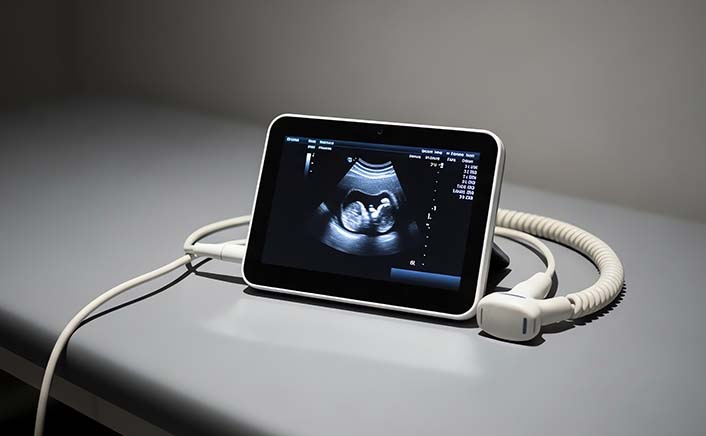
The Asia Pacific portable ultrasound market is witnessing strong growth driven by expanding access to point-of-care diagnostics, rising healthcare infrastructure investments, and increasing demand for cost-effective imaging solutions in rural and urban settings. Countries such as China and India are leading adoption due to large patient pools and government-led healthcare initiatives. Technological advancements, including AI-enabled imaging and handheld devices, are improving diagnostic efficiency. Additionally, growing applications in emergency care, maternal health, and home healthcare are accelerating demand. However, pricing sensitivity and regulatory variability remain key challenges for widespread adoption across emerging economies in the region.
The Asia Pacific Portable Ultrasound market was valued at USD 49.78 Million in 2025 and is projected to reach USD 120.63 Million by 2033, with a compound annual growth rate (CAGR) of 14.30% from 2027 to 2033.
One of the big advantages of this region is its large and diverse population, particularly in rural areas where traditional ultrasound machines may not be easily accessible. Governments in these countries are also taking steps to promote affordable healthcare and raising awareness about the importance of early disease detection, which is helping more people consider using portable ultrasound devices.
As chronic diseases like heart issues and cancer become more common, the need for advanced diagnostic equipment is growing. Plus, with more people traveling for medical care and a surge in healthcare startups, Asia Pacific is really establishing itself as a central player in the portable ultrasound market.
1. The adoption of cutting-edge medical technologies, such as portable ultrasound machines, is made easier by increased investments in healthcare infrastructure throughout the Asia Pacific region.
In recent years, there has been a notable surge in healthcare investments across the Asia Pacific region, thanks to efforts from both governments and private companies. Countries like China, India, and Indonesia are making significant strides in enhancing their healthcare infrastructure, focusing on making modern medical technologies more accessible.
One exciting development is the increased use of advanced diagnostic tools, such as portable ultrasound devices. This trend is especially crucial in emerging markets where healthcare systems are evolving quickly to meet the rising demand for medical services. As budgets for healthcare grow, the adoption of affordable and compact technologies like portable ultrasound systems is becoming more realistic, particularly in areas that lack access to large, traditional diagnostic machines. These investments are likely to keep driving market growth, ultimately improving healthcare delivery in both urban and rural communities.
2. The affordability and cost-effectiveness of portable ultrasound devices make them an attractive option for regions with limited access to expensive diagnostic equipment.
The economic landscape in the Asia Pacific region is incredibly diverse, and this has led to a growing demand for affordable healthcare solutions. In many developing countries, limited budgets mean that expensive medical equipment is often out of reach for public hospitals and clinics. That's where portable ultrasound devices come in. These machines are much more cost-effective than traditional ultrasound systems and still provide crucial diagnostic capabilities without breaking the bank.
This need for affordable healthcare is even more pressing as healthcare costs continue to rise in developed countries, which has sparked a shift toward finding more budget-friendly medical devices. Portable ultrasound machines are gaining popularity because they balance affordability with reliability, making them an increasingly vital tool in the healthcare systems across the region.
3. Portable ultrasound devices provide an efficient and accessible solution for remote and rural areas with limited access to traditional medical facilities.
One of the key factors driving the adoption of portable ultrasound technology in the Asia Pacific region is the need to improve healthcare access in rural and remote areas. In countries like India and China, healthcare infrastructure is largely concentrated in urban centers, resulting in limited access to essential diagnostic services for rural populations. Portable ultrasound devices provide a practical solution; they are lightweight, compact, and easy to transport, making them well-suited for use in underserved regions. These devices can be brought directly to remote clinics, homes, or community health centers, thereby bridging the gap in healthcare delivery. This on-site capability not only enhances diagnostic accuracy but also significantly reduces the need for patients to travel long distances for basic diagnostic procedures. Consequently, portable ultrasound systems play a vital role in improving healthcare accessibility and equity throughout the region.
4. The growing prevalence of chronic diseases in the region creates a rising demand for frequent diagnostic monitoring, driving the adoption of portable ultrasound systems.
The growing number of chronic diseases like heart problems, diabetes, and cancer is significantly driving the need for portable ultrasound devices in the Asia Pacific region. These conditions require regular check-ups and early detection to be managed effectively. Traditional diagnostic methods usually mean expensive and time-consuming trips to the hospital, but portable ultrasound systems offer a more convenient and affordable option.
As healthcare awareness increases, both patients and healthcare providers are turning to portable ultrasound technology for routine monitoring, especially for those in high-risk groups. The ability to keep an eye on issues like heart disease and cancer can lead to quicker diagnoses and better outcomes for patients. With the rise of these health challenges in the region, portable ultrasound technology is becoming essential for managing healthcare resources and ensuring timely, preventative care.
5. Government policies aimed at improving healthcare access and affordability have increased the adoption of portable ultrasound devices, especially in underserved areas.
Countries in the Asia Pacific region are increasingly recognizing the importance of improving healthcare access, especially in underserved areas. To help with this, many governments are supporting the use of affordable diagnostic tools, like portable ultrasound devices. National health programs are aimed at expanding healthcare coverage, improving rural health services, and encouraging the adoption of modern medical technology.
For instance, initiatives like India’s National Health Mission and healthcare reforms in China have opened the door for more widespread use of cost-effective medical equipment. These programs often include subsidies, training for healthcare workers, and collaborations with private healthcare providers to ensure that advanced diagnostic tools are more accessible to those in need.
Moreover, governments are actively working to reduce health disparities, making sure that basic diagnostic tools reach people in remote or rural areas. As a result, portable ultrasound systems are becoming a common fixture in healthcare programs, improving early disease detection, lowering diagnostic costs, and enhancing overall healthcare delivery for communities.
Competitive Landscape
Some of the major companies operating within the Portable Ultrasound market are: GE Healthcare, Koninklijke Philips N.V., FUJIFILM Sonosite, Inc., ALPINION MEDICAL SYSTEMS Co., Ltd., Hitachi Ltd., Shenzhen Mindray Bio-Medical Electronics Co., Ltd., EDAN Instruments, Terason Corporation, CHISON Medical Technologies, Healcerion, Butterfly Network, Inc. and Others.