U.S. Medical Camera Market — Rapid Growth, Smart Tech & Expanding Use Cases
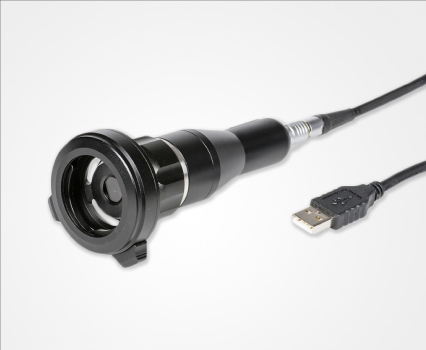
The U.S. medical market is experiencing strong growth, driven by technological advancements and rising demand for minimally invasive procedures, which should inspire confidence among stakeholders about future opportunities. According to the 2025 report by Mark & Spark Solutions, the U.S. medical camera market recorded sales of 355,322 units in 2024 and is projected to reach 574,764 units by 2032, with a CAGR of 7.4% over 2025-2032. This growth reflects a broader transformation in the medical industry, moving from traditional imaging setups to high-definition, portable, and wireless camera systems that offer better visualization for surgical, diagnostic, and monitoring applications.
Drivers of Market Expansion
Major drivers for the expansion of the U.S. medical camera sector include:
• Advancement in imaging technology: This shift to high-definition (HD) and even 4K imaging systems has enhanced surgical precision and diagnostic clarity. This is especially relevant in specialties such as gastroenterology, orthopedics, ophthalmology, and laparoscopy, where a clear vision significantly influences outcomes.
• Rise of minimally invasive procedures: As more surgeries adopt these techniques, demand for high-quality imaging has increased. Medical cameras allow surgeons to operate with smaller incisions by reducing trauma and aiding the patient's recovery.
• Growth of telemedicine and remote monitoring: The rise in telehealth has driven increased demand for imaging devices that support remote diagnostics, virtual consultations, and post-operative follow-up. Portable, wireless cameras are helpful for this type of monitoring in outpatient or home healthcare settings.
• Broader healthcare infrastructure investments: US hospitals, clinics, and surgical centers are upgrading equipment to deliver better care, meet regulatory standards, and remain competitive in the market. This includes investments in advanced camera systems.
Segmentation: Types of Cameras & Where They’re Used
The report classifies cameras into four major types: PTZ (Pan-tilt-zoom) cameras, fixed cameras, wearable monitoring cameras, and other specialized imaging devices, including endoscopic and compact portable systems.
• PTZ cameras: The demand for these cameras is skyrocketing and is expected to reach a market value of USD?883.7?million by 2032 (from 2023), with a CAGR of 8.8%. This flexibility in framing high-resolution imaging and precise control makes them ideal for surgeries, telemedicine, and critical care monitoring.
• Fixed Cameras: These cameras are trusted for their reliability and cost-effectiveness. They are widely used in operating rooms and diagnostic laboratories, as well as for continuous patient monitoring, playing a crucial role in routine clinical workflows. The fixed camera segment is forecast to grow from USD 197.3 million in 2023 to USD 361.9 million by 2032, reflecting its ongoing importance in healthcare settings.
• Wearable monitoring cameras: These cameras are seeing significant adoption in critical care units, rehabilitation centers, and home healthcare settings. This sector grew from USD 171.8 million in 2023 to USD 352.8 million by 2032. This real-time monitoring reduces the need for constant supervision and supports a more patient-centric care model.
• Specialized / ‘Other’ devices: This includes endoscopic cameras and portable imaging systems used for niche applications such as dermatology, ophthalmology, and other specialized diagnostics. The “other” segment is projected to increase from USD 52.1 million in 2023 to USD 87.7 million by 2032.
Price Trends & What They Reveal
The prices in the US medical camera industry are shifting as features such as 4K visualization, AI integration, wireless connectivity, and 3D/multi-angle imaging have become more mainstream.
• In 2023, the average price per unit was about USD?2,447
• By 2025, that is expected to rise to USD?2,685, reaching a peak around USD?3,028 in 2029, before marginally adjusting to USD?2,933 in 2032.
The upward price trend reflects the added costs of advanced imaging capabilities, such as AI features, wireless modules, bundled support services, and regulatory compliance. However, competitive pressure and the increasing availability of cost-effective options are likely to moderate price escalation, encouraging broader adoption beyond large hospitals.
What’s Next: Trends & Opportunities
AI and smart imaging integration: Cameras embedded with artificial intelligence and machine learning analytics are now central to diagnostic workflows. These cameras offer real-time anomaly detection, predictive insights, and enhanced surgical guidance, aligning with the broader shift towards smart hospitals.
• Rise of portable, wireless, and wearable devices: as home-based care and outpatient procedures gain traction, demand for compact, easy-to-use imaging solutions will grow. This opens avenues for remote monitoring, telehealth applications, and decentralized care models.
• Diverse clinical applications: Apart from traditional surgeries and diagnostics, segments such as dermatology, ophthalmology, rehabilitation, and even veterinary care are expected to adopt advanced camera systems. This diversification in uses may further drive innovation and market expansion.
• Bundled offerings & integrated systems: Companies that combine hardware, software, maintenance, and compliance will be better positioned, especially in price-sensitive environments. This approach may help in bridging the gap between flagship hospitals and smaller clinics.
In essence, the U.S. medical camera market is not just growing; it is evolving. The convergence of high definition imaging, AI-powered analytics, portable/wearable formats, and expanding clinical use cases is driving a transformation in how medical imaging is deployed and valued. For manufacturers, providers, and investors, this evolution presents opportunities to innovate, expand reach, and improve patient outcomes, fostering optimism about future growth and impact.