The ANZ Frozen Food Market: A Deep Dive into a Booming Industry
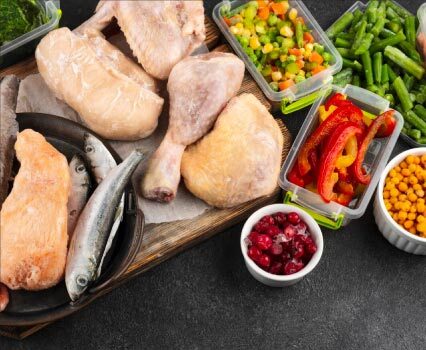
The image of frozen food as a simple backup plan for dinner is rapidly thawing. Today, the freezer aisle is a hub of innovation, quality, and convenience, driving the Australia-New Zealand (ANZ) frozen food market to impressive new heights. According to a comprehensive report by Mark & Spark Solutions, the frozen food sector is not only growing; it is undergoing a rapid transformation, primarily driven by shifts in consumer lifestyles and technological advancements. Let’s explore the dynamics shaping this exciting market.
Market Overview and Growth Trajectory
The ANZ frozen food market is on a solid and promising growth path. The industry has demonstrated significant financial strength, with a valuation of USD 8,308 million in 2024. This robust foundation is poised to serve as the Launchpad for even greater expansion. Projections indicate that the market is expected to surge to a remarkable USD 11,035 million by the year 2030. This projected growth of the frozen food industry, reaching USD 11,035, indicates a compound annual growth rate (CAGR) of 4.7% from 2025 to 2030. This steady CAGR underscores a consistent and reliable upward trend, reflecting sustained consumer demand and the market's ability to adapt and innovate over the coming years. Frozen food has secured a permanent and expanding place in the ANZ food landscape.
Drivers Fueling the Market Expansion
Several key factors are driving this market expansion. The primary driver is the undeniable demand for convenience. In our fast-paced world, where time is a precious commodity, frozen foods offer quick, easy-to-prepare meal solutions without compromising on variety or taste. Busy professionals, families, and students are increasingly relying on the freezer aisle for efficient meal planning.
Alongside convenience, a significant shift in consumer perception is underway. Frozen food is no longer seen as a low-quality alternative. Advances in freezing technologies, such as Individual Quick Freezing (IQF), help preserve the nutritional value, texture, and flavor of food, often making it comparable to, or even better than, fresh produce that has spent days in transit. This shift in consumer perception has led to a greater appreciation for the quality and health benefits that modern frozen products can offer.
Diverse Product Segments and Industry Applications
The ANZ frozen food market is remarkably diverse, catering to a wide array of tastes and dietary needs. The segment encompasses a wide range of products, from traditional favorites such as frozen vegetables, fruits, and seafood to more sophisticated ready-to-eat meals, gourmet pizzas, and plant-based protein alternatives. This diversity is a key strength, allowing the market to appeal to virtually every consumer demographic.
The industry applications extend far beyond the retail supermarket shelves. The foodservice sector, which comprises restaurants, cafes, hotels, and catering companies, represents a substantial consumer base for frozen food products. For these businesses, frozen ingredients provide consistency, reduce food waste, lower costs, and ensure year-round availability of key menu items, regardless of seasonal changes.
Consumer Insights and Challenges
Consumers are now actively seeking out frozen products that align with a health-conscious lifestyle, leading to increased demand for organic, low-sodium, and clean-label options. There is also a growing interest in international cuisines and authentic ethnic frozen meals, allowing consumers to explore global flavors from the comfort of their homes.
Despite the positive momentum, the frozen food market faces its own challenges. A lingering stigma from older, lower-quality products persists among some consumer groups. Overcoming this requires continuous awareness of the advancements in freezing technology. Furthermore, the market faces intense competition from fresh and chilled food alternatives, and brands must continually prove their value proposition in terms of quality, nutrition, and taste to win over skeptical shoppers.
Future Outlook and Opportunities
The future of the ANZ frozen food market is promising and full of opportunities—the trajectory points towards continued innovation, particularly in the development of health-focused and premium products. In the future, we can expect to see more offerings tailored to specific dietary plans, such as keto, vegan, and gluten-free, as well as meals developed by renowned chefs to elevate the gourmet frozen experience.
Sustainability will also be a major differentiator. Opportunities abound for companies that invest in eco-friendly packaging and transparent, ethical sourcing practices. As e-commerce continues to grow, optimizing the online frozen food supply chain and ensuring flawless last-mile delivery will be crucial for capturing the next wave of growth and meeting the modern consumer where they shop.