U.S. Firefighting Clothing Market: Innovation, Safety & Growth to 2032
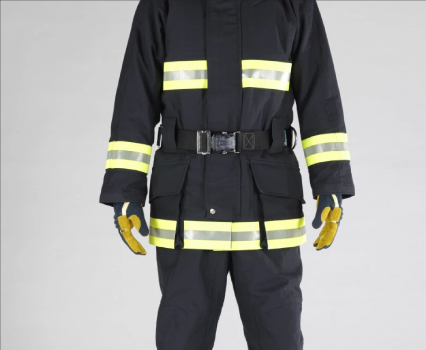
The U.S. firefighting clothing market is experiencing unprecedented growth, driven by technological advancements and increasing safety standards. This critical safety market was valued at USD 13,291 million in 2024 and is projected to surge to USD 41,071 million by 2032. This represents a remarkable compound annual growth rate (CAGR) of 15.6% during the forecast period of 2026-2032, highlighting the sector's vital evolution in protecting first responders.
Market Overview and Growth Trajectory
Turnout gear, also known as firefighting apparel, has evolved from simple protective garments to advanced personal protection equipment (PPE) systems designed to withstand harsh environments. A fundamental change in safety priorities and technological capabilities is indicated by the market's remarkable growth trajectory, which has seen it rise from USD 13.29 billion to a projected USD 41.07 billion in just eight years. This growth is a result of both increasing demand and the development of cutting-edge materials that provide firefighters dealing with more complex emergencies with enhanced protection, comfort, and durability.
Drivers Fueling the Market Expansion
Several key factors are accelerating the firefighting clothing market's expansion:
1. Turnout gear, also known as firefighting clothing, has evolved from basic protective clothing to sophisticated personal protective equipment (PPE) systems designed to withstand demanding conditions. The market's impressive growth trajectory, which has seen it rise from USD 13.29 billion to a projected USD 41.07 billion in just eight years, indicates a fundamental shift in safety priorities and technological capabilities. The increasing demand for innovative materials that provide firefighters with enhanced safety, comfort, and durability in increasingly complex emergencies is the primary driver of this growth.
2. Increasing Fire Incident Frequency and Intensity: Across the United States, climate change has led to more extreme weather events and harsher wildfire seasons. Climate change has led to an increase in “Fast Fires,” which are fast-growing fires that spread rapidly, and recent years have seen fast fires as the main reason for 90% of fire-related damages in the US. There is a pressing need for cutting-edge protective apparel that can withstand a variety of harsh conditions, given the increasing frequency of wildfires, structural fires, and industrial accidents.
3. Advancements in Material Science Technology: Innovations in heat-resistant, breathable, and lightweight materials are transforming firefighting equipment. Longer operating times and enhanced protection are made possible by the invention of advanced fabrics with improved moisture-wicking properties, thermal insulation, and durability. This encourages divisions to invest in future-proof equipment.
4. Growing Federal Funding and Municipal Budgets: The acquisition of cutting-edge protective equipment is being facilitated by increased funding for public safety expenditures and federal support for fire departments. Even smaller departments will have access to top-notch, cutting-edge firefighting gear thanks to this funding.
Diverse Service Segments and Industry Applications
The U.S. firefighting clothing market serves multiple specialized segments:
By Product Type: The market comprises wildland firefighting clothing designed for mobility during prolonged operations, Turnout Gear for structural firefighting, Entry Suits for extreme temperature conditions, and Proximity Suits for aircraft firefighting.
By Material: The advanced materials segment includes polyacrylonitrile (PAN) fibers, Aramid Fibers (Nomex, Kevlar), Polybenzimidazole (PBI) for extreme heat resistance, and novel composite materials that combine several protective qualities.
By End-User: Important segments include Airport Firefighting Crews, Industrial Fire Services (such as oil and gas and manufacturing), Municipal Fire Departments, and Wildland Rescue Agencies, all of which require specific protective solutions.
Consumer Insights and Challenges
Equipment that strikes a balance between maximum protection, comfort, and mobility is becoming increasingly important to firefighters. Contemporary firefighters require apparel that enhances mobility, reduces heat stress, and incorporates ergonomic features for extended wear during operations. Smart technology integration, including physiological monitoring sensors and integrated communication systems, is playing an increasingly significant role in consumer decisions.
The market, however, faces several difficulties. Many departments, especially those in rural areas, face financial constraints due to the high cost of advanced firefighting apparel. The requirement for specialized training on the correct upkeep and use of sophisticated equipment also presents operational challenges. For both manufacturers and end users, striking a balance between integrating new technologies and preserving the dependability and durability of equipment is a constant concern.
Future Outlook and Opportunities
The firefighting clothing market presents significant opportunities for innovation and growth:
Integration of Smart Clothing: The next step in enhancing firefighter safety is the development of equipment equipped with built-in sensors for detecting environmental hazards, GPS tracking, and monitoring vital signs.
Advanced Material Development: The next generation of protective apparel will be driven by research into novel nanomaterials, materials with temperature-responsive properties for temperature control, and self-extinguishing textiles.
Personalization and Expertise: The growing need for specialized equipment in various fire situations, such as chemical spills, wildland fires, and structural fires, creates opportunities for focused product development.
Sustainability Initiatives: Recyclable materials and environmentally friendly production techniques are becoming significant market differentiators.