Europe Probiotics Market: From Gut Health Awareness to a €45 Billion Wellness Economy
A fast-growing market anchored by double-digit CAGR
The European Probiotics market is expanding rapidly, growing at a 13.2% CAGR between 2025 and 2030, with market value projected to rise from USD 24.2 billion in 2025 to USD 45.0 billion by 2030. This acceleration reflects a structural shift in how European consumers approach health, moving from reactive treatment toward preventive, nutrition-led wellness. Probiotics, once a niche within functional foods, have now become mainstream across food, supplements, and animal nutrition.
Why probiotics are becoming part of everyday European diets
Digestive health has emerged as a core pillar of consumer wellness in Europe. Growing scientific and media attention on the gut microbiome has reinforced the perception that intestinal health directly influences immunity, metabolism, and overall vitality. As a result, probiotics are no longer seen as niche products but as daily dietary components.
European consumers are increasingly incorporating probiotics into their diets through familiar formats such as yogurts, fermented milk drinks, and fortified beverages. This behavior is reinforced by Europe’s long-standing cultural acceptance of fermented foods, making probiotic adoption more intuitive than in other regions. Alongside food-based intake, supplements are gaining traction among consumers seeking targeted, measurable health outcomes.
Functional foods and beverages lead demand
Functional foods and beverages account for 44.4% of total probiotic consumption, making them the largest product category in Europe's Probiotics market. This dominance is driven by convenience, taste, and ease of daily intake. Products such as probiotic yogurts, drinking yogurts, kefir, and fermented dairy beverages continue to see consistent demand across Western and Northern Europe.
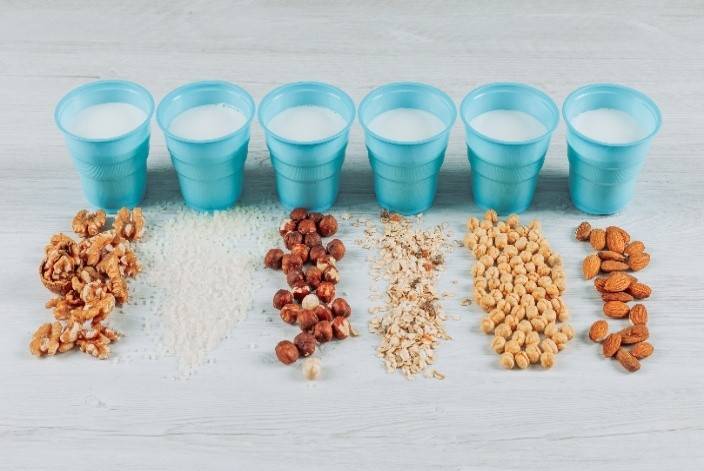
Manufacturers are expanding beyond traditional dairy with plant-based probiotic drinks that address lactose intolerance, vegan preferences, and clean-label demand. These innovations are broadening the consumer base and helping probiotics reach younger demographics and flexitarian households.
Dietary supplements move from niche to necessity
Dietary supplements are the second major growth engine. Capsules, powders, chewables, and gummies are increasingly preferred by consumers seeking controlled dosing and specific health claims related to digestion, immunity, or women’s health. Supplements are particularly popular in urban markets, where preventive healthcare adoption is higher, and consumers are more willing to pay a premium for functional nutrition.
This segment also benefits from personalization trends, as brands develop probiotic combinations tailored to age groups, lifestyle needs, and digestive sensitivities.
Animal feed probiotics support sustainable agriculture.
Beyond human consumption, probiotics are increasingly integral to animal feed formulations. European livestock producers are using probiotics to improve gut health, enhance feed efficiency, and reduce reliance on antibiotics. This aligns closely with EU sustainability goals and stricter regulations on antibiotic use in animal farming, making feed probiotics a structurally important segment for long-term market stability.
Regulation: a trust builder and a growth constraint
Europe’s regulatory environment plays a dual role. On one hand, strict oversight by the European Food Safety Authority (EFSA) enhances consumer trust by ensuring safety, quality, and scientific validation. On the other hand, slow and inconsistent interpretation of health-claim guidelines across member states creates uncertainty for manufacturers.
The lack of harmonized claim approvals raises compliance costs, delays product launches, and complicates pan-European brand strategies. This regulatory ambiguity affects investment timelines and can constrain innovation, particularly for smaller or emerging brands.
Product forms and channels evolve with consumer behavior
Powders, tablets, softgels, liquids, and gummies enable brands to meet diverse consumption preferences. Although supermarkets and hypermarkets remain dominant distribution channels, online retail and pharmacy-led sales are growing rapidly, supported by digital health awareness, subscription models, and direct-to-consumer strategies.
Hospitals and clinics also play an increasingly important role, particularly in prescribing probiotic supplements as adjuncts to digestive or antibiotic treatments.
Regional momentum across Europe
Germany, France, Italy, and the UK collectively anchor market demand, supported by strong dairy industries and high functional food penetration. Northern Europe shows particularly high consumption of probiotic dairy, while Southern Europe is seeing faster growth in supplement use. Eastern Europe is emerging as a growth frontier, driven by rising incomes, urbanization, and growing health awareness.
Competitive landscape shaped by science and scale
The European Probiotics market is led by scientifically driven, vertically integrated players such as Danone SA, Nestlé SA, Yakult Honsha Co Ltd, Chr. Hansen, and BioGaia AB. Competition increasingly centers on strain efficacy, clinical validation, formulation stability, and regulatory navigation rather than price alone.
Outlook: probiotics as a core wellness category
The European Probiotics market is transitioning from a functional add-on to a foundational wellness category. With rising gut-health literacy, expanding applications, and sustained innovation across food and supplement formats, probiotics are poised to remain among the fastest-growing segments within Europe’s broader nutrition and health ecosystem through 2030.