Global Alcoholates Market: Renewable Fuel Expansion Meets Process Efficiency Demands
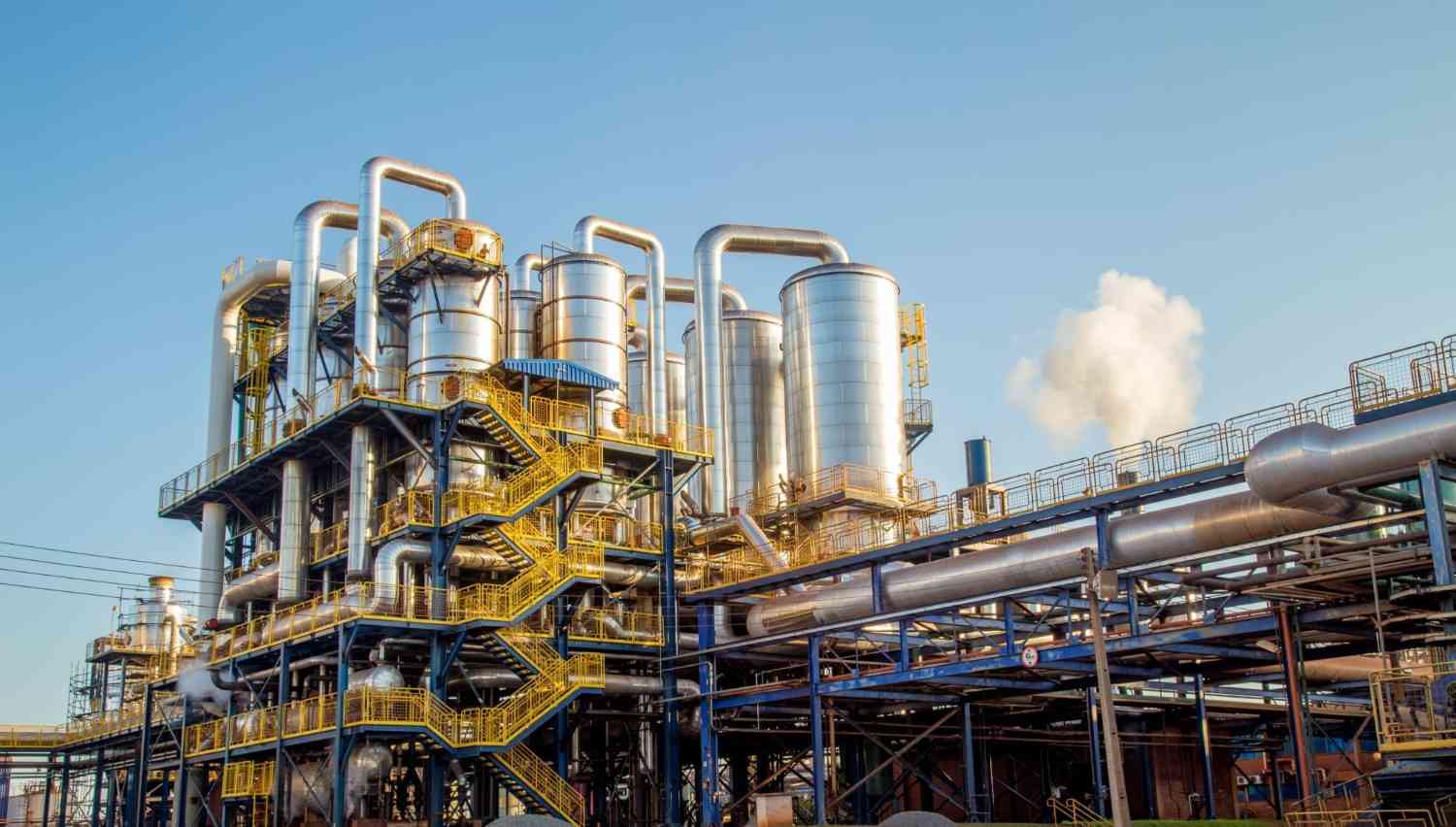
The Global Alcoholates Market produced 1.80 million tons in 2024 and is projected to reach 2.78 million tons by 2030, expanding steadily as industrial demand broadens. In value terms, the market was valued at USD 2,529 million in 2023 and is estimated to reach USD 4,229 million by 2030, growing at a CAGR of 5.9% over the forecast period (2025–2030). This growth reflects the market’s deep integration with biodiesel production, pharmaceuticals, and advanced chemical synthesis, even as pricing cycles and capacity expansions shape competitive dynamics.
Biodiesel Growth Anchors Long-Term Demand
Biodiesel production remains the single most important demand driver for the alcoholates market. Sodium and potassium alcoholates are the preferred catalysts for transesterification due to their high reaction efficiency and clean conversion profiles. Global biodiesel output has already surpassed 50 million tons, directly translating into consistent catalyst consumption, as each ton of biodiesel requires a defined quantity of alkoxide catalyst.
In the United States, biodiesel production has surpassed six billion liters annually, and several European countries produce more than two million tons per year. The Asia-Pacific region is the fastest-growing, with Indonesia and Malaysia reporting double-digit annual growth, supported by government blending mandates. As producers increasingly shift toward second-generation biodiesel from non-edible feedstocks, demand for high-purity, performance-consistent alcoholates continues to rise.
Pricing Cycles Reflect Capacity Expansion and Feedstock Volatility
Alcohol pricing over the past decade has followed a cyclical pattern shaped by raw material availability, energy costs, and additions to production capacity. Prices rose from USD 1,500 in 2020 to USD 1,800 in 2021, reflecting supply constraints and strong industrial demand. Prices then corrected to USD 1,620 in 2023 and USD 1,600 in 2024, as logistics normalized and new capacity came online.
A rebound to USD 1,750 in 2025 reflects renewed demand from biodiesel refining, pharmaceuticals, and polymer manufacturing. However, prices softened again to USD 1,390 by 2027, signaling a temporary oversupply. From 2028 onward, prices recover gradually, reaching USD 1,550 by 2030, as demand realigns with long-term renewable fuel targets and chemical-sector growth. Overall, the pricing trend indicates market resilience with moderate volatility rather than structural instability.
Application Diversification Strengthens Market Stability
Although biodiesel remains the dominant application, alcoholates are increasingly used in chemical synthesis, pharmaceutical intermediates, polymer and resin manufacturing, and agrochemical production. Pharmaceutical and specialty chemical producers are placing greater emphasis on high-purity alcoholates, driven by tighter regulatory standards and more complex synthesis pathways.
In polymer and resin manufacturing, alcoholates enable controlled reactions and uniform molecular properties, supporting demand from the electronics, coatings, and engineered materials sectors. The adoption of continuous processing in biodiesel and chemicals further increases alcoholate consumption, as predictable catalyst behavior directly improves yield and plant economics.
Regional Expansion Reinforces Global Growth
Asia-Pacific continues to lead global volume growth, supported by expanding biodiesel capacity and integrated chemical manufacturing hubs. Europe maintains strong demand from the pharmaceutical sector and renewable fuel mandates, while North America benefits from stable biodiesel blending programs and advanced chemical processing.
Latin America is emerging as a growth market, particularly in Brazil and Argentina, where biodiesel production, driven by agribusiness, is expanding. The Middle East and Africa remain smaller markets but are seeing gradual adoption as downstream chemical diversification accelerates.
Capacity Investments and Competitive Positioning
Leading producers, including BASF, Evonik, Suparna Chemicals, Ascensus Specialties, and Sumitomo Chemical, are investing in capacity expansion, integrated supply models, and high-purity formulations. A notable example is BASF’s mid-double-digit-million-euro investment in a new alcoholates plant in Ludwigshafen, Germany, designed to produce sodium and potassium methylates. The facility, scheduled to begin operations in 2027, will support biodiesel, pharmaceutical, and agrochemical demand and replace older production infrastructure.