The Global Vacuum Cleaner Market: Rising Demand, Smart Innovation, and Growth Opportunities
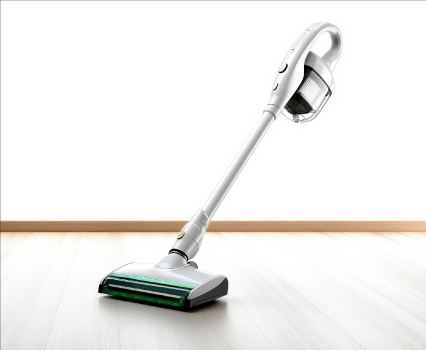
In today’s fast-paced world, cleanliness, convenience, and connected homes are becoming central to modern living. The global vacuum cleaner market has been growing with this trend, and the industry is showing impressive levels of innovation and growth. According to Mark & Spark Solutions’ latest research, the market was valued at US$18,963?million in 2024 and is projected to reach US$31,659?million by 2030, growing at a 9.07?percent CAGR from 2025 to 2030.
The Forces Driving Market Growth
Several key reasons why the demand for global vacuum cleaners is booming:
• Rise in Living Standards and Urbanization: As more people migrate to cities for work, a busier lifestyle and smaller living spaces increase demand for an efficient, convenient cleaning solution.
• Hygiene awareness and Health consciousness: Now, indoor air quality is also becoming a top priority. Consumers are now increasingly choosing vacuums with advanced filtration systems or HEPA filters, which not only clean but also remove dust and allergens.
• Smart Cleaning: Robotic and cordless vacuums and devices that offer mobile connectivity, such as app-based control and scheduling, have gained popularity.
• Commercial Demand: Hospitals and offices are now adopting vacuum cleaners to meet stricter hygiene standards and improve overall operational efficiency.
• Energy-efficient designs: Manufacturers are now creating low-energy-consuming, low-power, and multifunctional models that are more power-saving.
Global Manufacturing Landscape
By leveraging a strong manufacturing infrastructure and low costs, China leads the vacuum manufacturing market, producing 200 million units annually. Germany comes second, producing 50 million units annually and emphasizing high-performance, energy-efficient models. South Korea, the USA, and Japan account for 40 million, 35 million, and 30 million units, respectively, and these countries focus on innovation, premium design, and smart connectivity. The UK produced 8 million units, and countries like Vietnam, Poland, Turkey, and Malaysia are growing as brands diversify suppliers.

Regional Market Insights
North America remains a significant market, which is projected to grow from US$8,617?million in 2014 to US$14,229?million by 2030. This growth is driven mainly by premium and smart robotic vacuums. Asia-Pacific is the other fastest-growing region, driven by rising incomes, urbanization, and the adoption of automated cleaning devices.
Challenges to Market Growth
While the market outlook presents a promising future, there are a few challenges:
• High entry cost: High-tech and advanced robotics vacuums remain expensive in emerging markets
• Maintenance requirements: These devices require regular filter replacements and battery maintenance.
• Less demand in low-income regions: Vacuums are still considered non-essential and overpriced in certain areas.
Implications for Shareholders
| Manufacturers | Focus on smart vacuums, which are energy-efficient and HEPA-equipped models, while also exploring emerging markets. |
| Retailers and Distributors | Should expand on selling on online platforms and also maintain their physical presence in the market |
| Investors | Can leverage growth opportunities that are present in the Asia-Pacific and premium smart vacuum segments |
| Consumers | Can benefit from more brilliant, faster, and more convenient devices that help keep their homes clean |
Final Thoughts
The growth in the vacuum cleaner market shows how basic household appliances can evolve into an industry that is advanced in technology, health-focused, and driven for growth. With the rise in urbanization, automation, and hygiene awareness, this market presents significant growth opportunities for manufacturers, investors, and retailers. For stakeholders willing to adapt and grow, the vacuum cleaner market offers considerable growth potential that can be profitable.
No FAQs available at the moment.