Acne Treatment Market Growth: What’s Fueling Demand Worldwide?
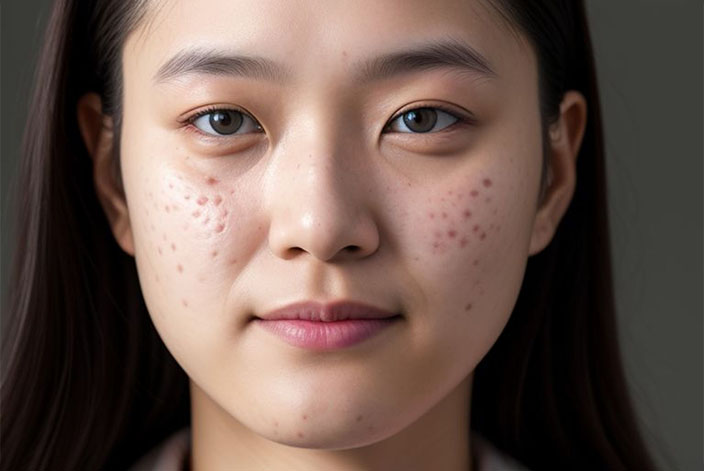
The Global Acne Treatment Market was valued at USD 11,144 million in 2024 and is expected to reach USD 15,105 million by 2030, growing at a CAGR of 5.2% between 2026 and 2030. Behind these numbers lies a clear shift: acne is no longer seen as a temporary teenage concern, but as a long-term skin condition requiring consistent, effective care.
Acne Is Becoming a Global Skin Health Priority
Acne affects millions of people worldwide, including adolescents, working adults, and older adults. Lifestyle changes, stress, hormonal imbalances, pollution, and dietary habits have significantly increased both the prevalence and persistence of acne. As a result, consumers are actively seeking solutions that go beyond short-term fixes and offer sustained skin improvement.
This growing demand has expanded the scope of the acne treatment market, encompassing prescription medications, advanced clinical therapies, cosmetic skincare products, and digital treatment platforms.
Skincare Awareness Is Driving Early Action
One of the strongest forces shaping the acne treatment market is the rapid rise in skincare awareness. Social media platforms, dermatologists, and digital influencers have brought acne discussions into the mainstream, breaking stigma and encouraging proactive treatment.
Consumers today are more informed about acne types, treatment pathways, and the long-term impact of untreated skin conditions. This shift toward early intervention has increased demand for both over-the-counter products and professional dermatological care, strengthening market momentum.
Why Therapies Are Taking the Lead
Among all product categories, therapies dominate the acne treatment market. Laser and light-based treatments, chemical peels, and microdermabrasion are gaining traction due to their ability to deliver faster, visible results with minimal downtime.
These procedures directly target acne-causing bacteria, excess oil production, inflammation, and scarring factors that topical products often struggle to address alone. Continuous innovation in energy-based devices and customized treatment protocols is further boosting adoption across dermatology clinics and aesthetic centers.
Medications and Cosmetics Still Matter
Despite the rise of clinical therapies, medications remain a cornerstone of acne management. Topical agents, oral antibiotics, hormonal treatments, and isotretinoin continue to be widely prescribed, particularly for moderate to severe acne. Their affordability and proven effectiveness keep them relevant, even as concerns around side effects and antibiotic resistance persist.
At the same time, cosmetic acne products are gaining popularity for daily care and prevention. Cleansers, serums, gels, and moisturizers formulated for acne-prone skin are increasingly preferred by consumers seeking convenient, nonprescription solutions. Demand for natural, non-comedogenic, and skin-friendly formulations is accelerating growth in this segment.
Regional Hotspots Shaping Market Growth
North America leads the Global Acne Treatment Market, supported by strong healthcare infrastructure, high skincare awareness, and significant consumer spending on dermatology and aesthetic treatments. Easy access to advanced procedures and continuous innovation by leading pharmaceutical and skincare companies reinforces the region’s dominance.
Meanwhile, the Asia-Pacific is emerging as the fastest-growing market. A large population base, rising disposable incomes, increasing awareness of dermatology, and the rapid expansion of e-commerce and online pharmacies are transforming access to acne treatments across the region.
Challenges That Could Slow Momentum
Despite strong growth prospects, the market faces challenges. Advanced therapies remain costly and are often not covered by insurance, limiting accessibility in emerging economies. Side effects associated with certain medications also deter long-term use. In addition, growing consumer interest in herbal and natural skincare products is intensifying competition for traditional acne treatment solutions.
What the Future Holds
The Acne Treatment Market is projected to expand steadily, driven by technological innovation, digital distribution channels, and growing demand for personalized and affordable solutions. Companies that combine clinical efficacy with safety, accessibility, and consumer trust will be best positioned to succeed in this evolving global market.