Electrolytic Manganese Metal Market: Shaping the Future of Steel and Battery Industries
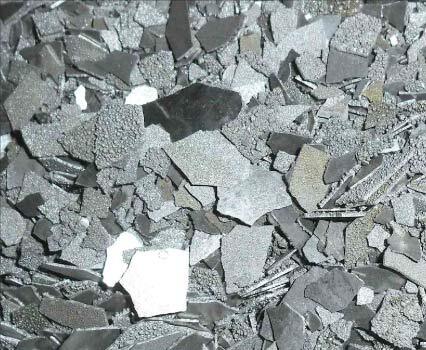
The Electrolytic Manganese Metal (EMM) market is a critical player in the global industrial ecosystem, driving advancements in steel manufacturing, aluminum alloys, and the cutting-edge battery sector. With a market valuation of USD 2,177 million in 2024, it is forecasted to grow steadily to USD 2,788 million by 2030, reflecting a compound annual growth rate (CAGR) of 4.5% from 2025 to 2030. This growth underscores EMM’s increasing strategic importance across various industries that are essential for modern infrastructure and sustainable technologies.
Market Overview: The Power behind High-Purity Manganese Metal
EMM is produced through an electrolytic process that guarantees extremely high purity and consistent quality. These qualities make it indispensable, especially in the steel and battery industries. It enhances hardness, strength, and corrosion resistance in stainless and specialty steels, making it vital in construction, automotive, and heavy machinery sectors. At the same time, EMM’s excellent electrochemical properties have made it essential for the rapidly growing battery market, including lithium-ion and alkaline batteries used in electric vehicles (EVs) and renewable energy storage.
Driving Forces: Why EMM Demand is surging
The global demand is closely tied to expanding urbanization, extensive infrastructure projects, and transformations within the automotive industry aimed at creating lighter, more durable vehicles. The rise of EVs has notably shifted battery material requirements, with manganese-based cathodes becoming increasingly crucial for energy storage that meets high-performance standards.
Asia-Pacific plays a dominant role in driving demand. Key countries, such as China, India, South Korea, and Japan, are leaders in both producing and consuming high-purity manganese metal. Asia-Pacific accounted for nearly half of the global market share due to its strong industrial base and rich manganese reserves. The market size of the Asia Pacific was valued at USD 1,060 million in 2024 and is expected to reach USD 1,388 million by 2030, with a CAGR of 4.9% during the forecast period. Moreover, the fast industrialization in emerging markets further reinforces the region’s leadership.
Market Dynamics: Balancing Opportunities and Challenges
Despite its promising outlook, the EMM market faces several challenges, including fluctuations in raw material prices, high energy consumption during production, and increasingly stringent environmental regulations. Supply chains are concentrated geographically, with South Africa, Australia, and China dominating the production and refining of ores. This raises concerns about possible supply disruptions owing to geopolitical tensions or changes in trade policies.
To address these challenges, the industry is adopting innovative solutions and promoting sustainable mining and refining practices. Investments in green technologies and clean energy initiatives create fresh opportunities, especially in electric vehicle batteries and renewable energy storage, where demand for battery-grade manganese continues to climb.
Product Segmentation: Flake vs. Powder Form
Among its forms, flake EMM accounts for over 87% of global consumption. Its wide use in stainless steel and specialty alloys stems from its stability, high purity, and ease of incorporation into metal mixtures. Compared to powder form, flakes are more cost-effective, safer, and easier to handle, making them preferable for large-scale industrial use.
This preference extends to battery manufacturing, where product consistency and high purity are essential for high-performance cathode materials. With the rise in electric vehicle production and advancements in energy storage technologies, demand for flake EMM is expected to grow even further.
Regional Landscape: Asia-Pacific Leads the Charge
The Asia-Pacific region is the clear leader in both EMM production and consumption. Valued at USD 1,060 million in 2024, the regional market is expected to reach USD 1,388 million by 2030, growing at a CAGR of 4.9%. China’s prominence as the world's largest producer and consumer significantly influences global market trends.
Other key contributors include India, South Korea, Japan, and Southeast Asian nations, all driven by robust steel industries and increasing demand for lithium-ion batteries. Meanwhile, North America and Europe are gaining significance due to their focus on green technologies and expanding EV markets.
Future Outlook: Strategic Importance of EMM
As the world moves toward sustainable industrial and energy solutions, the EMM market is poised for continued growth. Its dual role in traditional steelmaking and modern battery applications provides a balanced and resilient foundation.
Emerging technologies such as next-generation batteries and lightweight alloys highlight the expanding importance of EMM. Investments aimed at refining capacity and supply diversification will help address potential bottlenecks, supporting stable and sustainable growth.
In conclusion, the Electrolytic Manganese Metal Market is integral not only to current industrial demands but also fundamental in driving a sustainable future. Manufacturers, investors, and policymakers must pay close attention to EMM’s evolving role to capitalize on the promising opportunities ahead.