North America holds a significant share in the global acne treatment market due to high treatment uptake.
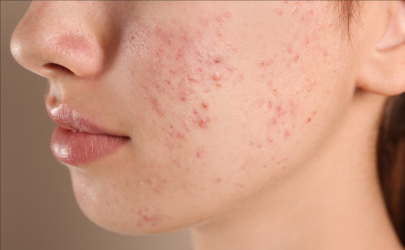
"North America leads the Global Acne Treatment Market for several reasons. First, it has a well-established healthcare system, a high level of awareness about skin conditions, and easy access to advanced treatments. Many people, especially teens and young adults, suffer from acne, which creates a steady demand for various medications, therapies, and skincare products."
The North America Acne Treatment market was valued at USD 4,959 Million in 2024 and is projected to reach USD 6,994 Million by 2030, with a compound annual growth rate (CAGR) of 5.20% from 2025 to 2030.
Due to their comparatively high discretionary income, residents of this area are more likely to take advantage of cutting-edge treatments like laser therapy and chemical peels as well as premium prescription choices like retinoids and antibiotics. North America's market dominance is further reinforced by the existence of significant pharmaceutical and skincare firms, continuous product innovation, and significant R&D expenditures.
Moreover, patients often find favorable reimbursement options for dermatological treatments, and there are more frequent consultations with dermatologists compared to other regions. The robust e-commerce landscape and effective marketing strategies by leading brands also enhance consumer access to over-the-counter acne solutions. All of these factors contribute to making North America the top region for acne treatment globally.
-
Acne affects tens of millions of Americans annually, creating a consistently large demand pool for treatment products and services.
North America, especially the United States, has one of the highest rates of acne prevalence in the world, making it the largest market for acne treatments. Acne affects people of all ages, but it is particularly common among adolescents and young adults. Increasingly, however, acne persists into adulthood due to factors such as hormonal changes, stress, dietary habits, pollution, and the use of cosmetics. This widespread and ongoing issue ensures a continuous demand for both prescription and over-the-counter medications.
Many individuals seek treatment for a variety of acne-related issues, including active breakouts, cystic flare-ups, and long-term scarring. This demand leads to significant use of dermatology services and aesthetic clinics. Acne is widely recognized as a medical condition that can negatively impact self-esteem, mental health, and overall quality of life, prompting individuals to pursue timely and often repeated treatments.
The frequent recurrence of symptoms and the need for long-term therapy result in a large patient population, creating a stable revenue stream for pharmaceutical companies, skincare brands, and dermatology service providers. This solidifies North America’s leading position in the global market for acne treatments.
-
The region’s high dermatologist availability and advanced clinical infrastructure enable faster diagnosis and broader adoption of prescription treatments.
North America enjoys a top-notch healthcare system, especially when it comes to dermatology. There is a solid infrastructure in place, a high availability of specialists, and a general awareness about treatment options. The U.S. stands out with one of the highest ratios of dermatologists to people, which makes it easier for patients to access consultations, specialized care, and effective treatments. This level of accessibility promotes early diagnoses and quicker interventions, helping to prevent severe flare-ups and lasting scars.
Insurance often covers dermatology visits, particularly for essential acne treatments, which encourages more people to seek help from professionals. The rise of telehealth has made things even better, allowing for easier prescription renewals, follow-ups, and initial consultations that are both convenient and cost-effective.
Dermatology clinics are equipped with the latest technologies like lasers, light therapies, and chemical peels, providing a wide variety of treatment options. Moreover, there’s a strong partnership between primary care providers and dermatologists that helps streamline referrals, making it quicker and easier for patients to receive the care they need. This well-rounded healthcare system boosts the use of both medication and procedures for acne, playing a significant role in North America’s leading position in the global acne treatment market.
-
Major pharmaceutical and skincare companies frequently launch new acne drugs, formulations, and devices, keeping the market highly active.
North America is home to many of the world’s leading pharmaceutical, biotechnology, and skincare companies, making it a hub for research and innovation in acne treatment. Major industry players invest significantly in developing advanced topical formulations, combination therapies, retinoid derivatives, oral medications, biologics, and device-based treatment options. Ongoing research and development have led to more effective and better-tolerated products that address issues such as antibiotic resistance, hormonal triggers, and severe inflammatory acne, thereby expanding treatment options beyond traditional methods.
The region's strong regulatory framework, led by the U.S. Food and Drug Administration (FDA), promotes innovation through structured clinical trials, breakthrough designations, and expedited approval pathways for impactful therapies. Additionally, cosmeceutical companies continually launch new over-the-counter (OTC) products featuring improved ingredients like micro-encapsulated benzoyl peroxide, salicylic acid blends, and formulations that support a balanced microbiome.
The active participation of dermatology conferences, professional associations, and clinical research networks fosters the exchange of scientific knowledge and product testing. Aesthetic device companies are also innovating in energy-based treatments for acne and scarring. This ongoing cycle of innovation drives market growth by offering consumers a wider array of choices, enhancing treatment outcomes, and promoting competitive differentiation among manufacturers.
-
Strong awareness of skincare routines and widespread access to OTC and cosmeceutical acne products drive high consumer purchasing.
North America stands out as a leading market for skincare, where consumers are particularly savvy about their choices, especially when it comes to tackling acne and related skin issues. There's a strong awareness around skin health, driven by dermatologists, social media influencers, beauty brands, and digital skincare platforms, which has led to many people embracing effective treatment routines early on.
Thanks to a variety of retail options like drugstores, supermarkets, and specialty beauty shops, as well as popular e-commerce sites like Amazon and Sephora acne products are easily accessible and come in all price ranges. Many consumers have also adopted multi-step skincare routines that incorporate cleansers, exfoliants, serums, spot treatments, and moisturizers specifically aimed at acne-prone skin, which in turn boosts overall product usage.
There's a noticeable trend toward brands backed by dermatologists, clean beauty labels, and products with clinically proven results, which adds to the rising interest among consumers. The influence of social media has also amplified the focus on clear skin, prompting many to take action even against mild acne. With a wealth of online information, product reviews, and tele-dermatology services available, consumers can make well-informed choices about over-the-counter treatments. This keen awareness and engagement have led to a significant increase in the sales of topical therapies, masks, patches, and preventive products, reinforcing North America's strong position in the global acne treatment market.
-
Increasing use of laser therapy, chemical peels, and microneedling boosts spending on both active acne and post-acne scarring treatments.
In North America, the demand for aesthetic procedures aimed at treating active acne and acne scarring has surged significantly. This growth is largely driven by an increasing focus on appearance and a cultural emphasis on achieving clear, flawless skin. Dermatology and aesthetic clinics are now offering a range of advanced, minimally invasive treatments, such as laser therapy, chemical peels, photodynamic therapy, microdermabrasion, microneedling, and radiofrequency-based techniques. These treatments are popular due to their effectiveness and the short recovery times they offer.
These procedures not only address acne but also tackle issues related to pigmentation, texture irregularities, and long-term scarring problems that traditional topical therapies often fail to resolve. Social media and current beauty trends have normalized the idea of cosmetic procedures, prompting younger individuals to seek professional treatments. Increased disposable incomes and available financing options have made these aesthetic services more accessible, while bundled treatment packages create a recurring revenue stream for clinics.
The introduction of new devices and treatment protocols that offer enhanced safety, precision, and results is further fueling market growth. As patients increasingly desire visible and quick improvements beyond drug-based therapies, aesthetic acne procedures are becoming a major revenue driver in the North American market.
Competitive Landscape
Some of the major companies operating within the Acne Treatment market are: GALDERMA, Bausch Health Companies Inc., GlaxoSmithKline Plc., ABBVIE INC., Pfizer Inc., Teva Pharmaceutical Industries Ltd., Botanix Pharmaceuticals, Bayer AG, Johnson & Johnson Services, Inc. and Others.