Saudi Arabia Dairy Market Outlook: Urbanization, Premiumization, and Food Security Reshaping Consumption Patterns
The Saudi Arabian dairy market is entering a phase of steady, structurally driven growth, supported by shifting consumer lifestyles, strong domestic production capabilities, and continued government focus on food security. Valued at USD 5,659 million in 2025, the market is projected to reach USD 7,150 million by 2030, growing at a 4.79% CAGR over the forecast period. Dairy remains a core component of the Kingdom’s food and beverage ecosystem, anchored by high per capita consumption, cultural dietary habits, and a rapidly evolving retail landscape.
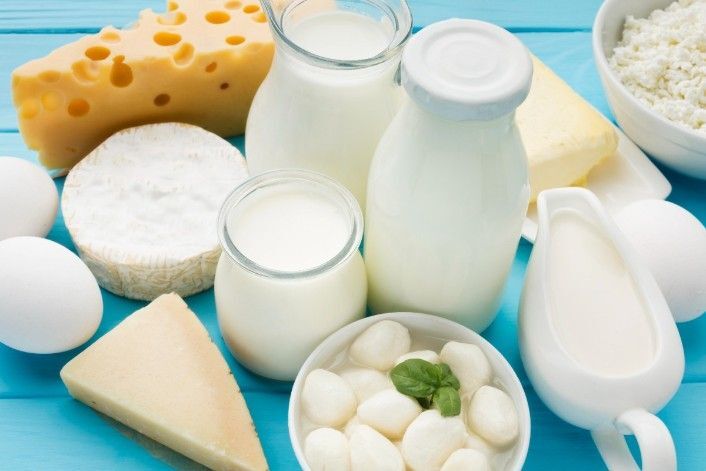
Saudi Arabia’s dairy sector stands out for balancing tradition and modernization. Fluid milk, yogurt, cheese, butter, and dairy-based beverages are daily staples, while value-added products such as flavored milk, probiotic yogurts, fortified dairy drinks, and infant formula are gaining momentum. A large expatriate population further diversifies demand, introducing preferences for international product formats and premium dairy offerings. At the same time, domestic producers continue to strengthen local supply chains, reducing reliance on imports and ensuring consistent availability across regions.
Health awareness has become a key driver of product development in Saudi Arabia's dairy market. Consumers are increasingly focused on nutritional content, prompting manufacturers to expand their portfolios to include low-fat, lactose-free, and vitamin-fortified dairy products. These offerings particularly appeal to urban households, younger consumers, and aging populations seeking functional nutrition. Dairy companies are responding by investing in advanced processing technologies to improve shelf life, product safety, and nutrient retention without compromising taste.
Urbanization and rising disposable incomes are reshaping purchasing behavior across the Kingdom. As lifestyles become more fast-paced, demand is shifting toward packaged, ready-to-consume, and portion-controlled dairy products. UHT milk, drinking yogurt, cheese snacks, and single-serve dairy beverages are increasingly preferred for their convenience. Modern retail infrastructure supports this trend, with supermarkets and hypermarkets accounting for most sales. At the same time, online grocery platforms continue to gain traction among digitally engaged consumers seeking home delivery and subscription-based purchasing models.
From a distribution standpoint, the Saudi dairy market benefits from a well-developed cold chain network, which is critical for maintaining product quality in a high-temperature climate. Supermarkets and hypermarkets remain the primary channels, supported by convenience stores that cater to impulse and daily purchases. Online retail, while still a minor contributor in absolute terms, is expanding rapidly as consumers adopt digital shopping habits. Foodservice channels also play an essential role, particularly in urban centers, hospitality hubs, and pilgrimage-driven demand zones such as Mecca and Medina.
Product segmentation shows fluid milk as the leading category, accounting for 24.1% of the market in 2024. Its dominance reflects its essential role in daily nutrition and broad appeal across all demographic groups. Pasteurized and UHT milk formats are significant, offering both freshness and extended shelf life. While fluid milk remains the volume anchor, yogurt and drinking yogurt are gaining popularity for their digestive health benefits and alignment with wellness trends. Cheese consumption is also rising steadily, supported by Westernized diets, home cooking trends, and foodservice demand.
Packaging formats are evolving alongside consumption trends. Rigid plastic packaging remains dominant for its durability and compatibility with cold-chain logistics, while paper and board packaging are gaining traction as sustainability awareness grows. Flexible packaging and single-serve formats are increasingly used for flavored milk, yogurt, and other dairy beverages, reflecting the market’s shift toward convenience and portion control.
Regionally, dairy demand is concentrated in major urban centers, including Riyadh, Jeddah, Dammam, and Mecca. Riyadh leads consumption due to its large population, high purchasing power, and dense retail network. The western regions benefit from tourism and pilgrimage-related demand, which drives sales of convenient, ready-to-drink dairy products. The eastern provinces show stable growth, supported by industrial activity and a diverse expatriate base. Meanwhile, rural and semi-urban areas are gradually expanding as government initiatives strengthen domestic dairy farming and cold chain infrastructure.
Despite favorable growth fundamentals, the market faces challenges from intense price competition. Leading local players compete directly with international brands and private-label offerings, pressuring margins. Manufacturers must balance affordability with innovation, often relying on operational efficiency, scale advantages, and brand loyalty to remain competitive. Smaller players face higher barriers, as cost optimization and differentiation become increasingly critical in a price-sensitive environment.
Overall, the Saudi Arabian dairy market reflects a mature yet evolving landscape. Growth is being driven by urbanization, health-conscious consumption, retail modernization, and supportive government policies. As producers continue to innovate across product formulations, packaging, and distribution, the market is expected to sustain steady expansion while adapting to the Kingdom’s changing demographics and lifestyle dynamics.