Inside Europe’s Shift to Sustainable Farming: Organic Fertilizers on the Rise
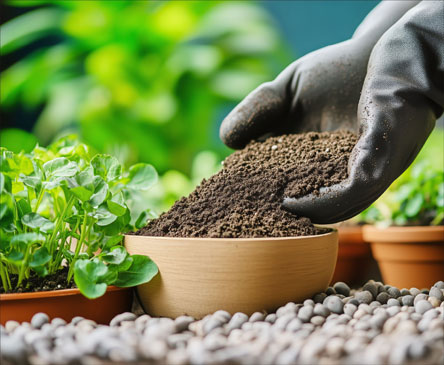
Europe Organic Fertilizers Market is witnessing a notable transformation driven by the convergence of sustainability initiatives, technological advancements, and shifting consumer preferences. In 2024, the market recorded a significant consumption volume of 745,833 tons and is projected to reach approximately 1.34 million tons by 2030. This expansion represents a healthy compound annual growth rate (CAGR) of 10.8%, highlighting promising opportunities within this sector.
The Rise of Organic Fertilizers in Europe
The rapid growth of Europe’s organic fertilizers market is driven by increased environmental awareness and a substantial shift in consumer preference towards chemical-free food products. European governments are aggressively promoting sustainability, particularly through policies such as the EU’s Farm to Fork Strategy, which advocates for farming practices that protect biodiversity and enhance soil health.
Health-conscious consumers increasingly prefer food grown without synthetic pesticides or fertilizers, prompting farmers to transition to organic fertilizers. These organic inputs not only supply essential nutrients but also enhance soil structure and promote beneficial microbial activity, which are crucial for sustainable, long-term crop productivity.
Market Dynamics and Trends Driving Growth
Several key trends are shaping the market landscape. A pronounced shift towards bio-based and renewable fertilizer sources is prominent, supported by advancements in composting technologies and circular economy principles that recycle agricultural waste into nutrient-rich fertilizers.
Precision agriculture is also making an impact, with data-driven tools enabling farmers to optimize fertilizer application, thereby enhancing nutrient efficiency while minimizing environmental impact. Although organic fertilizers generally incur higher production costs compared to synthetic alternatives due to labor-intensive processes and bulkier raw materials, the market is buoyed by strong consumer demand and government subsidies promoting organic farming.
Market Segmentation and Product Variety
The European organic fertilizers market is segmented by type, reflecting diverse agricultural requirements:
Nitrogen-based organic fertilizers: Dominate consumption, accounting for approximately 50.71%, and are prized for their pivotal role in vegetative growth.
Phosphate-based fertilizers: Account for 28.09% of the market, playing a crucial role in the development of roots and flowering.
Potash-based fertilizers: Account for approximately 13.09%, enhancing fruit quality and crop resilience.
Other organic fertilizers: Such as compost and manure, contribute approximately 8.11%, thereby improving soil quality and enhancing moisture retention.
Such segmentation enables targeted nutrient management tailored to the specific needs of crops and soils across Europe's diverse farming environments.
Country-Level Insights
Among European nations, Germany stands out due to its robust policy support, technological advancements, and rising consumer preference for organic products. The country aligns with the European Green Deal’s ambition to reduce synthetic fertilizer dependency, thereby paving the way for significant growth in the organic fertilizer market. Nonetheless, challenges such as raw material sourcing and production costs require innovative solutions and local manufacturing expansion.
Other key markets, including France, the UK, Italy, and Spain, also exhibit favorable growth trajectories, propelled by regulatory frameworks and evolving agricultural practices that foster sustainable production.
Challenges and Future Outlook
Despite optimistic growth prospects, the market faces hurdles such as higher production costs and lower nutrient concentrations relative to synthetic fertilizers, necessitating larger application volumes. This increases transportation and application expenses, potentially slowing adoption rates.
However, ongoing technological innovation, stricter environmental policies, and shifting consumer behaviors are expected to sustain market expansion. The emphasis on circular economy models, which convert food and agricultural waste into fertilizers, further bolsters sustainable growth trajectories.
By 2030, the European organic fertilizers market is poised to cement its role as a cornerstone of sustainable farming, enhancing food safety, ecological health, and agricultural resilience.
Conclusion
The European organic fertilizers market is on a strong upward path marked by a 10.8% CAGR from 2024 to 2030, growing from 745,833 tons to 1.34 million tons in volume. This growth is driven by health-conscious consumers, supportive policies, and innovative farming practices that prioritize environmental sustainability.
This dynamic market evolution reflects a broader shift towards regenerative agriculture, promising lasting benefits for farmers, consumers, and ecosystems alike. Stakeholders engaging with these trends are well-positioned to leverage the expanding opportunities within this flourishing sector.