North America Cold Pressed Juice Market: Scaling Beyond the Wellness Niche
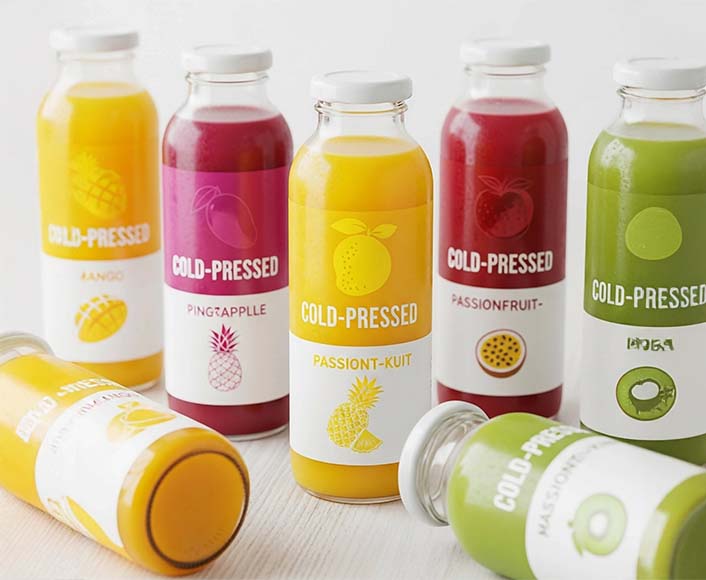
The cold-pressed juice market in North America has evolved from its initial status as a niche wellness product. In 2024, consumption was 127.52 million liters and is projected to reach 284.68 million liters by 2032, with a CAGR of 10.07% from 2026 to 2032. This growth indicates that cold-pressed juice is becoming a firmly established product category in mainstream retail, rather than just a passing health trend.
Retail Expansion as the Core Growth Lever
The main driver of growth has been the deliberate expansion into large-format retail chains. Cold-pressed juices, which were once limited to specialty organic stores, are now well established in the refrigerated beverage sections of major retailers such as Walmart, Costco, and Kroger. In urban grocery stores, cold-pressed options often make up 20–30% of the chilled juice shelf space.
This retail integration has led to two clear results: greater consumer trial and the development of habitual buying patterns. Multi-serve and value-sized packs designed for club stores now account for about 15–20% of retail volume. Consequently, the category's success is increasingly dependent on effective merchandising, cold-chain reliability, and shelf placement strategies rather than on consumer awareness alone.
The 12 fl oz Bottle: The Volume Anchor
The 12 fl oz single-serve bottle remains the dominant product in the market. Annual sales increased from approximately 183 million bottles in 2020 and are projected to reach 802 million units by 2032, more than quadrupling.
This growth occurred in two stages. Between 2020 and 2025, the recovery of pent-up demand and aggressive retail onboarding fueled rapid expansion. Starting in 2026, growth remains robust but slows, consistent with the expected 10.07% CAGR.
The format’s dominance is rooted in its structure. It caters to on-the-go consumption habits, suits gym and commute routines, and stays within a psychologically appealing premium impulse price range. For retailers, the SKU enhances cooler efficiency and maximizes revenue per square foot.
Signs of approaching saturation in core urban markets indicate that future growth will depend on geographic expansion, refined pricing strategies, and the introduction of larger multi-serve formats for home use. Although the 12 fl oz bottle will remain a key product, its share may gradually decline as the product portfolio broadens.
Price Positioning: A Three-Tier Competitive Structure
The market is strategically segmented into Premium, Mid-Tier, and Private Label categories.
Premium brands such as Suja Life and Pressed Juicery drive innovation through the use of organic ingredients, functional additives, and distinctive packaging. These companies sustain higher profit margins and shape industry trends.
The Mid-Tier segment, including Evolution Fresh and Naked Juice, is the primary driver of volume growth. It balances quality with affordability, targeting mainstream grocery shoppers and enabling scalable distribution.
Private Label has become the fastest-growing segment, with retailer-owned products from chains such as Whole Foods Market and Costco expanding access through competitive pricing and trusted brands. Although private-label expansion increases category reach, it also reduces margins for branded manufacturers.
This three-level framework illustrates a mature competitive environment in which innovation, cost-effectiveness, and scale coexist.
Channel Dynamics and Omnichannel Evolution
Traditional retail remains dominant, with supermarkets and hypermarkets accounting for 33.78% of sales and natural health food stores for 20.10%. Together, these channels account for 53.88% of the total market share, underscoring the category's integration into mainstream grocery shopping.
Growth momentum is increasingly shifting toward complementary channels. Mass merchandisers and club stores (12.09%) support volume growth through large-format packaging and appealing to price-sensitive consumers. Direct-to-consumer channels (10.87%) offer higher margins and enable subscription-based loyalty programs. Convenience stores (8.11%) strengthen the product’s position as a reliable on-the-go alternative to carbonated drinks and energy beverages.
E-commerce platforms, juice bars, and foodservice each account for smaller shares but demonstrate diversification across various consumption occasions. Market success now relies more on effective omnichannel strategies than on dominating a single distribution channel.
Mexico: A High-Growth Sub-Region
Mexico is a high-growth frontier within North America. Consumption is projected to increase from 1.95 million liters in 2020 to 8.54 million liters by 2032, with an estimated CAGR of approximately 13%.
Initial adoption was primarily in wealthy urban areas such as Mexico City, Monterrey, and Guadalajara. The upcoming growth is driven by a rising middle class, heightened health consciousness following the pandemic, and expanded distribution through chains such as Walmart de México y Centroamérica and Soriana.
Structural challenges persist: price sensitivity remains high, traditional low-cost beverages retain cultural sway, and cold-chain infrastructure increases operational costs. Sustainable growth will depend on localized product innovation, smaller, trial-focused formats, and ongoing consumer education on the benefits of cold-press technology.
Competitive Landscape and Strategic Outlook
The competitive landscape features large-scale national brands and niche operators. Companies like Bolthouse Farms focus on extensive distribution and high-volume retail coverage. Digital-focused firms such as Daily Harvest utilize subscription models and diverse product offerings. Regional experts like Juice Press compete by emphasizing premium branding and experiential marketing.
The North American cold-pressed juice market has become a well-established beverage segment characterized by retail execution, SKU optimization, and tiered pricing. Future growth is likely to rely less on innovation and more on improving operational efficiency, expanding geographic reach, managing private-label products, and implementing a disciplined omnichannel approach.
No FAQs available at the moment.