The Taste-Health Nexus: Analyzing Market Share and Growth Strategies Across Fruit, Green, and Blended Cold-Pressed Juices in North America
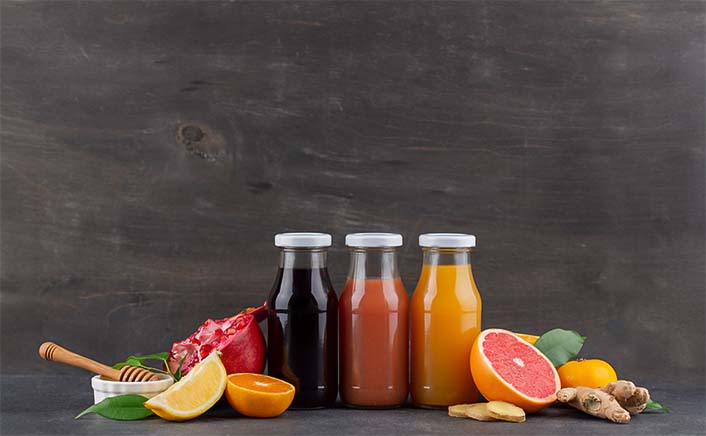
The market share distribution across product types in the North America Cold-pressed Juice Market reflects a complex and evolving consumer landscape, characterized by strategic segmentation of demand focused on accessibility, purity, and functional benefits. The hierarchy is led by Fruit-Based Juices, which account for 33.80% of the market, followed closely by Vegetable-Based & Green Juices at 30.10%. This duality forms a foundational framework where fruit-based varieties serve as the critical entry point and volume driver, attracting first-time buyers with familiar, palatable flavors and ensuring repeat purchases in mainstream retail channels. Their leading position highlights the necessity of accommodating taste preferences for widespread market adoption.
In contrast, the near-equal share held by vegetable and green juices underscores a robust core of health-conscious consumers who prioritize nutritional density and low sugar content. This segment embodies the market's ideological foundation, supporting premium pricing and consumer loyalty through commitments to "clean" ingredient lists and wellness-focused marketing.
Additionally, the Blended Fruit & Vegetable Juices segment, which represents 20.10% of the market, emerges as the most strategically significant category, acting as the primary growth engine and a bridge to mass-market consolidation. This hybrid category effectively dissociates the concept of "healthy" from "challenging taste," offering a product that is both nutrient-dense and appealing to the palate. Its success indicates the market's shift beyond early adopters, appealing to mainstream consumers who desire a balance between health aspirations and flavor enjoyment. The blending trend is vital for driving volume expansion and increasing consumption frequency, positioning it as a key area for innovation among major brands.
Meanwhile, the Functional/Enhanced segment, which captures 10.91% of the market, and the Shots & Tonics segment at 5.09%, though smaller in share, play a crucial role in driving value, innovation, and margin growth. The functional segment serves as a leading area for scientific branding and premiumization, evolving juice from a basic refreshment into a targeted wellness solution. This shift aligns with broader trends in personalized nutrition, fostering high margins and cultivating the most loyal customer bases.
Collectively, this market structure illustrates a transition from a singular "health drink" category to a multi-tiered ecosystem with distinct roles. The volume-driven segments (fruit and blended) ensure scalability and retail relevance, while the purity-driven core (green juices) upholds brand integrity and health credentials. The premium, innovation-oriented apex (functional and shots) facilitates margin growth and protection against competition from adjacent functional beverage categories. The future trajectory is likely to see an ongoing blurring of these distinctions, with functional ingredients increasingly integrated into blended and fruit-based offerings, alongside an amplified focus on sourcing and sustainability as key differentiators within each segment. This analysis affirms that success in the North American cold-pressed juice market necessitates a portfolio approach, adeptly addressing the simultaneous and sometimes conflicting demands for taste, purity, functionality, and convenience across a diverse consumer base.