Automated Guided Vehicles: Driving the Future of Smart Warehousing and Industrial Automation
The Rise of Automation in Material Handling
Industrial operations worldwide are undergoing a major transformation as companies adopt automation to improve efficiency, reduce operational errors, and streamline supply chains. Among the technologies enabling this shift, Automated Guided Vehicles (AGVs) are becoming an essential component of modern warehouses and manufacturing facilities.
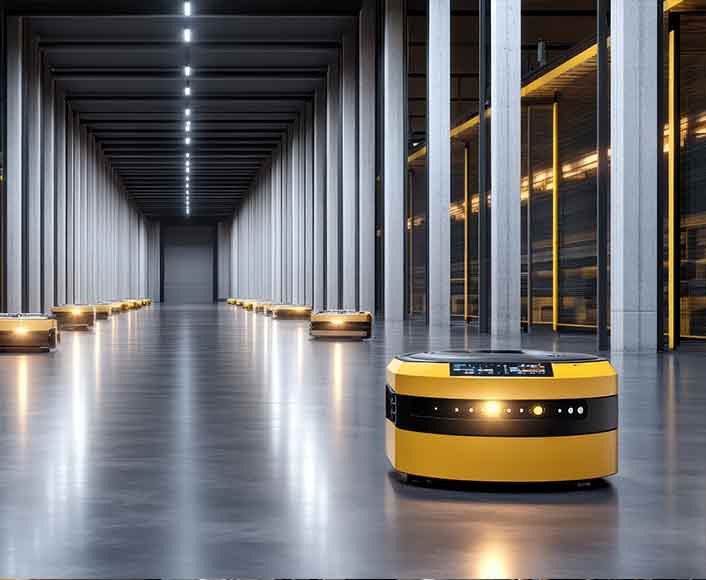
AGVs are autonomous mobile machines designed to transport materials within factories, warehouses, and distribution centers without direct human intervention. Using technologies such as LiDAR sensors, artificial intelligence (AI), machine learning, and Internet of Things (IoT) connectivity, these vehicles can navigate complex environments safely and efficiently.
The growing demand for faster logistics operations, especially in industries such as manufacturing, automotive, electronics, and e-commerce, is accelerating the deployment of AGVs across industrial facilities. As businesses focus on productivity and operational efficiency, automated material handling solutions are becoming a strategic investment.
According to recent market analysis, the Global Automated Guided Vehicle Market was valued at USD 2,550 million in 2024 and is projected to reach USD 4,567 million by 2030, expanding at a CAGR of 10.2% during the forecast period.
Why AGVs Are Becoming Essential for Modern Industries
The growing adoption of AGVs is closely linked to structural changes in global supply chains and manufacturing systems. Companies are increasingly shifting toward smart factories and automated warehouses that rely on advanced technologies to optimize production and logistics operations.
Several key factors are driving this transition:
• Rapid growth of e-commerce: Online retail has significantly increased the need for faster order processing and efficient warehouse management. AGVs help automate inventory transport, order picking, and internal logistics.
• Rising labor costs and workforce shortages: Many industries are struggling to maintain large manual workforces for repetitive tasks. AGVs offer a reliable and scalable alternative.
• Industry 4.0 adoption: Integration of AI, IoT, and real-time data analytics is transforming industrial environments, making AGVs a core component of intelligent logistics systems.
• Improved safety and accuracy: Automated vehicles reduce human error and minimize the risk of accidents in busy industrial environments.
These advantages are encouraging companies to invest in automation solutions that improve operational consistency while lowering long-term labor costs.
Two Vehicles Leading the AGV Segment
Within the AGV market, tow vehicles currently represent the largest segment. These vehicles are designed to pull multiple carts or trailers simultaneously, making them highly effective for transporting heavy loads across large industrial facilities.
Tow vehicles are widely used in warehouses, logistics centers, and manufacturing plants where materials must be moved continuously between different production stages. By transporting several loads in a single trip, they help reduce travel time and improve workflow efficiency.
Another reason for their popularity is their ability to handle repetitive transportation tasks with high precision. This makes them particularly useful in industries such as automotive manufacturing, e-commerce logistics, and large-scale production facilities, where operational reliability is essential.
With advanced navigation systems and built-in safety sensors, modern tow AGVs can operate autonomously and coordinate with other automated systems within the facility.
Asia Pacific Emerging as the Global Leader
From a regional perspective, the Asia Pacific dominates the global AGV market, accounting for the largest share in 2024. Rapid industrialization, strong manufacturing capabilities, and the increasing adoption of automation technologies largely drive the region’s leadership.
Countries such as China, Japan, South Korea, and India are investing heavily in smart manufacturing initiatives and warehouse automation. China, as the world’s largest manufacturing hub, has seen particularly strong demand for AGVs in factories and logistics facilities.
The rapid expansion of e-commerce across Asia has also contributed to the deployment of automated fulfillment centers, where AGVs play a key role in handling inventory and managing internal transportation.
In addition, government initiatives supporting Industry 4.0, robotics adoption, and advanced manufacturing technologies are further strengthening the region’s position in the AGV market.
Challenges and the Road Ahead
Despite strong market growth, implementing AGVs is not without challenges. One of the primary barriers is the high upfront investment required to purchase AGV systems and upgrade infrastructure. Companies often need to modify warehouse layouts, integrate software with existing systems, and train employees to manage automated operations.
Integration complexity can also slow adoption, particularly for small and medium-sized enterprises with limited resources. Additionally, as AGVs become increasingly connected through digital networks, concerns around cybersecurity and system compatibility are emerging.
However, ongoing technological advancements are expected to reduce these barriers gradually. Improvements in robotics, AI-powered navigation, and smart warehouse technologies will make AGVs more flexible, scalable, and easier to integrate.
As industries continue to prioritize efficiency, automation, and supply chain resilience, Automated Guided Vehicles are set to play a critical role in the future of intelligent logistics and manufacturing systems worldwide. Their ability to streamline operations while enhancing productivity makes them one of the most promising technologies shaping the next generation of industrial automation.