The shift to smart factories and automation in Europe increases the need for AGVs to optimize operations.
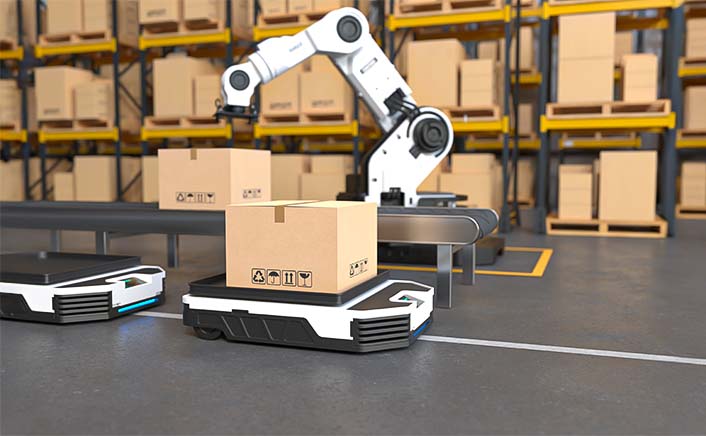
"Europe is experiencing a remarkable growth in the Automated Guided Vehicle (AGV) Market, and there are several reasons for this trend. One of the main factors is the region's robust manufacturing sector, especially in industries like automotive, logistics, and electronics, where companies are turning to AGVs to enhance efficiency and automation."
The Europe Automated Guided Vehicle Market was valued at USD 340.18 Million in 2024 and is projected to reach USD 671.41 Million by 2030, with a compound annual growth rate (CAGR) of 14.70% from 2025 to 2030.
In addition, governments throughout Europe are making significant investments in Industry 4.0 and smart factory technologies, which are further boosting the demand for AGVs. There's also a pressing need for these vehicles driven by labor shortages and a greater focus on safety in warehouses and factories.
Countries like Germany, the UK, and France are at the forefront of adopting AGV technology, thanks to their advanced industrial infrastructures and commitment to innovation. Moreover, Europe's strong focus on sustainability and reducing carbon footprints is pushing the adoption of energy-efficient AGVs even more. All these elements combined position Europe as a key and rapidly expanding player in the global AGV market.
-
The need for AGVs to maximise operations is growing in Europe as a result of the transition to automation and smart factories.
Europe is actively adopting Industry 4.0, which incorporates advanced technologies such as the Internet of Things (IoT), artificial intelligence (AI), and robotics into manufacturing and logistics. Automated Guided Vehicles (AGVs) are a crucial element in this transformation, as they automate material handling, minimize human error, and enhance workflow efficiency. The shift toward Industry 4.0 principles has prompted European industries to implement automation solutions, including AGVs, to remain competitive on a global scale. These vehicles optimize operations in smart factories, warehouses, and distribution centers, making them essential for businesses aiming to embrace cutting-edge technologies. As more industries strive for automation to boost productivity, the demand for AGVs in Europe continues to grow, driving market expansion.
-
AGVs help address labor shortages in manufacturing and logistics by automating material handling tasks.
Europe is facing a significant labor shortage in sectors such as manufacturing, logistics, and warehousing, where the demand for skilled workers often surpasses the available supply. To address this challenge, companies are increasingly turning to Automated Guided Vehicles (AGVs) to automate repetitive tasks, thereby reducing their reliance on human labor. AGVs can operate continuously without the limitations that human workers face, ensuring that production lines and warehouses maintain high efficiency despite staffing shortages. Additionally, AGVs perform tasks with high precision and minimal risk of accidents, making them a reliable solution for mitigating workforce shortages while enhancing operational performance.
-
Europe's focus on reducing carbon emissions drives demand for eco-friendly, energy-efficient AGVs.
Sustainability is a top priority in Europe, as both governments and companies strive to reduce their environmental impact. The region has established ambitious goals to decrease carbon emissions and promote eco-friendly practices across various industries. Automated Guided Vehicles (AGVs), particularly electric-powered models, play a vital role in these sustainability efforts by providing energy-efficient solutions for material handling. They reduce reliance on fossil fuels, lower emissions, and minimize waste, aligning with Europe’s green initiatives. The growing demand for sustainable solutions in European industries is a significant factor driving the increased adoption of AGVs.
-
Innovations in AGV technology improve efficiency, leading to greater adoption across industries.
The ongoing advancements in Automated Guided Vehicle (AGV) technology, such as enhancements in navigation, artificial intelligence, battery life, and connectivity, have made these vehicles more efficient, cost-effective, and versatile. As technology continues to evolve, AGVs are increasingly capable of navigating complex environments, handling a variety of payloads, and seamlessly integrating with other automated systems. European manufacturers and logistics companies are quick to adopt these innovative solutions, recognizing the operational benefits of implementing state-of-the-art AGVs. These advancements not only boost productivity but also reduce operational costs, prompting industries across Europe to adopt AGVs as a vital component of their automation strategies.
-
European governments incentivize automation through funding and initiatives to promote AGV use.
European governments are very supportive of automation initiatives and are actively investing in programs that promote the adoption of advanced technologies, such as Automated Guided Vehicles (AGVs). Various funding schemes, subsidies, and tax incentives are available for companies that want to automate their operations and enhance efficiency. These government-backed programs make it financially feasible for both small and medium-sized enterprises (SMEs) and large corporations to integrate AGVs into their supply chains and production processes. The combination of financial incentives and policies that encourage technological innovation has significantly contributed to the growth of the AGV market in Europe.
Competitive Landscape
Some of the major companies operating within the Automated Guided Vehicle market are: Toyota Advanced Logistics, Daifuku Co., Ltd., KION GROUP AG, Dematic, Hyster-Yale Materials Handling, Inc, JBT Corporation, Mitsubishi Caterpillar Forklift America Inc., Swisslog Holding AG, Seegrid Corporation and Others.