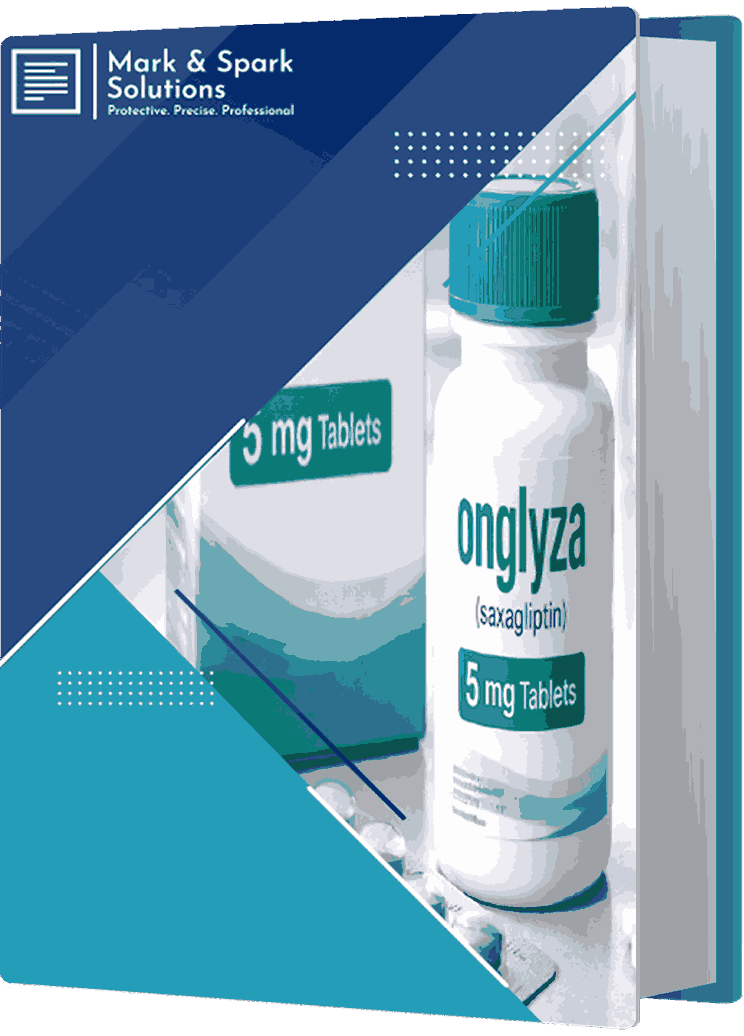
Global Onglyza (Saxagliptin) Market Size: Analysis by Dosage (2.5 mg tablets, 5 mg tablets), By Distribution Channel (Hospital Pharmacies, Retail Pharmacies, and Online Pharmacies): Global and Regional Demand Supply Trends and Forecast: 2027-2030
Market Outlook
The Onglyza (Saxagliptin) Market was valued at USD 0.25 Billion in 2025 and is projected to grow to USD 0.37 Billion by 2033, with a compound annual growth rate (CAGR) of 4.91% from 2027 to 2033. The global market for Onglyza (saxagliptin) centers around the production and distribution of this oral medication, which is used to manage type 2 diabetes. As part of the DPP-4 inhibitor class, Onglyza helps improve glycemic control for those living with the condition. Originally developed by AstraZeneca, Onglyza is sold both as a brand-name drug and in generic versions, making it more accessible to people around the world.

The market for Onglyza has been growing due to the increasing number of individuals diagnosed with type 2 diabetes, a condition often linked to lifestyle changes and an aging population. Many patients prefer oral medications over injections, adding to its appeal. The availability of affordable generic options has also broadened the market's reach, especially in areas where cost is a major concern.
However, the market does face some significant challenges. There have been safety concerns regarding cardiovascular health that were brought to light during clinical trials, which has led to some hesitation among both doctors and patients. Additionally, Onglyza is competing with other DPP-4 inhibitors, as well as newer treatments like SGLT-2 inhibitors and GLP-1 receptor agonists, which have impacted its market presence. The expiration of patents and increased regulatory scrutiny have led to more generic alternatives, affecting the profitability of the original developers.
Despite these challenges, Onglyza continues to play an important role in diabetes care. Its effectiveness in helping to manage blood sugar levels, along with its widespread availability, helps maintain its relevance in the ever-evolving landscape of diabetes treatments.
Key Insights
North America accounted for the largest share of the Onglyza (Saxagliptin) market at 45.80% in 2025. North America truly leads the way when it comes to the Onglyza (saxagliptin) market, and there are several reasons for that. First and foremost, the region faces a high rate of type 2 diabetes, which makes effective treatments all the more essential. The healthcare infrastructure here is advanced, meaning patients have better access to innovative treatments and a good understanding of their options.
Major players in the pharmaceutical industry, like AstraZeneca, are actively involved in this competitive landscape, continually driving forward new solutions and improving accessibility. Additionally, the rising rates of obesity one of the significant risk factors for diabetes are increasing the need for effective therapies like Onglyza even further. All these elements, along with ongoing research and development, help to reinforce North America’s strong position in the global market for diabetes treatments.
In terms of Dosage, the 2.5 mg tablets accounted for a major share of 65.4% in 2025. The 2.5 mg tablet of Onglyza (Saxagliptin) is the most popular option in the global market, especially for patients who have moderate to severe renal impairment, where adjusting the dosage is really important. This lower dose is often part of a broader treatment plan that includes healthy eating and regular exercise, all aimed at effectively managing type 2 diabetes.
One of the key benefits of the 2.5 mg dosage is that it reduces the risk of hypoglycemia and other side effects, which helps keep patients safe and encourages them to stick to their treatment. Its proven safety and effectiveness in these specific patient groups play a big role in its popularity among healthcare professionals.
Market Dynamics
Sedentary behaviors and unhealthy diets contribute significantly to obesity and diabetes risk.
Sedentary lifestyles and unhealthy eating habits are major contributors to the growing rates of obesity and the increased risk of developing type 2 diabetes. When we talk about sedentary behavior, we're referring to activities that don’t require much movement like sitting for long periods, binge-watching shows, scrolling through social media, or spending too much time driving. This lack of physical activity results in fewer calories burned, which can cause weight gain, especially around the belly. Over time, this can mess with our body's ability to regulate blood sugar, leading to insulin resistance a key player in type 2 diabetes.
On top of that, unhealthy diets packed with refined sugars, processed foods, and unhealthy fats only make things worse. Consuming lots of sugary drinks, fast food, and snacks not only contributes to weight gain but also leads to insulin resistance and chronic inflammation. Foods high on the glycemic index can cause our blood sugar levels to spike, making the pancreas work overtime to produce insulin. Over time, this constant pressure can wear out the pancreas, making it less effective at managing blood sugar levels. And when our diets lack important ingredients like fiber, fruits, vegetables, and whole grains, it can really hurt our gut health and make it harder for our bodies to digest and absorb nutrients properly.
These two factors create a tough cycle, as people gain weight and become insulin-resistant, they often find it harder to stay active, which makes weight management and blood sugar control even more challenging, raising the risk of developing diabetes. Tackling both sedentary behavior and poor diet is essential for preventing and managing diabetes.
Rising diabetes cases place significant financial and resource strains on healthcare systems.
The increasing number of people diagnosed with diabetes, especially type 2, is putting a huge strain on healthcare systems around the world. Managing diabetes isn't just a short-term effort; it requires long-term treatment plans that include medications, regular blood sugar monitoring, and addressing related health issues like heart disease, kidney failure, and nerve damage. This ongoing care leads to rising healthcare costs for both patients and providers.
One medication that has become more common for managing type 2 diabetes is Onglyza (Saxagliptin), which helps improve blood sugar levels. However, as more individuals rely on these medications, the financial burden on healthcare systems becomes heavier, particularly in countries that already struggle with limited resources.
With the growing number of diabetes patients, there’s a higher demand for essential treatments and specialist care. Healthcare systems are challenged to meet this rising demand while still managing resources effectively. Sadly, the increasing costs may also mean that lower-income individuals have less access to crucial treatments like Onglyza, which only widens the gap in health disparities globally.
| Key Pointers | Values |
| Report Focus | Global |
| Largest Region | North America |
| Fastest Growing Region | Asia Pacific |
| Base Year | 2024 |
| CAGR % (2027-2033) | 4.91% |
| Forecast Year | 2027-2033 |
| Historical Year | 2015-2024 |
| Market Size in 2025 | USD 0.25 Billion |
| Market Size in 2033 | USD 0.37 Billion |
| Countries Covered | U.S., Canada, Mexico, Germany, UK, France, Italy, Spain, Turkey, Israel, China, Japan, India, South Korea, Australia, SEA, Brazil, Chile, Argentina, Saudi Arabia, UAE, Qatar, South Africa, Rest of World |
| Key Driver & Challenges |
Aging populations, sedentary lifestyles, poor diets, genetic predisposition, and rising obesity rates. High healthcare costs, lack of access to healthcare in some regions, managing comorbidities, and raising awareness for prevention and early diagnosis. |
| Segments Covered | By Dosage, By Distribution Channel |
Segmental Analysis
Based on Dosage, Onglyza (Saxagliptin) market is segmented into 2.5 mg tablets, 5 mg tablets.

In the global market for Onglyza (Saxagliptin), the 2.5 mg tablet is set to be a frontrunner. This is largely because it's essential for managing Type 2 diabetes, especially for patients who start with lower doses. Saxagliptin, which belongs to the DPP-4 inhibitor class, helps people with diabetes gain better control of their blood sugar levels. The 2.5 mg option is often the go-to choice for those dealing with mild to moderate diabetes or those who might be at risk of hypoglycemia.
One of the key advantages of the 2.5 mg dosage is that it allows doctors to take a careful approach in adjusting treatment based on what each patient needs and how well they tolerate the medicine. This lower dose is particularly beneficial for older patients or those with lower renal function, as they tend to be more sensitive to the side effects that can come with higher doses. In fact, the 2.5 mg dosage tends to have fewer side effects, making it a more appealing option for a wider range of patients, including those who might not be able to handle stronger doses.
There's also a growing trend towards personalized medicine, with many healthcare providers preferring to start patients on lower, safer doses. This approach fits well with clinical guidelines that recommend a gradual increase in medication to limit side effects, which further promotes the use of the 2.5 mg tablet.
The demand for effective yet gentle therapies for managing Type 2 diabetes continues to rise, especially in emerging markets where access to modern treatments is improving. The global shift towards safer options for diabetes management makes the 2.5 mg tablet an important player in the Onglyza market.
| Segments | Values |
| By Distribution Channel | Hospital Pharmacies Retail Pharmacies Online Pharmacies |
Regional Landscape
In the context of regional analysis, the Onglyza (Saxagliptin) market includes North America, Europe, Asia Pacific, South America, and the Middle East and Africa.

The market size of the North America was valued at USD 0.12 Billion in 2025 and is expected to reach USD 0.17 Billion by 2033, with a CAGR of 45.80% during the forecast period. North America plays a significant role in the global market for Onglyza (Saxagliptin), and there are several reasons for this. One major factor is the high number of people living with type 2 diabetes in the region, particularly in the United States and Canada. This is largely due to lifestyle choices such as unhealthy diets, lack of physical activity, and obesity. Since managing diabetes is an ongoing challenge, there’s a strong demand for effective treatments like saxagliptin.
The healthcare system in North America, especially in the U.S., is advanced and supports the use of innovative medications. With extensive health insurance options and public health initiatives, patients have better access to new treatments. When drugs like saxagliptin receive FDA approval, they are not only distributed widely but also often covered by insurance, which makes it easier for patients to adopt these therapies.
The pharmaceutical landscape in the region is competitive, with numerous companies both large and small investing in research and development for diabetes treatments. This competition helps keep prices reasonable and ensures that saxagliptin is readily available to those who need it. All in all, North America’s combination of a significant diabetes population, solid healthcare infrastructure, and a vibrant market for pharmaceutical products solidifies its strong position in the global saxagliptin landscape.
Competitive Landscape
Some of the major companies operating within the Onglyza (Saxagliptin) market are: AstraZeneca, Bristol-Myers Squibb, Others.