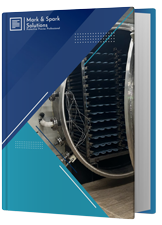
Global Freeze Drying Equipment Market Size: Analysis by Product Type (Bench Top Freeze Dryers, Laboratory Freeze Dryers, Mobile Freeze Dryers, General Purpose Freeze Dryers, Industrial Freeze Dryers, Others), By Application (Food Processing, Pharmaceuticals, Biotechnology, Surgical Procedures, Others): Global and Regional Demand Supply Trends and Forecast-2027-2033
Market Outlook
The Freeze Drying Equipment market was valued at USD 2.87 billion in 2025 and is projected to grow to USD 5.01 billion by 2033, with a compound annual growth rate (CAGR) of 7.20% from 2027 to 2033. The Global Freeze Drying Equipment Market is all about machines that help preserve products by removing water or solvents through a process that freezes and then sublimates them. This method is important in various industries, including pharmaceuticals, biotechnology, food, and cosmetics, as it helps extend shelf life and improve product quality.

There’s a growing demand for biopharmaceuticals, such as vaccines and proteins, that require stable preservation techniques. As the pharmaceutical industry expands and investment in drug manufacturing rises, the need for efficient freeze-drying solutions also increases. In the food sector, many consumers are leaning towards nutrient-rich, long-lasting items, which has pushed more companies to adopt freeze-drying technology. Plus, advancements in technology are making equipment not only more effective but also more energy-efficient, adding to its appeal. The need for long-term stability in products across fields such as aerospace and research is also fueling market growth.
However, this market isn’t without its challenges; the high upfront cost of freeze-drying equipment can make it tough for smaller businesses to adopt the technology. The freeze-drying process itself is quite complex and requires specific expertise and careful monitoring, which can make it resource-heavy. Energy costs are another issue, as they can increase ongoing expenses and raise questions about sustainability. Additionally, companies face strict regulatory standards in both the pharmaceutical and food industries, which can complicate operations. In developing regions, the slow adoption of this technology is often due to financial constraints and a lack of technical knowledge.

Key Insights
North America accounted for the largest share of the freeze-drying equipment market in 2025, at 47.30%. North America is really leading the way in freeze-drying equipment, and there are a few good reasons for that. The healthcare and food industries here are quite advanced, and a strong focus on food safety and security is pushing many companies to adopt freeze-drying methods. This helps preserve food quality and extend its shelf life, which is crucial for both consumers and businesses.
Also, there's a strong emphasis on pharmaceutical innovation and biologics production, alongside significant investments in research and development. This creates rising demand for freeze-drying technologies. The region also enjoys solid infrastructure and strict regulatory standards, which help maintain high industry quality.
In terms of Product Type, the Industrial Freeze Dryers accounted for a major share of 36.30% in 2025. Industrial freeze dryers are impressive machines that play a crucial role in preserving delicate materials by extracting moisture through a process called sublimation. These dryers are particularly important in industries such as pharmaceuticals, biotechnology, and food processing, where it’s vital to maintain product quality.
Designed for high-volume production, these machines feature advanced temperature controls, vacuum systems, and automation to boost efficiency. They commonly reserve a variety of items, including medications, biological samples, and food products such as coffee, fruits, and dairy. One of the biggest advantages of freeze drying is that it helps extend shelf life without compromising the original quality of the materials. Because of their versatility and reliable performance, industrial freeze dryers have become essential tools in both manufacturing and research settings.
Market Dynamics
The growing use of freeze-drying to preserve sensitive biological materials is driving market growth.
The increasing popularity of freeze-drying is significantly shaping the market for freeze-drying equipment, particularly because of its effectiveness in preserving sensitive biological materials. Freeze-drying, also known as lyophilization, is a powerful technique used to preserve biological materials such as vaccines, blood products, enzymes, proteins, and antibiotics. These materials are often vulnerable to heat, moisture, and air, and freeze-drying protects them from degradation while helping maintain their stability and effectiveness.
In the pharmaceutical world, vaccines, biologics, and injectable medications are especially sensitive to temperature changes. By using freeze drying, manufacturers can ensure these products remain potent and effective. As global health issues become more pressing, the demand for vaccines and biologics has skyrocketed, a trend that's likely to swing and increase the need for freeze-dried options.
The biotechnology sector is also seeing a rise in the use of freeze-drying, as it enables the long-term storage of important biologics and advanced therapeutics without compromising their effectiveness. This capability is crucial for research, diagnostics, and clinical treatments.
The rise in chronic diseases and an aging population are driving demand for biopharmaceutical products. Freeze-drying not only extends the shelf life of these materials but also helps reduce storage and transportation costs, making it a go-to method in these industries. As both the pharmaceutical and biotechnology sectors continue to evolve and innovate, the demand for freeze-drying is expected to continue to increase.
High energy usage in traditional processes raises operational costs and environmental concerns.
Freeze-drying has long been known as quite an energy hog, which can really drive up costs and raise environmental concerns. The process consists of three main steps: freezing the product, primary drying (where ice turns directly into vapor), and secondary drying (where any remaining moisture is removed). The most energy-intensive part is the sublimation phase, where you're essentially removing moisture from the product, and that requires a lot of power.
For industries like pharmaceuticals and food processing, which often operate on thin margins, the high operational costs of freeze drying can be a real challenge. Plus, many freeze-drying machines depend on electricity from non-renewable sources, which increases their carbon footprints and contributes to climate issues.
As companies seek to adopt more sustainable practices, the high energy demands of traditional freeze-drying are increasingly a roadblock. While there are ongoing efforts to make freeze-drying equipment more energy-efficient, tackling these challenges is crucial for cutting costs and reducing environmental impact.
|
Key Pointers |
Values |
|
Report Focus |
Global |
|
Largest Region |
North America |
|
Fastest Growing Region |
Asia Pacific |
|
Base Year |
2025 |
|
CAGR % (2027-2033) |
7.20% |
|
Forecast Year |
2027-2033 |
|
Historical Year |
2015-2024 |
|
Market Size in 2025 |
USD 2.87 Billion |
|
Market Size in 2033 |
USD 5.01 Billion |
|
Countries Covered |
U.S., Canada, Mexico, Germany, UK, France, Italy, Spain, Turkey, Israel, China, Japan, India, South Korea, Australia, SEA, Brazil, Chile, Argentina, Saudi Arabia, UAE, Qatar, South Africa, Rest of World |
|
Key Drivers & Challenges |
Growing demand in pharmaceuticals, biotechnology, and food processing sectors, emphasizing preservation and long shelf-life. High equipment costs, complex maintenance, and energy consumption. |
|
Segments Covered |
By Product Type, By Application |
Segmental Analysis
Based on Product Type, the freeze-drying equipment market is segmented into bench-top freeze dryers, Laboratory Freeze Dryers, Mobile Freeze Dryers, general-purpose freeze dryers, Industrial Freeze Dryers, and Others.

The Industrial Freeze Dryers segment is a key player in the global freeze-drying equipment market, largely due to its extensive use across industries such as pharmaceuticals, biotechnology, food processing, and chemicals. These dryers are built to handle large volumes of material, making them perfect for businesses operating on an industrial scale. One of the main reasons they are in such high demand is their ability to maintain the quality, nutritional value, and shelf life of various products.
Industrial freeze dryers are generally larger and more technologically advanced, boasting features such as customizable freezing temperatures, sophisticated vacuum systems, and precise controls. This means they can efficiently process large batches, which is essential for companies that require consistent, high-volume output. The food and beverage sector has especially embraced industrial freeze-drying, largely due to the growing demand for long-lasting, high-quality products such as freeze-dried fruits, vegetables, and meals.
In the pharmaceutical world, these dryers are indispensable for making sensitive drugs, vaccines, and biologics, where it’s crucial to keep the product stable and intact. Their versatility enables their use in a wide range of products, including valuable chemicals, biomaterials, and research materials, further broadening their market appeal.
|
Segments |
Values |
|
By Application |
|
Regional Landscape
In the context of regional analysis, the Freeze Drying Equipment market includes North America, Europe, Asia Pacific, South America, and the Middle East and Africa.
The market size of North America was valued at USD 1.36 billion in 2025 and is expected to reach USD 2.37 billion by 2033, with a CAGR of 47.30% during the forecast period. North America plays a leading role in the global freeze-drying equipment market, and several factors contribute to this dominance. One major reason is the strong and innovative food and beverage industry. In recent years, there has been a noticeable shift towards convenience and preservation technologies in this sector. Freeze-drying is especially appreciated for its ability to maintain the nutritional value, taste, and texture of food without requiring refrigeration. As more consumers look for nutritious, long-lasting, and ready-to-eat foods, manufacturers are increasingly adopting freeze-drying as their go-to method for preserving products. This is evident across a wide range of items, from consumer packaged goods to specialized products such as fruits, soups, and complete meals.

In addition to the food sector, the pharmaceutical and biotechnology industries in North America are at the forefront of innovation and investment. The United States, in particular, boasts numerous pharmaceutical companies and research institutions that rely on freeze-drying technology to preserve biologics, vaccines, and other delicate therapeutic products. The robust infrastructure and substantial research and development investments drive high demand for advanced freeze-drying solutions to ensure products remain stable and effective.
Competitive Landscape
Some of the major companies operating in the Freeze Drying Equipment market are: Cuddon Freeze Dry, Optima Packaging Group GmbH, BUCHI Corporation, Senovatec, Syntegon, Martin Christ Gefriertrocknungsanlagen GmbH, Hosokawa Micron BV, GEA Group, Azbil Corporation, IMA SpA, and Others.