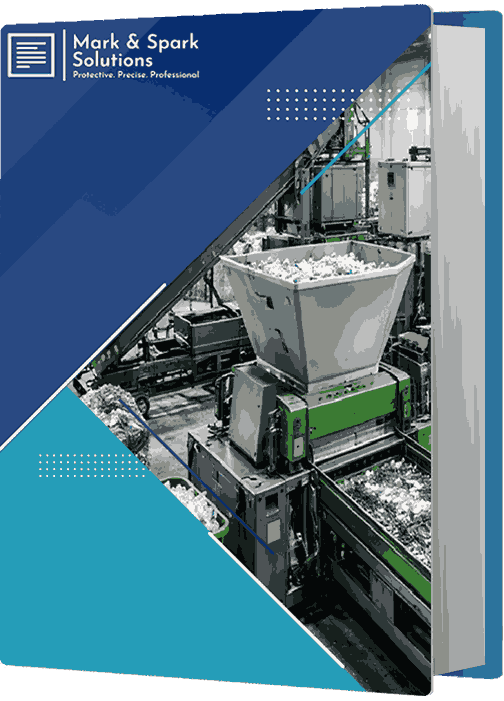
Europe Recycling Equipment Market Analysis by Type (Shredders, Crushers, Granulators, Screeners, Sorting Equipment, Balers, Compactors, Conveyors, Pulverizers, Briquetting Machines, Other Recycling Equipment), Material Type, Application and Capacity: Consumption (Units), Pricing Analysis, Trends and Forecast Till 2033
Market Overview
Europe Recycling Equipment Market recorded a sale of 350,000 units in 2025 and is estimated to reach a volume of 668,103 units by 2033 with a CAGR of 8.8% during the forecast period.

The expansion of recycling infrastructure is recognized as a crucial growth driver for the European recycling equipment market. This growth is fueled by significant investments in material recovery facilities (MRFs), advanced sorting plants, and integrated recycling hubs across the region. The strong regulatory push in Europe toward circular economy targets has accelerated the development of large-scale waste processing infrastructure, creating sustained demand for high-performance recycling equipment. Currently, Europe boasts over 6,500 sorting and separation units, underscoring the maturity and scale of its recycling ecosystem. This extensive infrastructure not only meets current waste processing needs but also necessitates continuous upgrades and replacements, which further stimulates equipment demand.
The European Union has established ambitious recycling targets, aiming for 65% recycling of municipal waste and 70% recycling of packaging waste by 2030. This mandate requires the expansion and modernization of recycling facilities.
Countries like Germany, France, and the Netherlands are at the forefront of investments in automated MRFs that utilize AI-based optical sorters and robotics, significantly enhancing material recovery rates. These advanced facilities depend heavily on sophisticated equipment, including shredders, balers, and sensor-based sorting systems, all of which contribute to the growth of the European recycling equipment market. The increasing complexity of waste streams, particularly in plastics and electronic waste, has driven the demand for specialized machinery capable of efficiently managing multi-material separation.
Investment trends indicate a shift toward high-capacity and energy-efficient equipment, with new facilities designed to handle tens of thousands of tons of waste annually, thus increasing the scale of equipment deployment. The rise in public-private partnerships and government funding initiatives has further accelerated infrastructure development, ensuring a steady flow of capital into the sector. For example, numerous European countries are directing substantial portions of their environmental budgets toward enhancing recycling capabilities and decreasing landfill reliance.
Additionally, the growing focus on localized recycling hubs is enhancing regional self-sufficiency, reducing dependence on waste exports, and increasing domestic equipment demand. As infrastructure continues to expand and modernize, the European recycling equipment market is poised to benefit from both new installations and replacement cycles. This ongoing development not only reinforces Europe’s status as a global leader in recycling but also ensures long-term, stable growth for equipment manufacturers operating within the market.
Pricing Analysis
The pricing trend in the Europe recycling equipment market reflects a steady upward trajectory, with average prices increasing from USD 30,000 per unit in 2024 to approximately USD 50,000 per unit by 2033, indicating a clear shift toward higher-value and technologically advanced machinery. This gradual price rise represents a compound annual growth driven by multiple structural factors, including inflationary pressures, technological advancements, and evolving regulatory requirements. Between 2024 and 2026, the price increase remains relatively moderate, rising from USD 30,000 to USD 33,500, suggesting a stable market environment with incremental improvements in equipment capabilities. However, from 2027 onward, prices accelerate more noticeably, reaching nearly USD 40,571 by 2029 and continuing to climb steadily thereafter.

One of the key contributors to this pricing growth in the Europe recycling equipment market is the increasing adoption of automation, AI-driven sorting systems, and energy-efficient technologies, which significantly enhance operational efficiency but also raise capital costs. Modern recycling facilities are increasingly integrating optical sorters, robotics, and smart monitoring systems, which command premium pricing compared to traditional machinery. Additionally, stricter European Union regulations focused on waste segregation accuracy and recycling efficiency are pushing manufacturers and operators to invest in higher-specification equipment, further driving up average unit prices.
Another important factor influencing pricing is the shift toward high-capacity and specialized equipment, particularly for handling complex waste streams such as plastics, e-waste, and composite materials. These advanced systems are designed to process larger volumes often tens of thousands of tons annually thereby increasing their value proposition and overall cost. Furthermore, supply chain constraints and rising raw material costs, particularly for steel and electronic components, have contributed to price inflation across the equipment manufacturing sector.
Despite the steady rise in prices, demand remains resilient due to strong policy support and long-term sustainability goals across Europe. Governments and private sector players continue to invest in upgrading recycling infrastructure, ensuring that higher equipment costs do not hinder market growth. By 2033, the average price reaching USD 50,000 per unit reflects not only inflation but also a structural shift toward more advanced, efficient, and environmentally compliant machinery. Overall, the pricing dynamics highlight a transition in the Europe recycling equipment market from volume-driven sales to value-driven growth, where technological sophistication and regulatory compliance play a central role in shaping market trends.
Segmental Analysis- Equipment Type
The Europe recycling equipment market showcases a balanced and technology-driven segmentation across various equipment types. Demand patterns in the region reflect operational necessities alongside a strong emphasis on efficiency and sustainability. Sorting equipment takes the lead in market share, a trend attributed to Europe’s advanced waste segregation standards and the widespread implementation of automated material recovery facilities. These systems, commonly integrated with AI-driven optical sensors and robotics, are vital for enhancing material purity and recovery rates, thereby becoming essential components of modern recycling operations.

Following closely are balers and shredders, which serve as the backbone of recycling processes. Balers are extensively employed for compacting recyclable materials such as paper, plastics, and metals into manageable units for transportation, while shredders play a critical role in reducing the size of diverse waste streams, including municipal, industrial, and electronic waste.
Additionally, granulators and crushers significantly contribute to the Europe recycling equipment market, especially in the recycling of plastic and construction waste. Granulators are widely utilized to transform plastic waste into reusable granules, which aligns with the focus on plastic circularity in the region. Meanwhile, crushers are essential for processing bulky materials like concrete and demolition debris. Compactors and conveyors also hold notable market shares as they enhance overall workflow within recycling facilities, facilitating efficient material handling and volume reduction. Though these systems may not hold the highest individual value, their prevalence across nearly all recycling plants ensures consistent demand.
Smaller segments, including screeners, pulverizers, and briquetting machines, serve specialized roles. Screeners are critical for separating materials based on size, particularly within the construction and mining waste recycling sectors.
Pulverizers are employed for fine grinding applications, especially for plastics and rubber, while briquetting machines are gaining recognition for converting waste into compact, energy-efficient fuel forms, supporting Europe’s waste-to-energy initiatives. The “other recycling equipment” category encompasses emerging and customized solutions, highlighting ongoing innovations in response to complex waste streams.
A key trend influencing the Europe recycling equipment market is the shift towards integrated and automated systems, where multiple types of equipment are combined into streamlined processing lines. This integration not only enhances operational efficiency but also reduces labor dependency and increases overall throughput. Furthermore, growing regulatory pressure and sustainability objectives are driving investments in high-performance equipment, particularly in segments like sorting and granulation, which directly impact recycling quality.
In summary, the market structure is characterized by a mix of core processing equipment, such as balers and shredders, along with advanced technological systems like sorting equipment, ensuring both volume-driven and value-driven growth. As Europe continues to bolster its circular economy framework, stable demand across all equipment categories is anticipated, with accelerated growth expected in technologically advanced and energy-efficient solutions.
Country Analysis- Production
The Europe recycling equipment market showcases a concentrated production landscape, predominantly influenced by a few key countries that excel in manufacturing output due to their advanced industrial ecosystems and alignment with circular economy regulations. Germany clearly stands out as the leader in the region, accounting for the largest share of production. This dominance is bolstered by robust engineering capabilities, the presence of globally recognized equipment manufacturers, and ongoing investments in automation and innovation. Germany's position is further reinforced by its well-established recycling infrastructure and stringent waste management regulations, which stimulate both domestic demand and exports.

Following Germany, France and the United Kingdom also maintain significant shares, benefitting from mature waste management systems and consistent government support for recycling initiatives. These countries have developed strong manufacturing bases that serve both local and international markets, thus contributing notably to the region's overall output.
Southern European nations like Italy and Spain are also important players in the Europe recycling equipment market, leveraging their industrial sectors and an increasing focus on sustainable waste processing. Italy is particularly recognized for its specialized machinery manufacturing, including shredders and granulators, while Spain has seen a rise in investments aimed at enhancing recycling infrastructure, which, in turn, boosts equipment production.
The Netherlands is distinguished as a strategic hub, given its advanced logistics network and emphasis on high-tech recycling solutions, facilitating efficient distribution across Europe.
Poland and other Eastern European countries are emerging as significant contributors, benefiting from lower manufacturing costs, expanding industrial bases, and a growing adoption of EU environmental standards. While their current market shares are smaller compared to those in Western Europe, these nations are poised to gain traction as infrastructure investments continue to rise.
The remaining portion of the Europe recycling equipment market is spread across smaller economies, including Belgium, Sweden, and various Nordic and Eastern European nations.
Although these regions do not lead in production volume, they are characterized by a high uptake of advanced recycling technologies and strong environmental policies, which indirectly support equipment manufacturing and innovation.
A notable trend within the region is the gradual shift of production capabilities toward countries that provide cost advantages and strategic location benefits, particularly in Eastern Europe. This transition is helping manufacturers optimize their supply chains while ensuring compliance with stringent European standards.
Overall, the distribution of production highlights a dual dynamic in the Europe recycling equipment market: established Western European economies lead in technological advancement and production scale, while emerging markets are increasingly recognized for their cost efficiency and infrastructure development. This balance contributes to a stable supply ecosystem that is well-equipped to meet both regional and global demand. As sustainability targets become more ambitious and recycling technologies continue to advance, production is expected to remain concentrated yet progressively diversified, with newer regions solidifying their presence in the competitive landscape.
Company Analysis
The Europe recycling equipment market features key players such as TOMRA Systems ASA, Sesotec GmbH, Bühler AG, STEINERT GmbH, Pellenc ST, Bollegraaf Recycling Solutions, CP Manufacturing Inc., SSI Shredding Systems Inc., EREMA Engineering Recycling, Next Generation Recyclingmaschinen GmbH, and Herbold Meckesheim GmbH, along with several other notable companies operating in the industry.