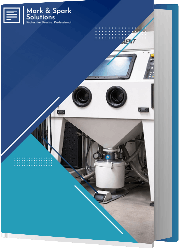
Airblast Equipment Market Analysis by Type (Airblast Nozzles, Airblast Guns, Airblast Hoses, Airblast Tanks & Vessels, Airblast Accessories), Media Type, and Application: Consumption (Units), Pricing Analysis, Trends and Forecast Till 2033
Market Overview
Airblast Equipment Market recorded a sale of 150,000 units in 2024 and is estimated to reach a volume of 146,601 units by 2033 with a CAGR of 1.2% during the forecast period.

The widespread adoption of airblast equipment in shipyards, refineries, power plants, and industrial maintenance is identified as a key growth driver of the global airblast equipment market, including in China. Industries that require regular surface preparation, rust removal, and cleaning operations heavily depend on airblast systems due to their efficiency, precision, and versatility. In the shipbuilding and maintenance sectors, for instance, airblast equipment plays a crucial role in eliminating corrosion, old paint layers, and marine fouling from hulls and decks. Industry estimates indicate that maintenance operations in global shipbuilding comprise about 25% of total abrasive blasting equipment demand, with airblast systems making up the majority of this segment.
Similarly, in the refinery sector, airblast equipment is essential for the routine cleaning and surface preparation of pipelines, storage tanks, and pressure vessels, allowing for the precise removal of scale, rust, and residue while minimizing downtime and maintenance costs. Power plants represent another significant market for airblast equipment, particularly in thermal and nuclear facilities where regular maintenance of boilers, turbines, and piping is vital. It is estimated that over 15,000 industrial power plants globally utilize automated or semi-automated airblast systems, underscoring the consistent demand for these machines in critical infrastructure.
The industrial maintenance segment, which includes manufacturing plants, metal fabrication facilities, and heavy equipment servicing, further propels sustained market growth. Regular maintenance cycles in these industries generate an ongoing need for airblast systems capable of operating continuously with minimal downtime. Technological innovations, such as portable airblast systems, automatic pressure control, and high-efficiency nozzles, have broadened their applicability, enabling precise and consistent cleaning in hard-to-reach areas.
Overall, the consistent demand from shipyards, refineries, power plants, and industrial maintenance creates a reliable revenue stream for manufacturers, positioning this sector as a vital driver of the airblast equipment market. As industrial operations expand, particularly in emerging economies like China, and as maintenance cycles become increasingly rigorous due to regulatory and safety standards, the adoption of airblast equipment is anticipated to rise steadily. Analysts project that recurring industrial maintenance applications will significantly contribute to market growth, supporting a compound annual growth rate (CAGR) of over 6–7% globally in the next five years. The combination of efficiency, safety, and versatility positions airblast equipment as an essential tool across industrial maintenance sectors, driving both unit sales and revenue in the broader market.
Pricing and Rental Analysis
The airblast equipment market has shown a consistent upward trend in average unit pricing, reflecting enhancements in technology, improved efficiency, and greater industrial adoption. In 2023, the average unit price for airblast equipment was approximately USD 7,000, aimed mainly at small to medium industrial operations, portable uses, and maintenance services. Projections for 2024 suggest that prices will rise to around USD 8,000 per unit, fueled by increasing demand in heavy industries such as shipbuilding, automotive, aerospace, and refineries, where precise and consistent surface preparation is essential.

Between 2025 and 2033, unit prices are expected to gradually climb, reaching USD 11,500 by 2033. This increase reflects the incorporation of advanced features like automatic pressure control, high-efficiency nozzles, media recycling systems, and dust collection technologies. The market's pricing trajectory also considers the growing adoption of semi-automatic and fully automatic systems, which promise higher productivity and reduced labor dependency, justifying the higher initial costs.
This steady escalation in prices indicates that manufacturers are investing in durable materials, enhanced ergonomics, and technological upgrades to keep pace with the evolving needs of industrial operations. Industrial buyers are increasingly inclined to invest in high-quality airblast equipment, recognizing that the long-term advantages, including reduced downtime, consistent surface finishing, and adherence to safety and environmental regulations, outweigh the upfront costs. The Asia-Pacific region, notably China, is emerging as a significant market for mid- to high-end airblast systems, significantly contributing to global revenue growth through rapid industrialization and expanding infrastructure initiatives. Pricing stability is also being bolstered by the rising demand for modular systems, which can be adaptable across various industrial applications, providing flexibility and efficiency.
Additionally, the rental market for airblast equipment has experienced notable growth, particularly for short-term projects and site-specific applications. Renting offers smaller contractors, shipyards, and maintenance service providers the opportunity to utilize high-end or specialized equipment without needing significant capital investment.
Rental agreements typically include maintenance, media supply, and on-site technical support, thereby reducing operational risks and improving equipment uptime. The preference for rentals is especially evident in sectors with variable project volumes, such as construction, ship repair, and refinery maintenance, where equipment utilization may fluctuate seasonally. Analysts suggest that the rental segment accounts for 15–20% of overall equipment deployment in mature markets, a figure expected to rise as more service providers seek flexible, cost-effective solutions while accessing advanced airblast technology without ownership.
Together, the increasing average unit prices and the expanding rental market reflect the maturing nature of the airblast equipment market, driven by technological advancements, operational efficiency, and cost-effective industrial surface preparation solutions.
Segmental Analysis- Application
The airblast equipment market exhibits a diverse application profile, highlighting the versatility and essential role of these systems across various industrial sectors. The construction and infrastructure segment stands out as the largest, spurred by ongoing urban development, high-rise buildings, bridges, and extensive infrastructure projects. Airblast equipment finds extensive use in concrete surface preparation, steel cleaning, and finishing tasks, where efficiency and precision are vital for meeting project timelines and quality standards. As global construction activity continues to grow steadily, there is an increasing demand for robust and durable airblast systems capable of handling heavy-duty applications, particularly in emerging economies experiencing rapid industrialization.

Additionally, the automotive and transportation sector represents a significant portion of the market. Airblast equipment is heavily utilized in vehicle manufacturing plants for tasks such as surface cleaning, paint preparation, and rust removal on metal components. The rise of automated and semi-automated airblast systems in assembly lines ensures consistent outcomes, minimizing rework and boosting productivity. With the surge in electric vehicle production and high-performance automobiles, manufacturers are prioritizing surface quality and efficiency, which in turn drives the adoption of advanced airblast equipment solutions.
Shipbuilding and marine applications also serve as a crucial market driver, with airblast equipment playing an essential role in removing rust, old coatings, and marine growth from ship hulls, decks, and offshore structures. This segment benefits from an increase in global trade and shipping activities, with vessel maintenance cycles necessitating the regular use of reliable airblast systems. Similarly, metal fabrication and foundries depend on airblast equipment for cleaning, finishing, and preparing metal surfaces for further processing or coating, ensuring compliance with stringent dimensional and surface quality standards.
The aerospace and defense industry is an emerging application segment, propelled by the demand for precision cleaning and preparation of aircraft components, turbine blades, and defense equipment. Airblast systems in this sector are often specialized and designed for high precision, reflecting the critical quality and safety requirements necessary. The oil and gas sector also adds to market demand, particularly for pipeline maintenance, refinery equipment cleaning, and surface preparation of storage tanks, where durable, high-capacity airblast systems help mitigate downtime and operational risks.
Smaller applications, including electronics, furniture finishing, and other specialty industries, while representing a modest market share, are gaining traction as more manufacturers adopt airblast systems for precise and repeatable cleaning and surface treatment processes. Overall, the extensive industrial utilization of airblast equipment ensures a steady and recurring demand, solidifying its position as an indispensable technology across multiple sectors. The growth trajectory of the market is further supported by advancements in technology, automation, and environmental compliance features, which enhance its adoption across both traditional and emerging applications, establishing it as a cornerstone of industrial surface preparation and maintenance solutions.
Regional Analysis
The airblast equipment market exhibits notable regional differences, shaped by the varying levels of industrial development, infrastructure growth, and technological adoption worldwide. The Asia-Pacific region stands out as the leader in the market, accounting for approximately 35% of overall demand. This dominance is largely attributed to rapid industrialization, extensive construction and infrastructure projects, and a thriving manufacturing sector. Key contributors include countries like China, India, Japan, and South Korea, with China making a significant impact thanks to its robust shipbuilding activities, automotive production, and increasing needs for industrial maintenance. The region's focus on modernizing manufacturing processes and embracing automated, high-efficiency airblast equipment solidifies its leading position.

Following closely is North America, which contributes around 25% to the market share. This region benefits from a strong presence in automotive, aerospace, and heavy industrial sectors that demand precise and reliable surface preparation solutions. Stricter environmental and occupational safety regulations have spurred the adoption of airblast equipment featuring dust collection and media recycling capabilities, enhancing both compliance and operational efficiency. The United States and Canada, in particular, show high demand for both stationary and portable systems to support industrial plants, construction projects, and maintenance operations.
Europe captures roughly 22% of the market, bolstered by established shipbuilding, automotive, and metal fabrication industries. Germany, France, Italy, and the United Kingdom serve as key markets, driven by investments in energy-efficient and automated airblast systems. The region's commitment to sustainability and reducing environmental impact has led to an increased adoption of systems that minimize dust emissions and optimize abrasive media usage. Furthermore, European manufacturers are focusing on integrating advanced control systems and ergonomic designs into airblast equipment, enhancing productivity and worker safety.
The Middle East and Africa make up about 10% of the market, primarily driven by the oil and gas sector, construction projects, and industrial maintenance activities. The demand for durable and high-capacity airblast systems in refineries, pipelines, and heavy industries supports steady growth in this region. Meanwhile, Latin America accounts for approximately 8% of the market, fueled by infrastructure expansion, mining operations, and industrial fabrication. Countries such as Brazil, Mexico, and Chile are increasingly adopting automated and semi-automatic airblast solutions to enhance efficiency and reduce labor-intensive processes.
In summary, the airblast equipment market is characterized by diverse regional dynamics, influenced by industrial development, regulatory frameworks, and technological advancements. Asia-Pacific's significant share underscores the importance of emerging economies, while mature markets in North America and Europe concentrate on advanced, compliant, and energy-efficient systems. Meanwhile, the Middle East, Africa, and Latin America present steady growth opportunities, particularly in construction, oil and gas, and industrial maintenance, all contributing to the global trajectory of the airblast equipment market.
Company Analysis
Key companies analyzed within the airblast equipment market are: Clemco Industries Corp., Graco Inc., Airblast B.V., Midwest Finishing Systems, Inc., Norton Sandblasting Equipment, Sinto America, Inc., Others.