From Factories to Airports: Understanding the Role of Installation Locations in the U.S. Vending Machine Market
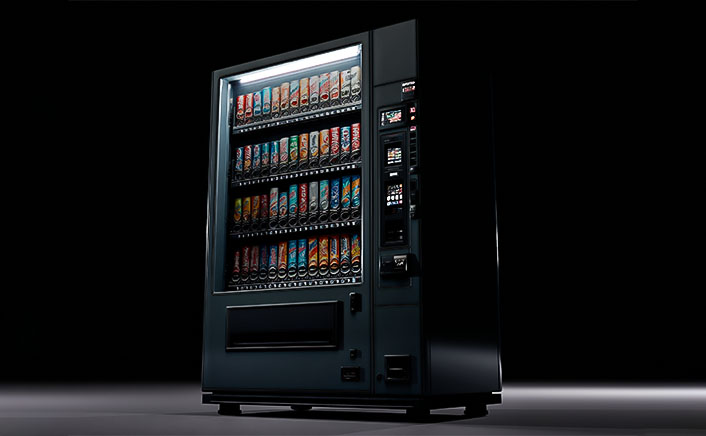
The U.S. Vending Machine Market exhibits a distinct distribution of market share based on installation location, which reflects how consumption behavior, foot traffic, and operational convenience influence the deployment of vending solutions. Offices and corporate campuses dominate the market with a 30.35% share, underscoring their significant role in driving vending demand. These corporate environments typically feature high employee density, predictable schedules, and insufficient time for offsite meals, making vending machines an appealing solution for quick snacks, beverages, and increasingly healthier options. The presence of beverage and snack-focused machines in offices, paired with the rising trend of healthier alternatives such as protein shakes, nuts, and cold-pressed juices, positions office locations as the leading contributors to sales and repeat usage in the sector. Operators and manufacturers prioritize this segment for technology enhancements, including smart vending machines with cashless payment options and telemetry, as high-volume settings allow for quick returns on investment in advanced technologies.
U.S. vending machine market was valued at USD 8,484 million in 2024 and is estimated to reah a value of USD 12,355 million by 2033 with a CAGR of 4.6% during the forecast period.
Following the office sector, manufacturing and industrial facilities capture 20.11% of the market, highlighting the importance of vending machines in locations with limited access to traditional food outlets. Factories, plants, and warehouses require durable and reliable machines capable of operating in challenging environments while efficiently delivering products to employees on shifting schedules. Snack and beverage machines are predominant in these settings, though there is a growing interest in refrigerated options to accommodate fresh and perishable items. Trends toward health-conscious consumption and workplace wellness initiatives have prompted manufacturers to roll out high-protein, low-sugar, and functional products tailored for industrial spaces. The continuous growth in this segment reflects the dual advantages of convenience for employees and increased productivity for employers, as vending machines help minimize downtime associated with offsite food breaks.
Educational institutions, including universities, colleges, and secondary schools, account for 15.78% of the U.S. vending machine market. This segment enjoys steady foot traffic, a diverse consumer demographic, and strong impulse purchasing behavior. Students and faculty often rely on vending machines for snacks, beverages, and quick meals between classes or during extended hours on campus. Operators are increasingly focusing on healthier and more nutritious options in this segment, such as protein bars, yogurt, and cold beverages, to align with nutritional guidelines and parental expectations. The educational sector also serves as a testing ground for smart vending technologies like contactless payment systems and inventory tracking, appealing to the tech-savvy nature of the consumer base and the high turnover of students.
Healthcare facilities represent 10.76% of the market and are another vital yet specialized environment for vending machines. Hospitals, clinics, and medical centers have specific requirements for clean, reliable, and accessible vending solutions benefiting both staff and visitors. The demand for products in healthcare settings is primarily for fresh food, protein-rich snacks, and beverages with clean-label and functional claims, reflecting the health-conscious inclinations of the consumer base. In this segment, refrigerated and smart vending machines are predominant, as operators must meet stringent storage standards while offering a diverse product assortment. Although this segment is smaller than the office or industrial locations, healthcare facilities present high-value opportunities due to the potential for premium pricing on better-for-you products.
Transportation hubs, including airports, train stations, and bus terminals, account for 7.00% of the market. Vending machines in these locations cater to travelers in search of quick, on-the-go snacks and refreshments. Though this segment is smaller, it plays a critical role in encouraging impulse purchases and testing premium, travel-oriented offerings like energy drinks, protein shakes, and convenient meal options. Operators often deploy high-tech, cashless, and multi-product machines in transportation hubs to enhance convenience and streamline transactions, given the transient nature of the consumer demographic.
Lastly, retail and public spaces contribute 16.00% to the market, representing a diverse environment encompassing shopping malls, entertainment venues, parks, and other high-footfall areas. Machines in these locations must appeal to a broad demographic with a mixture of traditional snacks, beverages, and increasingly healthier choices to attract health-conscious consumers. These public spaces also serve as innovation hotspots, allowing operators to experiment with new products, premium formats, and advanced vending technologies.