Emerging Growth Opportunities in Paint Protection and Automotive Interior Applications within the U.S. Thermoplastic Polyurethane (TPU) Films Market
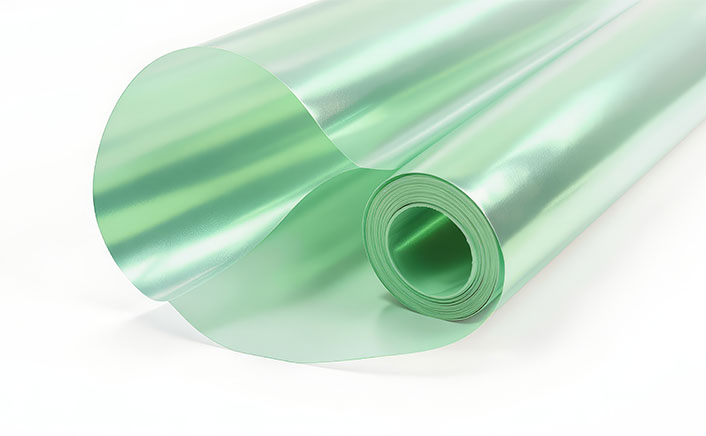
Paint Protection Films (PPF) constitute the largest segment of the U.S. Thermoplastic Polyurethane (TPU) Films Market , representing approximately 25% of total demand. This growth is driven by the rapid expansion of premium automotive detailing, the increasing adoption of electric vehicles, and a consumer preference for long-term protection of exterior surfaces. Due to their superior elasticity, self-healing properties, UV resistance, and optical transparency, TPU-based PPF materials are becoming more popular than traditional PVC alternatives. Premium vehicle manufacturers and aftermarket installers are extensively utilizing aliphatic TPU films for luxury SUVs, electric vehicles, and high-performance cars, where surface durability and gloss retention are paramount.
In the growing U.S. electric vehicle sector, demand for TPU films is also rising for automotive interior components. Original Equipment Manufacturers (OEMs) are incorporating soft-touch TPU laminates into dashboards, door trims, center consoles, and seat protection systems, which help reduce weight while enhancing scratch resistance and tactile quality. TPU films are particularly appealing for EV interiors because they emit lower volatile organic compounds (VOCs) and are more recyclable compared to conventional multilayer synthetic laminates.
In the medical sector, TPU films are gaining traction as hospitals and medical device manufacturers increasingly seek biocompatible and sterilization-resistant TPU materials for applications such as wound care, surgical drapes, wearable monitoring devices, and inflatable medical structures. The aging population in the U.S. and rising investments in home healthcare are further supporting the demand for medical TPU films, particularly in the breathable and antimicrobial categories.
Industrial protective films are also witnessing significant adoption across sectors such as heavy machinery, electronics manufacturing, and equipment packaging. These films are preferred for their abrasion resistance, oil resistance, and chemical durability in demanding operating environments. In manufacturing settings, TPU protective films are used to safeguard high-value surfaces during transportation and assembly processes, especially in aerospace and semiconductor industries.
The market for textile and apparel lamination applications is steadily increasing. TPU films provide waterproofing, elasticity, and durability for outdoor sportswear, military uniforms, and performance footwear. Major sportswear manufacturers are shifting towards solvent-free TPU lamination technologies to meet sustainability goals and reduce environmental compliance costs associated with solvent-based coatings.
In sports and leisure equipment, consumer spending on premium fitness products, inflatable recreational systems, and protective sports gear is growing. TPU films are favored in these applications for their puncture resistance and flexibility under repeated stress. The demand for TPU films in electronics and display protection is rapidly growing, driven by the rise of foldable electronics, touch-enabled automotive displays, wearable devices, and high-end consumer electronics requiring anti-scratch and impact-resistant layers. TPU films are increasingly preferred over PET-based alternatives in flexible display systems due to their ability to withstand repeated bending without significant cracking or delamination.
Adhesive films also represent a crucial segment, especially in automotive bonding, electronics assembly, and specialty industrial laminations where the high bonding compatibility and thermal stability of TPU enhance long-term structural performance. While packaging film demand remains smaller, it is expanding in high-value flexible packaging applications that require puncture resistance, transparency, and flexibility for medical products, industrial components, and premium consumer goods.
The niche market for inflatable structures, such as military shelters, rescue boats, medical air cushions, and recreational inflatables, continues to support TPU film demand, owing to the material’s superior air retention properties and environmental resistance compared to rubber-coated fabrics. Furthermore, the adoption of TPU films in solar panel protection is increasing, particularly in photovoltaic module edge protection and flexible solar technologies that require weather-resistant and UV-stable encapsulation layers. The growth of renewable energy installations across the United States is gradually enhancing long-term demand visibility for TPU-based solar protective films, especially in lightweight and portable solar systems.
In the aerospace industry, TPU films are seeing rising utilization as manufacturers and cabin refurbishments strive for lightweight, flame-retardant, and abrasion-resistant materials that comply with stringent aviation safety standards. These films are being integrated into aircraft seating systems, wall laminates, protective coverings, and cable insulation to minimize aircraft weight while ensuring durability and regulatory compliance. Throughout all application segments, sustainability trends are significantly influencing the market dynamics.