U.S. Smart Wearables Market to Reach USD 59.8 Billion by 2033 as Health Monitoring and AI-Driven Devices Redefine Consumer Electronics
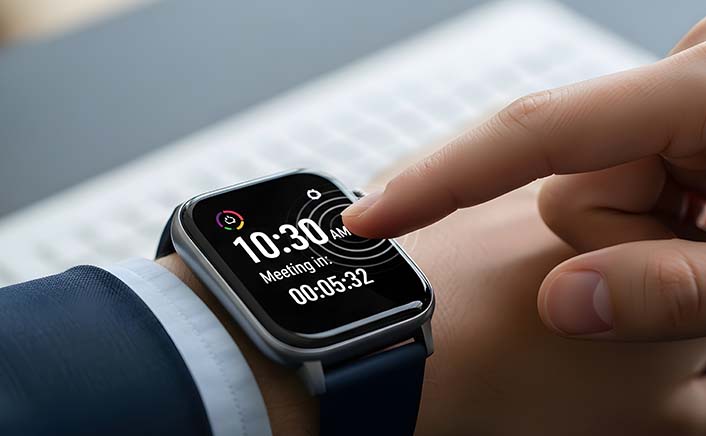
The U.S. Smart Wearables Market is projected to grow from USD 28.2 billion in 2025 to USD 59.8 billion by 2033, registering a CAGR of 10.8% during the forecast period. The market is undergoing a structural shift from fitness-focused wearable devices toward integrated digital health and connected lifestyle ecosystems. Smartwatches continue to dominate revenue generation, while smart rings, medical wearables, and AI-enabled biometric monitoring devices are reshaping long-term growth opportunities across healthcare, consumer electronics, and enterprise wellness applications.
The U.S. remains one of the highest-value wearable markets globally because consumers increasingly prioritize preventive healthcare, digital wellness tracking, and ecosystem-based connected devices. Premium pricing dynamics also support market expansion. Unlike many Asia-Pacific markets where low-cost fitness bands dominate unit shipments, the U.S. market is heavily concentrated in higher-value smartwatches with advanced health-monitoring functionality. Devices with ECG monitoring, blood oxygen tracking, sleep analysis, and stress-detection features are increasingly positioned as everyday health-management tools rather than discretionary consumer electronics products.
A major growth catalyst is the rising prevalence of chronic diseases in the United States. According to CDC data, six in ten U.S. adults live with at least one chronic condition, increasing demand for continuous health-monitoring and remote patient-management technologies. This has accelerated partnerships between wearable manufacturers, healthcare providers, and telehealth platforms. Hospitals and insurers are increasingly integrating wearable-generated biometric data into preventive care and chronic disease management programs to improve patient engagement and reduce long-term treatment costs.
The competitive landscape remains dominated by a limited number of ecosystem-driven technology companies. Apple Inc. continues to lead the premium smartwatch segment through strong integration between Apple Watch, iPhone, Apple Health, and subscription-based wellness services. The company’s wearable ecosystem has significantly expanded the role of smartwatches beyond communication and fitness tracking. Samsung Electronics maintains a strong position in Android-compatible devices, while Garmin Ltd. continues to attract sports-performance and outdoor-focused consumers through advanced analytics and endurance-tracking capabilities.
Smart rings are emerging as one of the fastest-growing categories within the market. Companies such as Oura Health are benefiting from rising consumer preference for passive biometric monitoring and compact wearable form factors. These devices are increasingly used for sleep optimization, stress management, and recovery tracking among wellness-conscious consumers and professional athletes.
Technology evolution is becoming a defining competitive factor across the market. Earlier wearable generations focused largely on step counting and activity tracking, whereas current devices increasingly incorporate AI-driven analytics, predictive health insights, and real-time biometric interpretation. Sensor miniaturization, low-power chip development, and machine-learning integration are enabling more accurate and continuous health monitoring while improving battery efficiency. Companies are also investing heavily in medical-grade capabilities because FDA-linked approvals increasingly influence consumer trust and premium pricing potential.
Consumer purchasing behavior in the U.S. smart wearables market is also shifting toward ecosystem loyalty rather than standalone hardware specifications. Higher-income consumers demonstrate stronger adoption rates due to premium device pricing and subscription-based digital wellness services. Online retail channels account for a significant share of wearable sales because consumers increasingly rely on direct-to-consumer launches, financing options, and product-comparison platforms before purchase. However, physical retail stores continue to play an important role in premium smartwatch sales, as consumers evaluate comfort, interface quality, and sensor functionality before purchase.
Healthcare is expected to remain the fastest-growing end-user industry during the forecast period, as telehealth adoption, remote diagnostics, and digital patient engagement continue to expand across the United States. Enterprise adoption is also gradually increasing as employers implement wearable-linked wellness initiatives to improve workforce productivity and reduce insurance-related expenditures.
As wearable technology becomes more deeply integrated into healthcare delivery, consumer wellness ecosystems, and AI-enabled digital services, the U.S. smart wearables market is expected to remain one of the most commercially valuable segments within the broader connected devices industry through 2033.