How Hydraulic Fracturing Drives 80% of U.S. Silica Consumption and Shapes Energy Markets
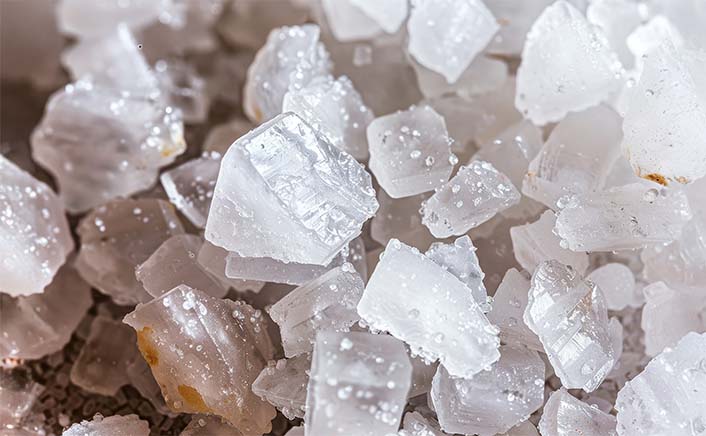
The U.S. Silica Market operates within a highly concentrated framework, primarily driven by demand from the oil and gas industry, which is projected to represent around 81% of total consumption in 2024. Hydraulic fracturing, commonly referred to as “fracking,” continues to be the leading application for silica within the United States, with frac sand playing a vital role as a proppant that ensures the integrity of shale wells and boosts hydrocarbon recovery. This sector's prominence highlights the market's reliance on upstream energy activities, particularly in crucial basins such as the Permian, Marcellus, and Bakken regions. Consequently, fluctuations in oil prices, drilling activities, and regulatory landscapes have a direct impact on silica demand, making the U.S. market particularly responsive to the dynamics of the energy sector. The dependence on hydraulic fracturing has also influenced the supply chain, favoring proximity to production sites and well-developed transportation networks to meet high-volume needs efficiently and cost-effectively.
In addition to the energy sector, the glass and container industry stands as the second-largest end-use segment, accounting for about 6% of total U.S. silica consumption. High-purity silica is crucial for the production of flat glass, container glass, fiberglass, and specialty glass products, which have diverse industrial and consumer applications. This segment must adhere to stringent quality specifications concerning optical clarity, mechanical strength, and thermal stability. Ongoing growth in construction, automotive glass, consumer electronics, and industrial glass applications supports sustained demand in this area. The building and construction industry, which makes up roughly 4% of silica consumption, includes materials such as concrete, cement, and mortar. The chemical and mechanical characteristics of silica enhance structural integrity, thermal resistance, and durability, facilitating infrastructure development, urban expansion, and renovation efforts throughout the United States.
The foundry and metal casting sector, utilizing silica for mold and core production, accounts for around 3% of consumption. This application is closely connected to manufacturing outputs in industries like automotive, machinery, and aerospace, where precision and material quality are essential. The chemicals industry, representing a 2% share, uses silica as a raw material for processes such as sodium silicate production, adhesives, and detergents. The role of silica in chemical processes reflects its versatility and significance in industrial manufacturing, especially in applications that demand thermal stability, chemical inertness, and consistent particle size.
Water treatment applications, also constituting about 2% of the market, involve municipal and industrial filtration systems that utilize silica sand to remove impurities and ensure water quality. This segment has gained traction due to increasing regulatory attention on potable water standards, industrial effluent treatment, and environmental compliance. Emerging technology applications, though currently comprising a smaller volume, are becoming increasingly important. Sectors like electronics and semiconductors, renewable energy (particularly solar panels), and industrial manufacturing each represent about 0.5% of the market, highlighting high-value, specialized uses for silica. High-purity silica is fundamental in semiconductor manufacturing, optical devices, and photovoltaic glass, where purity, consistency, and particle morphology significantly influence performance. The growth of solar energy installations in the U.S. is particularly promising, as the demand for high-purity silica in photovoltaic glass is expected to rise in line with the expansion of renewable energy and clean energy policies.
The automotive sector, accounting for approximately 1% of silica consumption, employs silica in areas such as glass, coatings, and composite materials, aimed at enhancing safety, durability, and efficiency. Although this volume is smaller, these specialized applications illustrate the market's diversification beyond bulk frac sand, revealing emerging opportunities for premium and high-purity silica products. Overall, the market distribution illustrates a dual structure: a high-volume, commodity-driven segment primarily focused on oil and gas applications, alongside a lower-volume, high-value segment servicing industrial, technological, and specialty applications.
This dual framework showcases the U.S. silica market's resilience and long-term growth prospects. While hydraulic fracturing serves as the primary revenue generator, consistent demand from glass manufacturing, chemicals, water treatment, and burgeoning high-tech sectors act as a buffer against volatility in the energy sector. The gradual shift toward specialty applications, particularly in electronics and renewable energy, underscores the strategic significance of high-purity silica, which offers both revenue stability and pathways for innovation. As the United States forges ahead with renewable energy initiatives, high-tech manufacturing, and industrial modernization, the demand for specialty silica products is poised for continued growth.