U.S. Shower Filter Market Set to Reach USD 469 Million by 2033 as Consumer Focus on Skin, Hair, and Water Quality Intensifies
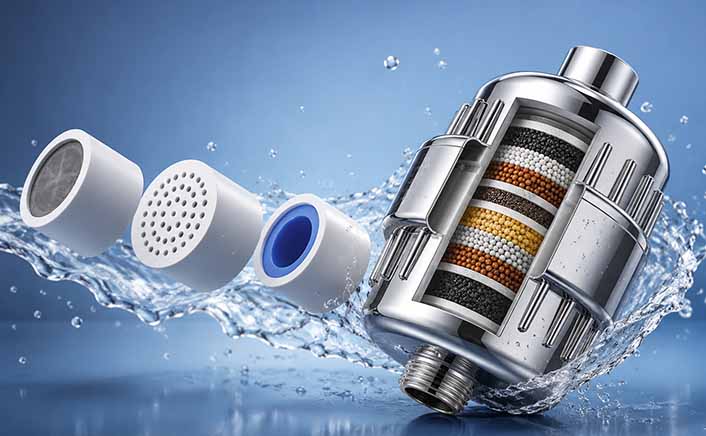
The U.S. Shower Filter Market is projected to grow from USD 250 million in 2025 to USD 469 million by 2033, registering a CAGR of 8.2% during the forecast period. The category, once considered a niche within point-of-use water filtration, is now gaining mainstream traction as consumers increasingly link water quality to personal wellness outcomes such as hair health, skin hydration, and overall hygiene.
Shower filters are designed to reduce chlorine, sediment, and certain heavy metals in the water used for bathing. While U.S. municipal water systems meet regulatory safety standards, the widespread use of chlorine for disinfection has raised concerns around skin dryness, scalp irritation, and respiratory exposure during hot showers. Industry observations indicate that a significant portion of households—especially in states with higher mineral content, such as Texas, California, and Arizona—are actively seeking solutions to mitigate these effects.
The market is being reshaped by a strong shift toward direct-to-consumer (D2C) brands, which are redefining product positioning from basic filtration devices to premium wellness and skincare accessories. Companies such as Jolie and Canopy have successfully leveraged digital platforms, influencer marketing, and design-centric branding to command higher price points and build loyal customer bases. This transition has elevated the perceived value of shower filters, enabling the category to move beyond purely functional appeal.
A key structural characteristic of the market is its recurring revenue model. While initial shower filter units are typically priced between USD 30 and USD 70, replacement cartridges, which are required every 3 to 6 months, generate a consistent revenue stream. Over time, cartridge sales can exceed the original purchase value, significantly increasing customer lifetime value. Subscription-based models, which offer automated delivery of replacement filters, are gaining momentum as they improve customer retention and ensure timely use of products.
E-commerce platforms, particularly Amazon and brand-owned websites, dominate distribution, accounting for the majority of sales. Consumer purchasing decisions are heavily influenced by online reviews, product ratings, and before-and-after testimonials, with high-rated products experiencing stronger conversion rates. This digital-first buying behavior has lowered entry barriers for new brands while intensifying competition across price segments.
Despite positive growth momentum, the market faces certain constraints. Shower filters remain a non-essential consumer product, and adoption is still limited to a relatively small percentage of households. Additionally, the absence of standardized performance metrics for shower filtration makes it difficult to validate product claims, leading to varying levels of consumer trust. Price sensitivity in the entry-level segment also contributes to inconsistent usage patterns, particularly when perceived benefits are not immediate.
However, long-term opportunities remain strong. Increasing awareness of chlorine exposure through inhalation, growing consumer spending on home wellness products, and the expansion of rental housing markets where easy-to-install, non-permanent solutions are preferred are expected to support sustained demand. The integration of shower filters into broader beauty and personal care routines is also emerging as a key growth lever, particularly among younger, digitally engaged consumers.
From a competitive standpoint, the market remains fragmented, with a mix of established filtration companies and emerging lifestyle brands. Traditional players such as Culligan and Sprite Industries continue to leverage brand trust and distribution networks, while newer entrants focus on differentiation through aesthetics, user experience, and targeted marketing. Mid-range brands like AquaBliss and AquaHomeGroup maintain strong visibility through competitive pricing and extensive online presence.
As the U.S. shower filter market continues to evolve, the convergence of water quality awareness, digital commerce, and wellness-driven consumption is expected to redefine category dynamics. With penetration levels still relatively low, the market presents significant headroom for growth, particularly for brands that can effectively balance performance credibility with compelling consumer narratives.