Rising health awareness, increased frequency of home cooking, and growing reliance on digital meal-planning tools are accelerating demand in the US recipe app market.
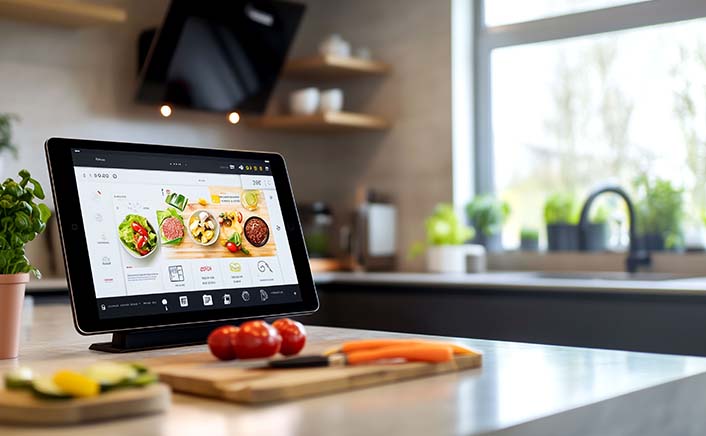
“The US Recipe Apps Market is experiencing steady, sustained growth, driven by high smartphone penetration, evolving consumer lifestyles, and a growing preference for structured, digital-first solutions for meal planning and healthy cooking. Recipe apps are no longer limited to inspiration; they are increasingly positioned as essential lifestyle platforms that support nutrition management, time efficiency, and household food budgeting. This evolution is strengthening user engagement and expanding monetization opportunities across the market.”
The US Recipe Apps Market was valued at approximately USD 440 million in 2025 and is projected to reach around USD 943 million by the end of the forecast period, growing at a compound annual growth rate (CAGR) of about 10.0% from 2024 to 2033. Market expansion is supported by widespread smartphone adoption across the United States, where smartphone penetration exceeds 85%, enabling access to digital applications across nearly all age groups. The growing integration of recipe apps into daily routines, combined with increasing acceptance of paid digital subscriptions, continues to support long-term market growth.
The sustained rise in home cooking has become a key structural driver of the recipe apps market. While home cooking surged during the pandemic, consumption patterns have stabilized at a higher baseline than pre-2020 levels. Rising food prices, greater cost consciousness, and flexible work arrangements have encouraged consumers to cook at home more often. Recipe apps play a critical role in this shift by helping users plan meals efficiently, reduce food waste, and manage grocery spending. As a result, recipe apps are increasingly viewed as practical household tools rather than discretionary entertainment applications.
Health-conscious consumption and dietary management are driving demand for digital recipe platforms.
A growing focus on health, wellness, and nutrition is significantly shaping recipe app usage in the US. Consumers increasingly seek recipes that align with specific dietary preferences, including low-calorie, high-protein, plant-based, gluten-free, and allergen-conscious diets. Recipe apps have responded by adding features such as nutritional breakdowns, calorie tracking, and diet-specific filters, transforming them into functional wellness companions. This trend is powerful among adults ages 25–44, a demographic that combines high digital adoption with strong interest in fitness, weight management, and preventive health. As awareness of lifestyle-related health conditions continues to rise, the role of recipe apps in supporting healthier eating habits is expected to expand further.
Meal planning and personalization are driving sustained user engagement across platforms.
Demand in the US Recipe Apps Market is increasingly concentrated on platforms that offer structured meal planning and personalized experiences. Users value features such as weekly meal schedules, automated grocery lists, and customized recommendations that simplify decision-making and save time. Working professionals and families, in particular, rely on these tools to manage busy schedules and maintain consistency in home-cooked meals. Apps that successfully combine inspiration with planning functionality show higher retention and stronger paid conversion than platforms focused solely on recipe discovery. This dynamic continues to reinforce the dominance of the meal-planning and recipe-discovery segments within the overall market.
Subscription-based and freemium models are gaining traction as monetization strategies.
While ad-supported platforms continue to attract the largest share of users, the US Recipe Apps Market is gradually shifting toward subscription-based and freemium monetization models. Consumers are increasingly willing to pay for premium features, including ad-free experiences, personalized meal plans, advanced nutrition insights, and enhanced planning tools. Annual subscription plans are growing in popularity, reflecting greater consumer comfort with long-term digital commitments and the bundled value they offer. Although paid users represent a smaller share of the total user base, they contribute a disproportionately large share of overall revenue, supporting steady market expansion despite competitive pricing pressures.
Mobile-first usage and evolving digital behavior are shaping market dynamics.
Recipe app usage in the US remains overwhelmingly mobile, reflecting the country’s app-centric digital ecosystem. Peak usage typically occurs on weekday evenings and on weekends, aligning with meal-preparation schedules. Younger users aged 18–24 years show strong engagement with short-form, video-based recipe content, while older users prefer structured meal planning and traditional recipe formats. This diversity in usage behavior is prompting platforms to expand content formats and feature sets to serve multiple user segments simultaneously. The growing integration of recipe apps with grocery delivery and e-commerce platforms further enhances convenience and reinforces repeat usage patterns.
Regional demand remains concentrated in digitally mature and urban markets.
The Western United States leads the recipe app market, supported by high smartphone penetration, strong digital subscription adoption, and a pronounced focus on health and wellness. Urban centers in states such as California and Washington show robust engagement with premium meal-planning and nutrition-focused platforms. The Northeast follows closely, driven by dense urban populations, time-constrained professionals, and demand for curated, high-quality content. Meanwhile, the Southern and Midwestern regions are experiencing steady growth, supported by rising smartphone adoption, traditional home-cooking cultures, and increasing interest in digital meal-planning solutions. These regional dynamics contribute to a balanced nationwide growth outlook.
Gifting, lifestyle positioning, and brand partnerships continue to support market expansion.
Although recipe apps are primarily utility-driven, lifestyle and gifting subscriptions are becoming more common, particularly during the holidays. Partnerships with food brands, kitchenware companies, and grocery retailers are further boosting revenue through sponsored content and affiliate models. As recipe apps increasingly position themselves as holistic lifestyle platforms rather than standalone cooking tools, their relevance in the broader digital consumer ecosystem continues to strengthen.
Competitive Landscape
Some of the major companies operating in the US Recipe Apps Market include Allrecipes, Yummly, Tasty (BuzzFeed), NYT Cooking, Paprika Recipe Manager, MyFitnessPal, Samsung Food (Whisk), SideChef, BigOven, and Forks Over Knives, among others.