U.S. Oat Milk Market to Reach USD 3.53 Billion by 2033 as Café Expansion and Private-Label Growth Reshape Plant-Based Beverage Consumption
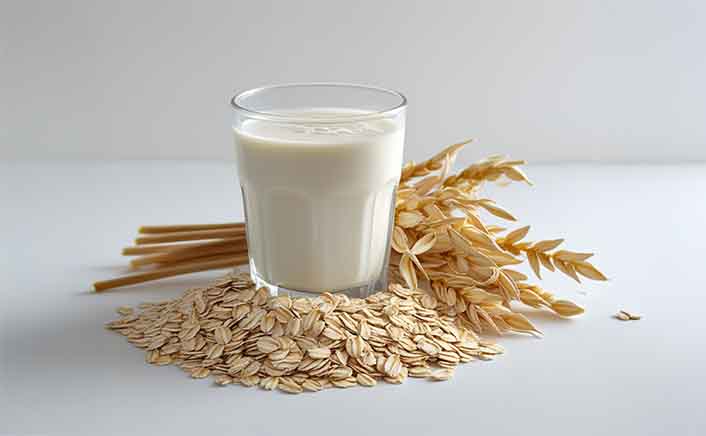
The U.S. Oat Milk Market is projected to grow from USD 1.67 billion in 2025 to USD 3.53 billion by 2033, expanding at a CAGR of 9.8% during the forecast period. Rising demand for dairy alternatives, increasing adoption of barista-grade oat milk by cafés, and the expansion of private-label plant-based beverages across major retail chains are driving sustained market growth in the United States.
Oat milk is a plant-based beverage produced primarily from oats and water. It is increasingly positioned as a mainstream alternative to dairy milk and other plant-based beverages such as almond and soy milk. The category has gained strong commercial traction because of its neutral taste profile, creamier texture, and compatibility with specialty coffee beverages. Oat milk also benefits from sustainability-driven consumer preferences, as oat cultivation generally requires less water than almond cultivation.
The U.S. market is being strongly influenced by changing consumer dietary patterns and rising awareness of lactose intolerance. According to the National Institutes of Health, nearly 36% of Americans experience some degree of lactose malabsorption, contributing to a stronger demand for dairy-free beverages. In addition, flexitarian consumption trends are reshaping the plant-based food industry, with consumers increasingly reducing their dairy intake without fully adopting a vegan diet. This has expanded demand for oat milk beyond niche, health-focused consumers into mainstream households.
Foodservice adoption remains one of the most important growth catalysts for the industry. Oat milk’s ability to froth effectively in lattes and espresso-based beverages has made it a preferred option across cafés and specialty coffee chains. Starbucks expanded its oat milk offerings nationwide following strong consumer demand for plant-based beverages. At the same time, independent cafés and regional coffee chains continue to integrate oat milk into their core beverage menus. The café segment has become particularly important for premium oat milk brands because barista-grade products command higher margins and strengthen consumer trial rates.
Retail distribution has also expanded significantly across the United States. Major retailers, including Walmart, Costco, Kroger, and Target, have increased shelf allocation of refrigerated and shelf-stable oat milk in response to rising household demand. Private-label expansion is further accelerating category penetration, as retailers introduce lower-cost alternatives to premium imported brands. This pricing diversification is helping oat milk transition from a premium urban beverage into a broader mass-market grocery category.
The market is also benefiting from product innovation focused on nutrition and functionality. Manufacturers are increasingly launching high-protein, low-sugar, fortified, and organic oat milk variants targeting wellness-oriented consumers. Functional positioning has become especially important as consumers seek beverages containing added calcium, vitamin D, and fiber. Industry participants are also investing in cleaner ingredient formulations and improved texture stability to drive repeat purchases and enhance compatibility with foodservice.
Pricing remains a critical competitive factor across the industry. The average selling price of oat milk in the U.S. reached nearly USD 2.45 per liter in 2025, reflecting premium positioning relative to conventional dairy milk. Refrigerated barista-grade formulations continue to command the highest prices due to demand from specialty cafés and cold-chain logistics costs. However, increasing private-label competition is placing downward pressure on pricing premiums across mainstream retail channels.
The competitive landscape remains moderately fragmented, with global and domestic players competing through innovation, distribution scale, and café partnerships. Premium brands continue focusing on sustainability messaging, while mainstream food companies are leveraging established grocery relationships to accelerate category expansion. Product differentiation through flavor innovation, clean-label positioning, and functional nutrition claims is becoming increasingly important as retail competition intensifies.
Regionally, the Western United States remains the largest consumption hub due to stronger adoption of plant-based foods, denser café networks, and higher penetration of premium grocery stores. However, Southern and Midwestern markets are emerging as important long-term growth regions as retailers expand the availability of plant-based beverages and consumer awareness increases beyond traditional early-adoption urban centers.
As competition within the dairy alternatives industry intensifies, oat milk manufacturers are increasingly prioritizing operational scale, pricing optimization, and premium product innovation. Continued growth in café integration, mainstream grocery penetration, and health-focused consumer purchasing behavior is expected to support long-term expansion of the U.S. oat milk market through 2033.