U.S. Lactose-Free Dairy Market to Reach USD 7.3 Billion by 2033 as Premiumization and Digestive Health Trends Drive Growth
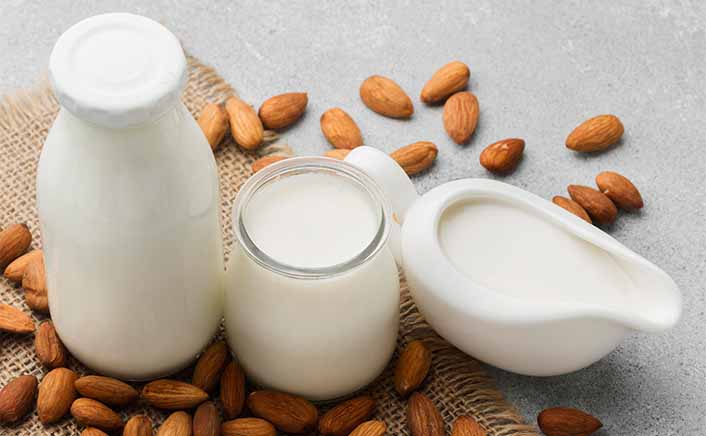
Lactose-free Dairy Products are processed using lactase enzymes that break down lactose into easily digestible sugars, allowing consumers to retain the nutritional benefits of dairy without digestive discomfort. In the U.S., this category is supported by a large base of lactose-intolerant consumers, estimated at over 100 million people. However, the market’s expansion is increasingly influenced by lifestyle adoption, with a growing segment of consumers choosing lactose-free products for perceived digestive and wellness benefits rather than medical necessity alone.
One defining characteristic of this market is its premium pricing. Lactose-free milk typically commands a 25–55% price premium over conventional milk, with leading products such as Fairlife positioned as high-protein, value-added offerings. This premiumization strategy has helped dairy companies offset the significant decline in per capita milk consumption over the past several decades. By shifting focus from volume to value, manufacturers are capturing higher margins while maintaining consumer relevance.
Retail dynamics are critical to shaping the market. Major U.S. retailers, including Walmart, Kroger, and Costco, have expanded shelf space for lactose-free products, often placing them alongside organic and functional dairy rather than alongside traditional milk. This strategic placement reinforces the perception of lactose-free dairy as a premium category. Additionally, the rise of private-label lactose-free products has increased affordability and accessibility, intensifying competition and supporting broader market penetration.
From a consumer perspective, purchasing decisions are driven by digestive health, nutritional value, and taste. Unlike plant-based alternatives, lactose-free dairy retains the flavor and protein profile of conventional milk, giving it a competitive advantage among consumers who want the familiarity of conventional milk without discomfort. High-protein formulations and ultrafiltered milk products have further strengthened this positioning, appealing to fitness-conscious and health-oriented consumers.
Despite its strong growth trajectory, the market faces competition from plant-based dairy alternatives such as almond and oat milk, which continue to gain traction due to environmental and ethical considerations. However, lactose-free dairy maintains a distinct position by addressing physiological intolerance while preserving the core attributes of traditional dairy. This differentiation ensures continued relevance, particularly among consumers who prioritize nutrition and taste over plant-based attributes.
Market opportunities focus on product diversification and channel expansion. Although lactose-free milk accounts for most revenue, categories such as cheese, yogurt, and ice cream remain underpenetrated and offer significant growth potential. The foodservice sector also presents an emerging opportunity, as restaurants and cafes increasingly accommodate dietary preferences and restrictions. Furthermore, integrating lactose-free claims with other functional benefits, such as probiotics and organic certification, is expected to drive innovation and attract a broader consumer base.
The competitive landscape is moderately consolidated, with leading players leveraging scale, brand strength, and distribution to maintain market share. Companies such as Dairy Farmers of America and Lactalis Group dominate through extensive supply chains, while Coca-Cola Company has established a strong premium presence with its Fairlife brand. Strategic investments in production capacity and product innovation continue to shape the competitive environment, supporting steady, competitive growth.
Overall, the U.S. lactose-free dairy market reflects a broader transformation in the dairy industry, where health-driven consumption, premium pricing, and retail strategy converge to create a resilient and evolving category. As consumer preferences shift toward functional and digestible products, lactose-free dairy is expected to remain a key growth driver in the value-added dairy segment through 2033.