Rising demand for functional beverages and premium formulations is driving growth in the U.S. energy drinks market.
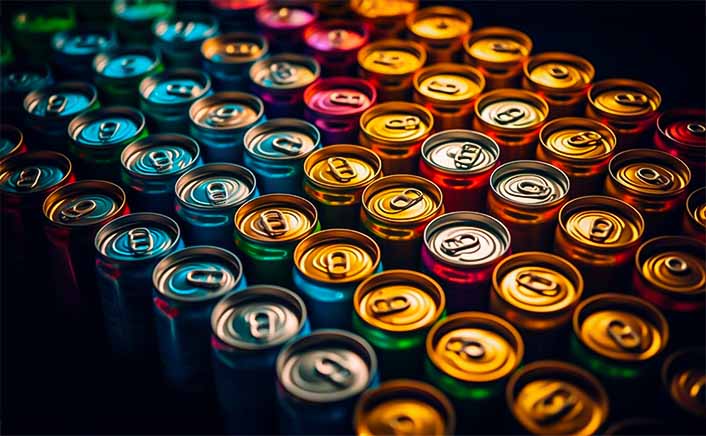
The United States remains one of the most significant and mature markets for energy drinks, driven by strong consumer demand for functional beverages that boost alertness, stamina, and productivity. The market benefits from widespread availability in convenience stores, supermarkets, and online retail platforms, as well as increasing acceptance of sugar-free and premium energy drink options.
The U.S. Energy Drinks Market was valued at USD 24.0 billion in 2024 and is expected to reach about USD 45.0 billion by 2032, growing at a compound annual growth rate (CAGR) of 8.1% during the forecast period. This represents an increase of nearly USD 21.0 billion, demonstrating the strong revenue potential within the category.
The market’s growth is increasingly driven by value rather than volume, supported by premium pricing, product innovation, and a favorable price mix. Traditional and sugar-free ready-to-drink energy drinks continue to lead the market in revenue, driven by high purchase frequency, strong brand recognition, and broad retail presence. The growing availability of multipack formats and functional ingredient formulations further boosts higher average selling prices.
-
Strong demand for functional and performance-oriented beverages continues to support market expansion in the U.S.
The U.S. energy drinks market is thriving due to ongoing consumer demand for beverages that boost energy, enhance focus, and improve overall physical performance. Longer working hours, active lifestyles, and greater involvement in fitness and recreational activities are driving increased consumption across various occasions. Energy drinks have shifted from niche performance products to mainstream functional beverages, maintaining steady demand among a wide range of consumers.
Manufacturers are also broadening their product ranges to address various lifestyle needs, such as work productivity, sports and fitness, and on-the-go convenience. This diversification supports the market's steady growth and helps reach more consumers.
-
Premiumization and sugar-free formulations are driving value-led growth in the market
Premiumization remains a significant trend shaping the U.S. energy drinks market. Sugar-free and low-calorie energy drinks have shifted from niche products to main product lines, reflecting increasing awareness of sugar consumption and nutritional transparency. These products often fetch higher prices, leading to faster value growth than volume increases.
Additionally, including functional ingredients like vitamins, amino acids, and botanical extracts helps brands set their products apart and justify higher prices. Consequently, the market continues to see gains in average selling prices, supporting long-term revenue growth.
-
Offline retail continues to dominate, while online channels add disproportionately to growth.
Convenience stores and supermarkets still account for most energy drink sales in the United States, driven by impulse buys and strong demand for single-serve options. Convenience stores, in particular, are key because of high foot traffic and on-the-go drinking habits.
At the same time, online retail is becoming an essential growth channel. Digital platforms support bulk purchases, subscription services, and access to premium and niche products, allowing online sales to grow faster than traditional offline channels. Although online retail currently accounts for a smaller portion of total sales, it is expected to play an increasingly significant role in value growth during the forecast period.
-
Regional lifestyle trends and retail infrastructure still shape market performance.
Energy drink demand varies across U.S. regions due to differences in lifestyle habits, weather, commuting patterns, and retail density. Areas with greater convenience store presence and longer commutes continue to account for a significant share of total consumption. Urban areas and college markets are seeing increased interest in sugar-free and premium options, reflecting greater health consciousness and a willingness to try new products.
These regional dynamics affect distribution strategies, promotional efforts, and product positioning, highlighting the importance of geographic considerations for manufacturers and retailers nationwide.
-
Product innovation and formulation improvements are boosting the long-term market outlook.
Ongoing innovation in flavors, packaging, and formulation supports sustained growth in the U.S. energy drinks market. Manufacturers focus on cleaner ingredient labels, fewer artificial additives, and functional improvements to meet changing consumer expectations. These formulation trends help brands retain loyal customers while attracting new users seeking functional, healthy beverage options.
As the market continues to mature, innovation-driven differentiation and strategic channel expansion are expected to be crucial in sustaining the projected 8.1% CAGR through 2032.
Competitive Landscape
Some of the major companies operating in the U.S. energy drinks market include Monster Beverage Corporation, PepsiCo (Rockstar), Red Bull, Celsius Holdings, Keurig Dr Pepper, Bang Energy, REIGN (Monster), NOS Energy, and other emerging and niche brands.