Turning Organic Waste into Renewable Energy: Biogas Opportunities in 2026
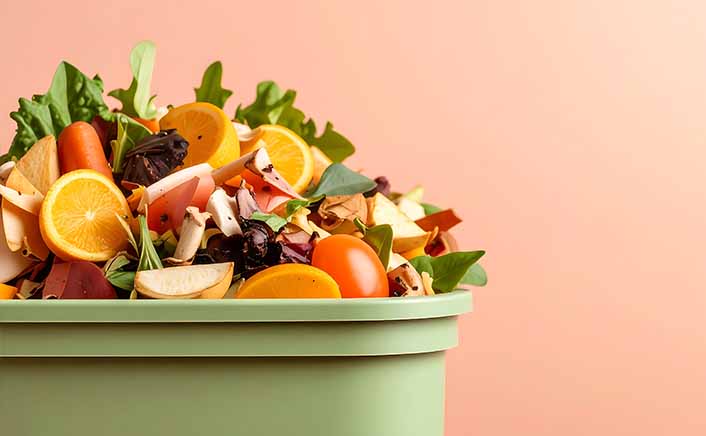
The U.S. food waste recycling market has developed into a complex ecosystem where food waste is increasingly recognized not as a burden but as a valuable resource that can produce a variety of high-value outputs. Organic fertilizers and soil amendments hold a significant position in this market, making up about 30% of the total output. These products primarily come from various composting methods, including aerobic, in-vessel, and windrow composting, as well as vermicomposting. By providing essential nutrients for agriculture and landscaping, enhancing soil health, and reducing dependence on synthetic fertilizers, organic fertilizers have become a crucial element of sustainable agricultural practices. Their popularity in both urban and rural areas has driven investments in large-scale composting infrastructure and technology, reinforcing the importance of organic fertilizers within the food waste recycling landscape.
Simultaneously, biogas production accounts for roughly 20% of the market, emerging as a vital energy recovery pathway that converts organic waste into renewable electricity and heat. Through anaerobic digestion, food waste is transformed into methane-rich biogas, which can be utilized on-site or connected to local energy grids. This process not only diverts significant amounts of food waste from landfills but also mitigates greenhouse gas emissions by preventing methane release that would occur from decomposing waste. The increasing acknowledgment of renewable energy's potential has led municipalities and private companies to invest in anaerobic digestion facilities, further bolstering the U.S. food waste recycling market and its role in energy sustainability.
Biomethane or renewable natural gas (RNG), which makes up about 10% of the output, has gained popularity as a higher-value product derived from biogas. Upgrading biogas to pipeline-quality RNG allows its use as a clean fuel for transportation, industrial processes, and local energy networks. Incentives from federal and state renewable energy policies have spurred investment in biomethane upgrading technologies, making this segment an increasingly important aspect of the U.S. food waste recycling market. Additionally, the sector is diversifying into high-value nutritional products, such as animal feed and protein/lipid extracts, which account for approximately 8% and 7% of total output, respectively. Food waste primarily from restaurants, supermarkets, and food processing industries is now being processed through technologies like Black Soldier Fly Larvae (BSFL) and enzyme-based hydrolysis to yield high-protein feed and lipid extracts for aquaculture, livestock, and industrial uses. This approach aligns with circular economy principles by converting previously discarded materials into sustainable, marketable commodities while alleviating pressure on traditional feed sources.
Compost tea and biofertilizer liquids, although representing around 5% of the market, are emerging as an important segment catering to organic farming, horticulture, and specialized landscaping. These liquid products are rich in nutrients and beneficial microbes, promoting plant growth and soil biodiversity. Their adoption is increasing among small-scale commercial operators and urban farming initiatives, injecting innovation and specialization into the food waste recycling market.
Furthermore, other by-products such as biochar, industrial chemicals, and specialty biochemicals from processes like pyrolysis, gasification, fermentation, and enzyme hydrolysis collectively make up approximately 20% of the market. These by-products exemplify ongoing innovation in the sector, where advanced technologies transform food waste into various applications spanning agriculture, energy, and industrial biochemistry.
The variety of outputs in the U.S. food waste recycling market signals a broader commitment to circular economy principles and resource efficiency. Companies and municipalities are increasingly harnessing these outputs not only for environmental benefits but also to drive economic growth. Organic fertilizers and compost products are marketed to agricultural producers, landscapers, and urban farming projects, creating consistent revenue streams. Biogas and biomethane contribute to energy production, providing a renewable alternative while generating carbon credits and compliance advantages. The high-value protein and lipid extracts derived from BSFL and enzyme hydrolysis processes are sold to the feed and chemical industries, opening new revenue channels. Even compost teas and biofertilizer liquids form niche revenue streams while reinforcing sustainability narratives for businesses that adopt these products.
Investment and policy support further strengthen the market's growth trajectory. Federal and state regulations that incentivize landfill diversion, renewable energy production, and sustainable waste management practices have facilitated the widespread adoption of food waste recycling initiatives.