Structural Shift in U.S. Diesel Engine Demand Across Below 50 HP to Above 750 HP Power Rating Segments
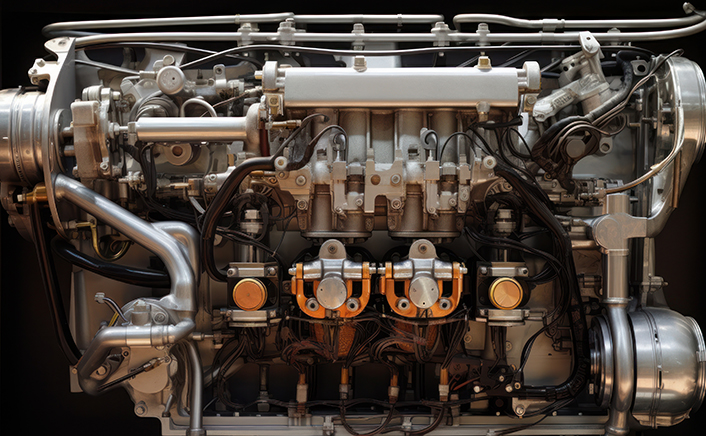
The engine power rating structure in the U.S. Diesel Engine Market illustrates a distinct demand profile that is increasingly shaped by application intensity, regulatory constraints, and pressures from electrification, rather than by a uniform growth in horsepower. The 301–750 HP segment currently captures the largest share of demand, closely aligning with the operational needs of heavy-duty construction equipment, medium-to-large agricultural machinery, and industrial power generation systems that require sustained torque and high-duty cycle performance. This segment enjoys relatively stable replacement demand cycles, particularly in infrastructure-focused sectors such as road construction, commercial development, and public utilities, where diesel engines are recognized for their reliability under varying load conditions. Leading OEMs like Caterpillar and Cummins dominate this segment by providing integrated engine-platform ecosystems that combine durability with aftertreatment systems compliant with EPA Tier 4 Final standards.
In contrast, the segment above 750 HP, while smaller in unit volume, holds significant strategic importance due to its applications in mission-critical areas such as mining, marine propulsion, large-scale power generation, and oil & gas. These engines are characterized by their high torque output, long lifespans, and the need for custom engineering, which drives up average selling prices and profit margins. Demand in this category remains relatively insulated from immediate electrification trends, as battery-electric systems are currently unsuitable for ultra-heavy industrial operations, particularly in remote or off-grid locations. Nevertheless, this segment is gradually facing indirect pressure from initiatives like hybridization and alternative fuel transitions, including the adoption of renewable diesel in stationary and marine settings.
The 151–300 HP range serves as a bridge between light industrial users and medium-scale commercial applications. It is widely used in medium-duty trucks, compact machinery, and agricultural tractors, making it vulnerable to fluctuations in freight cycles and agricultural mechanization trends. Although this segment is facing moderate long-term pressure from the growing electrification of medium-duty vehicles and hybrid powertrains in municipal and logistics fleets, its decline is not as rapid as that of light-duty segments, given that many off-highway applications still depend on diesel’s high energy density and operational endurance.
The 50–150 HP segment is primarily fueled by light commercial vehicles, small construction equipment, and agricultural utility machines. This segment is encountering significant structural pressure from electrification, especially within urban logistics and last-mile delivery, where electric vehicles are quickly reaching cost parity. Fleet operators are increasingly transitioning to battery-electric alternatives due to lower maintenance needs and supportive policy incentives, which is contributing to declining diesel penetration rates. Nonetheless, demand in rural and remote applications continues to sustain a baseline, where limitations in charging infrastructure hinder electrification adoption.
The below 50 HP segment represents the smallest market share and is largely limited to niche applications such as compact equipment, small generators, and specialized industrial tools. This segment is witnessing the fastest decline relative to others, as it can be readily replaced by electric motors and battery-powered systems, which offer improved efficiency, reduced noise, and lower emissions. As a result, OEMs are gradually phasing out diesel offerings in this range or repositioning them for specialized industrial or export markets.
A notable trend observed across all power rating segments is the “polarization effect,” where demand is increasingly focused at both ends of the spectrum high-power (>750 HP) and mid-heavy duty (301–750 HP) while mid-to-low horsepower categories face challenges from electrification and efficiency optimization. This transition is further reinforced by tightening EPA emission standards that disproportionately increase compliance costs for smaller engines, making them less economically viable when compared to electric alternatives. Additionally, OEMs are realigning their strategies toward electrified platforms, which is accelerating the decline of lower horsepower diesel categories as companies like John Deere and PACCAR shift their R&D investments toward hybrid drivetrains and alternative fuel technologies.
In summary, the U.S. diesel engine market is moving away from a broad horsepower-driven framework toward a more segmented, application-focused demand structure. This shift, where high-power industrial resilience compensates for declining light-duty penetration, is expected to persist through 2033.