Construction, Automotive, and Industrial Machinery Driving Copper Scrap Demand in the U.S.
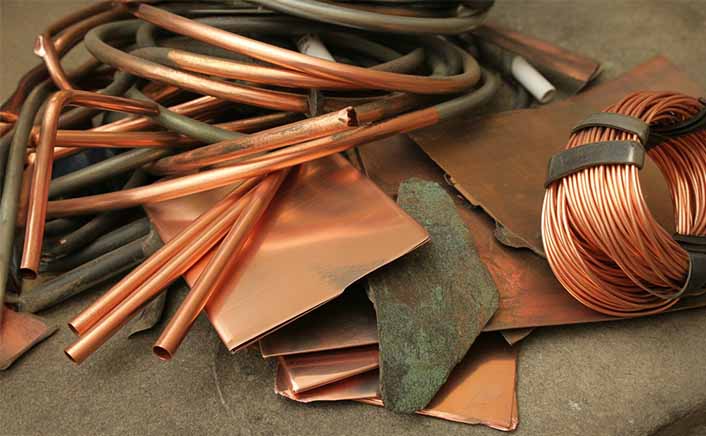
The U.S. Copper Scrap Market showcases a well-defined end-use segmentation that highlights the various applications of copper across essential industrial and consumer sectors. Recent data indicates that the market is primarily driven by applications in the electrical and electronics sector, which comprises roughly 35% of total copper scrap utilization. This prominence arises from copper’s remarkable electrical conductivity and durability, rendering it essential for wiring, cabling, electric motors, transformers, and other vital electronic components. The surge in consumer electronics, industrial machinery, and particularly electric vehicles has notably boosted the demand for copper, thereby stimulating the recycling of scrap to address both cost and sustainability targets. As electronic devices reach the end of their useful lives, post-consumer scrap, including printed circuit boards (PCBs), connectors, and wiring, becomes a crucial resource, fostering the circular economy and supporting environmental compliance initiatives. Additionally, post-industrial scrap generated from electronics manufacturing helps to further bolster the supply chain, enhancing overall material availability.
In 2023, recycled copper totaled 280,500 metric tons, expected to grow to 572,721 metric tons by 2033, driven by higher scrap recovery and industrial demand
Following the electrical and electronics segment, the construction and infrastructure sector ranks as the second-largest end-use segment, accounting for about 30% of the copper scrap market in the U.S. This segment covers applications such as plumbing, HVAC systems, building wiring, and roofing components, all of which significantly depend on copper’s corrosion resistance, thermal conductivity, and durability. The ongoing trend of urbanization, coupled with infrastructure development and the retrofitting of existing buildings with energy-efficient wiring solutions, has led to an increase in copper consumption within the construction domain. Recycling post-industrial copper from manufacturing offcuts, along with post-consumer scrap derived from demolition and renovation projects, ensures a reliable supply of secondary copper for this sector. With the U.S. committed to infrastructure modernization and energy-efficient construction practices, the construction segment is expected to maintain steady demand for recycled copper in the coming decade.
Meanwhile, the automotive sector, which constitutes approximately 15% of the total market share, has emerged as a rapidly growing driver of copper scrap demand. The rise of electric vehicles (EVs) has substantially increased the copper content required per vehicle, with an average EV necessitating about 80 kilograms of copper for batteries, wiring, and electric motors. Traditional internal combustion engine vehicles utilize significantly less copper, but the automotive industry's shift toward electrification has heightened the need for high-quality copper scrap. Post-industrial scrap from manufacturing, along with materials from end-of-life vehicles, contributes significantly to the copper recycling ecosystem. As a result, strategic partnerships between automakers and scrap processors are increasingly crucial to ensuring a consistent, high-purity supply of copper that meets the specific demands of EV components, which are sensitive to material quality and conductivity.
The industrial machinery segment, representing 12% of the market, is another key area of end-use. This sector includes motors, generators, transformers, and other heavy equipment that depend on copper for efficiency, heat dissipation, and mechanical durability. Industrial machinery generates post-industrial scrap during production, which can be efficiently collected, processed, and reintroduced into manufacturing cycles. While this segment has a smaller market share compared to electronics and construction, it remains stable, driven by the ongoing demand for reliable machinery across manufacturing, energy, and heavy industries.
Lastly, consumer goods account for around 8% of the market, encompassing a broad range of applications such as household appliances, electronic gadgets, and small electrical devices. Individually, these items contain less copper compared to industrial applications; however, the sheer volume of units produced annually creates a significant cumulative demand. Recycling initiatives in this category are gaining traction due to stricter e-waste regulations, environmental sustainability practices, and corporate responsibility programs aimed at minimizing the environmental impact of consumer electronics.
Overall, the end-use segmentation of the U.S. copper scrap market reflects a balanced ecosystem where high-volume sectors like electrical and electronics and construction dominate, while automotive, industrial machinery, and consumer goods provide stable and growing demand. With increasing recycling rates and rising copper consumption linked to electrification and infrastructure development, the market is well-positioned for consistent growth. Moreover, the integration of circular economy principles, advancements in scrap processing technology, and stronger supply chain connections ensure that the U.S. copper scrap market will continue to play a crucial role in supporting industrial production, sustainability objectives, and economic efficiency in the future.