U.S. Autonomous Shuttle Market to Reach USD 0.83 Billion by 2033 Amid Smart Mobility Expansion and Autonomous Transit Deployment.
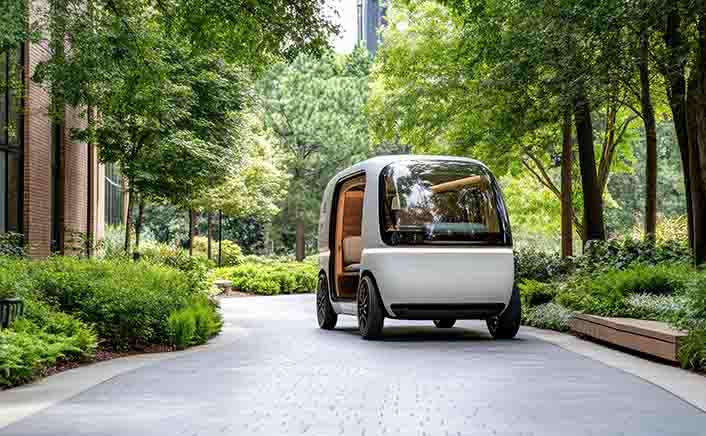
The U.S. Autonomous Shuttle Market is entering a period of accelerated commercialization as public and private transportation operators increasingly adopt autonomous mobility solutions to improve operational efficiency, address labor shortages, and enhance transportation accessibility. The market was valued at USD 0.19 Billion in 2025 and is projected to reach USD 0.83 billion by 2033, registering a CAGR of 20.1% during the forecast period.
Autonomous shuttles are self-driving passenger vehicles, primarily operating at SAE Level 4 autonomy, designed for deployment across airports, university campuses, healthcare facilities, industrial parks, corporate campuses, mixed-use developments, and municipal transit corridors. These vehicles provide first- and last-mile transportation services while reducing reliance on the traditional transit workforce. As transportation agencies and infrastructure operators seek cost-effective mobility alternatives, autonomous shuttle deployment is gaining momentum across multiple end-use environments.
The market recorded sales of 400 autonomous shuttle units in 2025 and is forecast to reach 1,470 units by 2033. Growth is being driven by increasing investment in smart-city infrastructure, advancements in autonomous driving technologies, the expansion of connected transportation networks, and the growing demand for sustainable mobility solutions. Public transit operators and municipalities are increasingly exploring autonomous shuttles to extend transportation coverage while managing rising operating costs and workforce shortages.
Airport transportation modernization has emerged as one of the most significant catalysts for market growth. Major U.S. airports continue to invest in enhancing the passenger experience, improving terminal connectivity, and automating transportation infrastructure. Autonomous shuttles are increasingly being evaluated for landside transportation, parking connectivity, and passenger transfer services due to their ability to improve efficiency while reducing long-term operational expenses. The modernization of airport mobility infrastructure is expected to create substantial procurement opportunities through the forecast period.
University campuses and healthcare facilities are currently among the most active deployment environments for autonomous shuttles. These locations offer controlled operating conditions, predictable transportation routes, and high passenger demand, making them well-suited for autonomous vehicle operations. Educational institutions are increasingly utilizing autonomous transportation to improve accessibility and campus connectivity, while healthcare facilities are exploring deployment opportunities to enhance patient and visitor mobility services.
Technology innovation continues to play a critical role in market development. Modern autonomous shuttles utilize advanced sensor fusion architectures integrating LiDAR, radar, cameras, GPS, high-definition mapping systems, and artificial intelligence-based perception software. These technologies improve environmental awareness, route planning accuracy, and operational safety. As autonomous software platforms continue to mature, shuttle operators are achieving greater reliability and operational consistency across increasingly complex deployment environments.
The industry is also witnessing growing adoption of remote operations and fleet orchestration platforms. Operators are increasingly utilizing centralized command centers that enable human supervisors to monitor multiple autonomous vehicles simultaneously, optimize fleet performance, and intervene when necessary. These systems are becoming a key component of commercial deployment strategies and are helping accelerate regulatory acceptance of autonomous transportation services.
Municipal governments are increasingly incorporating autonomous transportation into broader smart city and intelligent mobility initiatives. Several cities are evaluating autonomous shuttles as solutions for first-mile and last-mile transportation challenges, particularly in underserved areas where conventional transit services may be economically difficult to sustain. The combination of autonomous mobility, connected infrastructure, and digital transportation management systems is creating new opportunities for scalable deployment models across urban and suburban environments.
Industrial facilities, logistics centers, and corporate campuses are emerging as another important growth segment. These environments often operate private transportation networks and require efficient workforce mobility solutions. Autonomous shuttles can improve transportation efficiency, reduce operating costs, and support workforce movement within large facilities, creating attractive deployment opportunities for mobility providers and technology developers.
The competitive landscape remains moderately concentrated, with leading participants including May Mobility, EasyMile, Navya, Beep, Oxa, and Aurrigo. Companies are increasingly competing through software capabilities, deployment experience, fleet management services, and strategic partnerships rather than vehicle hardware alone. Strategic collaborations with municipalities, airports, universities, and infrastructure providers continue to play a critical role in securing long-term deployment opportunities and expanding commercial operations.
Looking ahead, continued advances in artificial intelligence, sensor technologies, vehicle connectivity, and remote fleet supervision are expected to strengthen the commercial viability of autonomous shuttle services. Growing investment in intelligent transportation systems, expansion of smart mobility infrastructure, and increasing demand for automated passenger transportation solutions are expected to support sustained market growth through 2033. As autonomous transportation becomes an increasingly important component of next-generation mobility ecosystems, autonomous shuttles are positioned to play a critical role in reshaping passenger transportation across the United States.