The U.S. Allulose Market Is Set to Grow at a CAGR of 14.5%, Reaching USD 490 Million by 2033, as Food Companies Accelerate Sugar Reduction Strategies.
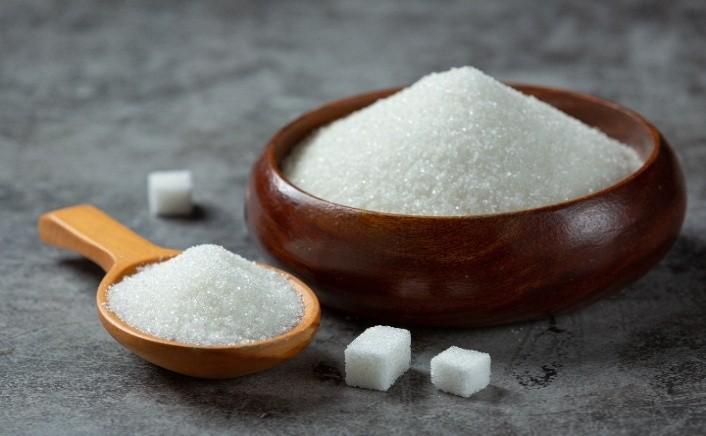
A quiet shift is underway in how sweetness is engineered in the United States. For decades, reducing sugar meant compromising taste or relying on artificial substitutes. That trade-off is now being challenged by allulose, a rare sugar that behaves like sucrose but carries negligible calories and minimal glycemic impact. What began as a niche ingredient is now moving into mainstream food manufacturing, driven by regulatory clarity, health trends, and improving production economics.
The U.S. Allulose Market valued at USD 170 million in 2025, is projected to reach USD 490 million by 2033, expanding at a CAGR of 14.5%. In volume terms, the market is expected to grow from 32,700 tons to over 111,400 tons during the same period, indicating a shift from specialty usage to large-scale adoption of the ingredient. This shift reflects not just rising demand, but also declining costs and increased manufacturing capacity.
Regulation Is Reshaping the Economics of Sweetness
The defining catalyst for allulose adoption in the United States is the U.S. Food and Drug Administration's regulatory stance. By excluding allulose from “Total Sugars” and “Added Sugars” on nutrition labels, regulators have effectively given manufacturers a tool to improve product labeling without sacrificing taste. This has direct commercial implications, particularly in categories where front-of-pack claims influence purchasing decisions.
Food and beverage companies are responding by reformulating products to meet consumer expectations around sugar reduction while maintaining sensory quality. Unlike many alternative sweeteners, allulose offers a similar texture, browning, and mouthfeel to sugar, making it suitable for a wider range of applications.
From Niche Ingredient to Industrial-Scale Demand
The market’s growth trajectory is closely tied to its expanding role in packaged foods and beverages. Ready-to-drink protein beverages, flavored functional waters, and nutrition bars are among the leading categories adopting allulose. These segments can absorb higher ingredient costs due to premium positioning and strong consumer demand for low-calorie products.
At the same time, volume growth is outpacing value growth, signaling structural change. While market value grows at 14.5%, volume expands at a faster pace due to declining prices—from around USD 5,200 per ton in 2025 to approximately USD 4,400 per ton by 2033. This price compression is a result of capacity expansion and improved production efficiency, allowing allulose to move beyond niche applications.
Companies such as Ingredion Incorporated and Tate & Lyle are scaling production and integrating allulose into broader sweetener portfolios. Meanwhile, innovators like Bonumose LLC are working on enzyme technologies that could further reduce production costs and expand supply.
Cost and Awareness Remain Key Constraints
Despite strong momentum, challenges remain. Allulose is still more expensive than conventional sweeteners such as sugar and erythritol, limiting its use in high-volume, price-sensitive categories like mainstream soft drinks. In addition, consumer awareness outside health-focused segments is still developing, which slows retail-driven demand.
Supply concentration is another factor, with production largely dependent on a limited number of large-scale facilities. However, ongoing investments and partnerships are gradually addressing these constraints, improving both availability and cost efficiency.
What Comes Next: Broader Adoption Across Food Categories
Looking ahead, the next phase of growth will depend on how quickly allulose can penetrate mass-market applications. Beverages remain the most immediate opportunity, as manufacturers seek solutions that balance taste, cost, and labeling advantages. Nutraceutical and medical nutrition products also represent a high-potential segment, particularly for diabetic-friendly formulations.
As production scales and prices decline, allulose is expected to move into a wider range of food categories, including dairy, sauces, and baked goods. The market’s evolution from a niche ingredient to a mainstream sugar alternative is already underway, supported by regulatory backing, technological progress, and shifting consumer preferences.
In a market where labeling, taste, and health claims increasingly define success, allulose is positioned not just as a substitute but as a strategic ingredient shaping the future of sweetness in the United States.