Training Pants and Pull-Ups: The Rising Trend in Toddler Potty-Training Solutions
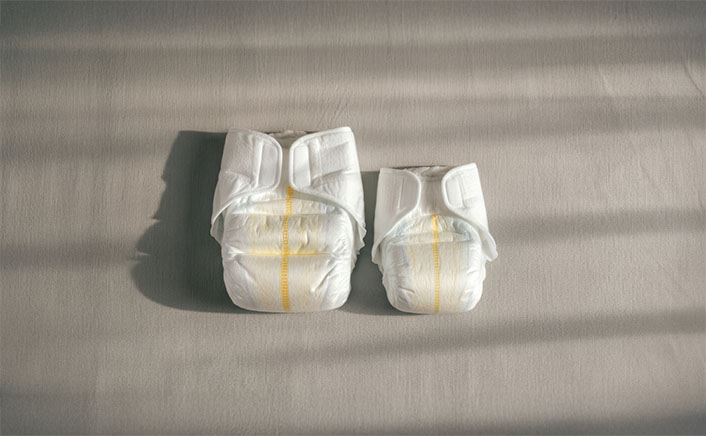
The U.S. Baby Diapers Market is significantly influenced by product type, with disposable diapers prominently leading the sector. Accounting for approximately 80% of the market, disposable diapers are favored for their convenience, hygiene benefits, and alignment with modern parental lifestyles, particularly among urban and suburban households where working parents prioritize time efficiency. These single-use products offer superior absorbency, leak protection, and comfort, making them the preferred choice for the majority of families. Leading brands like Pampers and Huggies have solidified this dominance through ongoing product innovation, including features such as ultra-absorbent cores, wetness indicators, and hypoallergenic options. Their availability in bulk through supermarkets, hypermarkets, and online subscription services fosters brand loyalty and encourages repeat purchases.
In contrast, cloth diapers represent a smaller but steadily expanding segment, capturing around 10% of the market. Historically viewed as less convenient, cloth diapers have witnessed a resurgence due to growing sustainability concerns. With an increasing number of parents opting for reusable options that minimize landfill waste and exposure to synthetic materials, innovative designs, including all-in-one and pocket diapers with adjustable sizing, have enhanced their practicality and comfort for daily use. This segment is particularly attractive to eco-conscious millennial and Gen Z parents who are focused on long-term cost savings and environmental responsibility. Despite their limited market share, cloth diapers are strategically significant, aligning with trends toward sustainable consumption while supporting premiumization through high-quality, natural-material products that command better margins.
Training pants, commonly known as pull-ups, account for about 7% of the market and fulfill a transitional role for toddlers during the potty-training phase. Their design combines the convenience of a disposable diaper with the pull-up functionality of underwear, catering to both parental ease and child independence. The popularity of training pants continues to grow as awareness of early childhood development and effective toilet-training techniques rises. This segment benefits from age-specific marketing and targeted packaging that appeals to toddlers, incorporating fun designs, beloved characters, or educational themes to promote consistent use. Additionally, training pants create opportunities for brands to enhance consumer engagement and basket size by cross-selling with wipes, rash creams, and other potty-training accessories.
Swim diapers form the smallest segment, making up roughly 3% of the market, and are primarily seasonal and specialized. Their use is restricted to swimming pools, beaches, and recreational water activities, which naturally limits volume compared to everyday diapers. Despite their small share, swim diapers are vital for public health compliance, as many public pools mandate their use for infants and toddlers. Market trends for swim diapers are influenced by seasonal recreational activities, regional water safety regulations, and product innovations that improve leak protection, quick-drying fabrics, and comfort. These products are often sold in multi-packs or bundled with swimwear, targeting niche consumer needs rather than general daily use.
Overall, the segmentation of the U.S. baby diapers market reveals a clear preference hierarchy, where disposables dominate thanks to their convenience and accessibility. Cloth diapers are gaining traction through sustainability and eco-friendly considerations, while training pants specifically meet the developmental needs of toddlers. Swim diapers cater to specialized recreational requirements. Although the majority of sales are driven by high-volume disposable products, the growth of premium, eco-friendly, and specialty segments reflects evolving consumer preferences for higher-quality, feature-rich, and environmentally responsible options. Retail strategies—including subscription services, online direct-to-consumer sales, and strategic product placement in supermarkets and specialty stores—enhance accessibility across all segments. Companies that can effectively balance convenience, sustainability, and innovation are best positioned to capture emerging market opportunities, drive repeat purchases, and maintain a competitive edge in a market characterized by both maturity and dynamic, evolving consumer expectations. The interplay of these product types significantly shapes the broader U.S. baby diaper market by addressing practical and lifestyle-oriented consumer demands, ensuring continued growth and diversification.