Powering the Future: How Power Cables Drive 50% of Sweden's Cable Insulation Materials Demand
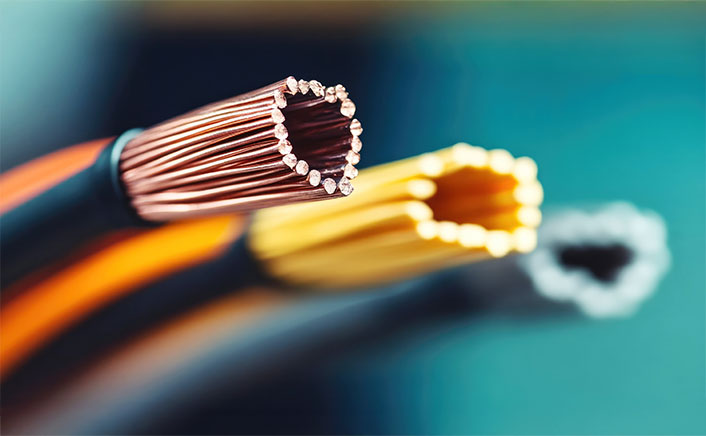
The segmentation of the Sweden Cable Insulation Materials Market by cable type reveals a demand landscape predominantly influenced by two parallel, state-prioritized national projects: the comprehensive overhaul of the energy system and the rigorous enforcement of public safety. Power Cables command a significant share (45-55%), serving as a direct indicator of the energy transition's material impact. This segment is not uniform; it is stratified by voltage levels, including low-voltage distribution for new residential and commercial areas, medium-voltage for grid reinforcement, and most notably, high- and extra-high-voltage (EHV) cables essential for long-distance transmission and subsea connections to offshore wind farms. The insulation material favored across this hierarchy is primarily Cross-Linked Polyethylene (XLPE), recognized for its optimal balance of electrical properties, durability, and compatibility with modern extrusion technologies. Consequently, the volume in this segment serves as an excellent proxy for national investment in fossil-free energy infrastructure, positioning it as the main growth driver and value pool for material suppliers.
Sweden cable insulation materials market recorded a sale of 10,500 tons in 2024 and is estimated to reach a volume of 18,044 tons by 2032 with a CAGR of 6.1% during the forecast period.
The considerable shares of Telecommunication & Data Cables (20-25%) and Building Wire & Installation Cables (15-20%) reflect the market's consistent foundational demand. The telecom segment benefits from Sweden's leadership in digitalization, with fiber optic deployment utilizing substantial quantities of polyethylene for protective tubes and sheathing. While this segment utilizes less expensive base polymers per ton compared to power cables, its high volume establishes a stable consumption baseline. Conversely, the building wire segment is significantly shaped by regulatory frameworks. Sweden's stringent fire safety codes have effectively created a landscape where Low-Smoke Zero-Halogen (LSZH) compounds have become the standard for most new installations in public spaces, marking a fundamental and enduring shift away from PVC. This regulatory environment transforms a typically cost-sensitive global segment into a vital market for higher-value, specialty compounds in Sweden.
The Specialty Cables segment (8-12%), though smaller in volume, holds strategic and technological importance. It encompasses the most demanding applications, including dynamic cables for floating offshore wind turbines that require exceptional fatigue resistance, shipboard cables that must meet oil and flame resistance standards, and fire survival cables for emergency systems. This segment functions as an innovation incubator and testing ground for advanced materials such as thermoset rubbers (EPR, silicone) and ultra-high-performance polymers, with requirements often cascading down to mainstream applications. Lastly, the Automotive & Transportation segment (3-7%) represents an emerging growth frontier, directly connected to the electrification of transport. It necessitates insulation capable of withstanding higher temperatures in electric vehicles and the mechanical stresses associated with charging infrastructure, thereby further propelling demand for advanced, heat-stabilized polyolefins and elastomers.
In summary, the cable type segmentation portrays a market characterized by a dual-core identity: a high-volume, project-driven powerhouse focused on establishing the new energy grid, and a regulation-driven, safety-oriented market for buildings and transportation. This structure delivers both stability through ongoing digital and construction demands and high growth potential via strategic investments in energy and mobility. The insulation material requirements across these segments collectively shape the unique characteristics of the Swedish market: elevated average selling prices resulting from the premium placed on XLPE and LSZH, a swift transition away from legacy materials like PVC, and a competitive environment where material performance under extreme conditions is the key value proposition.