Automotive Components Recycling in Southeast Asia: Transforming Post-Industrial Plastics into Sustainable Solutions
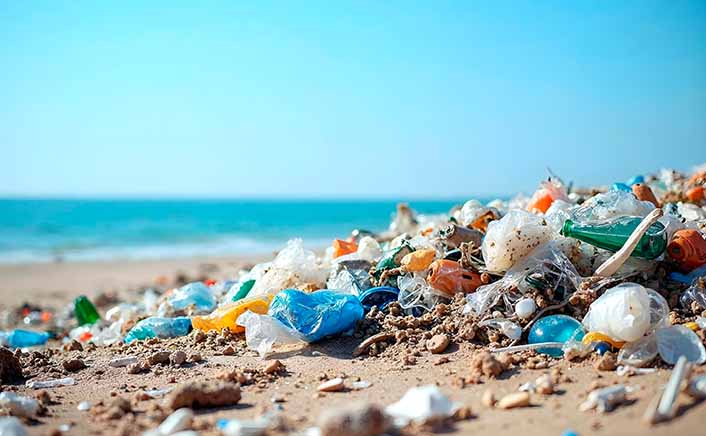
The Southeast Asia Plastic Recycling market is undergoing significant changes fueled by increasing awareness of environmental sustainability, rapid urbanization, and a growing volume of plastic waste generated throughout the region. In this market, packaging stands out as the dominant application, holding roughly 45% of the total market share. This dominance reflects the high consumption of single-use and rigid packaging materials, including PET bottles, HDPE containers, and flexible films. The explosive growth in e-commerce, food and beverage sectors, and consumer packaged goods has resulted in a remarkable increase in post-consumer packaging waste, presenting both challenges and opportunities for recycling companies. As packaging is the most commonly recovered type of plastic, recyclers are making substantial investments in mechanical and chemical recycling technologies to ensure a reliable supply of high-quality recycled PET, HDPE, and polypropylene resins that align with corporate sustainability goals. The demand for recycled packaging materials is further bolstered by multinational FMCG companies, which are increasingly committing to using a minimum of 30% recycled content in their products. This commitment is pushing the Southeast Asia Plastic Recycling market towards higher volumes and more organized recycling systems.
The automotive components segment, which constitutes about 15% of the market, presents a noteworthy opportunity for recycled polypropylene, ABS, and engineering plastics used in various applications, such as dashboards, interior panels, under-the-hood components, and exterior fittings. The expansion of the automotive sector, especially in Thailand, Indonesia, and Malaysia, has led to a consistent supply of post-industrial plastic waste that can be redirected into recycling channels. Advanced recycling methods, such as pyrolysis and depolymerization, are increasingly being adopted in this sector to manage complex polymer blends and high-value materials, ensuring that recycled plastics retain the necessary mechanical and thermal properties for automotive applications. This approach not only reduces reliance on virgin polymers but also supports corporate environmental compliance and promotes cost savings in raw material procurement.
The construction and building materials segment accounts for approximately 12% of the Southeast Asia Plastic Recycling market, where recycled plastics are utilized in pipes, insulation, roofing sheets, decking, and composite materials. The rapid growth of the construction sector, driven by urban development projects, affordable housing initiatives, and infrastructure expansion—particularly in Vietnam, Indonesia, and the Philippines—fuels demand for recycled plastics. These materials are favored for their durability, corrosion resistance, and environmental advantages. Additionally, government policies encouraging green building practices and sustainable construction are prompting contractors and manufacturers to integrate recycled plastics into their building materials, creating a steady demand landscape for recyclers.
In the electrical and electronics components sector, which holds around 8% of the market, materials like ABS, polycarbonate, and various engineering plastics are used for products such as housings, enclosures, switches, and cable insulation. As Southeast Asia solidifies its position as a global hub for electronics manufacturing, the volume of post-industrial plastic scrap is rising, providing recyclers with valuable feedstock suitable for both mechanical and chemical recycling processes. The implementation of advanced sorting technologies and automated separation systems is enhancing the purity and efficiency of material processing in this segment, ensuring compliance with strict quality standards and increasing the marketability of recycled plastics for high-performance applications.
The consumer goods and household products segment, accounting for approximately 12% of the market, encompasses a wide range of applications, including storage containers, furniture, kitchenware, toys, and more. The growing consumer preference for sustainable and eco-friendly products has motivated retailers and FMCG brands to incorporate recycled plastics into their offerings. Public awareness campaigns that underscore the environmental impact of plastic waste have further stimulated demand for products made from recycled materials. This shift in consumer behavior is encouraging the Southeast Asia Plastic Recycling market to enhance collection networks, improve sorting and processing technologies, and develop consistent, high-quality recycled resin streams suitable for consumer-facing applications.
Finally, the textiles and fibers segment makes up the remaining 8% of the market, primarily utilizing recycled PET and other polymers to produce fibers for apparel, carpets, upholstery, and industrial fabrics. Recycled PET fibers are increasingly being favored due to their comparable quality to virgin fibers, cost-effectiveness, and environmental benefits. The burgeoning fast fashion and textile industries, especially in Vietnam and Thailand, have driven an uptick in demand for recycled polymers, furthering the adoption of sustainable practices within the sector.