Saudi Arabia Steel Rebar Market to Reach USD 16.5 Billion by 2033, Driven by Infrastructure Expansion and Vision 2030 Investments
The Saudi Arabia Steel Rebar Market is positioned for sustained growth, reaching USD 10.2 billion in 2025 with consumption of 15.5 million tons, and projected to expand at a CAGR of 6.2% through 2033, according to recent market analysis. The market’s trajectory is closely tied to the Kingdom’s aggressive infrastructure and urban development agenda under Vision 2030, which continues to reshape demand patterns for construction materials.
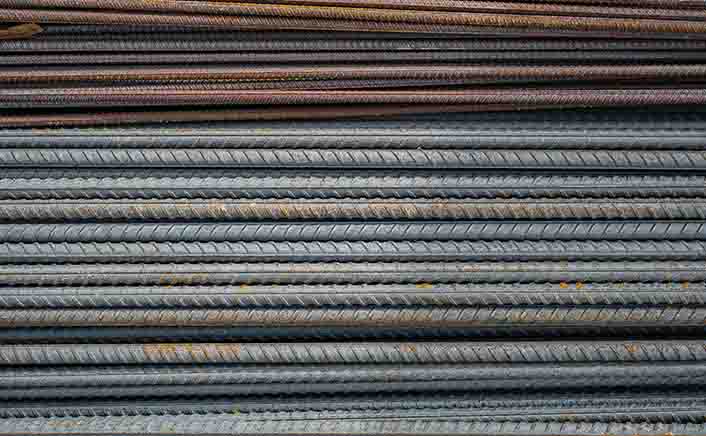
Steel rebar, a fundamental input used to reinforce concrete structures, remains indispensable across infrastructure, residential, and industrial construction. In Saudi Arabia, its demand is not driven by cyclical replacement patterns but by large-scale project execution. With annual construction output exceeding USD 120 billion, the country represents one of the most active construction markets globally. Mega projects such as NEOM, valued at USD 500 billion, alongside Red Sea Global and Diriyah Gate developments, are translating into sustained consumption of long steel products, particularly rebar.
The market has demonstrated steady volume expansion, with consumption increasing from 14.5 million tons in 2024 to 15.5 million tons in 2025, reflecting accelerated project execution across infrastructure and housing segments. Infrastructure remains the dominant application, accounting for nearly half of total rebar demand, supported by transport networks, logistics corridors, and urban development initiatives. Residential construction also contributes significantly, driven by government housing programs aimed at increasing home ownership rates.
Pricing dynamics continue to play a critical role in shaping market behavior. Steel rebar prices in Saudi Arabia have fluctuated between USD 650 and USD 800 per ton in recent years, influenced by global scrap and billet costs. As the domestic industry relies heavily on electric arc furnace (EAF)-based production, raw material price volatility directly impacts production costs and contractor procurement strategies. This has led to more strategic purchasing behavior among contractors, including bulk procurement during price corrections and delayed buying during upward price cycles.
The competitive landscape is characterized by a semi-consolidated structure, with strong domestic players such as Saudi Iron & Steel Company (Hadeed), Rajhi Steel, and Al Ittefaq Steel Products Company maintaining significant market share through scale, vertical integration, and alignment with large infrastructure projects. These companies are increasingly focusing on capacity expansion and efficiency improvements to meet rising demand while maintaining cost competitiveness.
Government policies continue to reinforce market growth. Localization initiatives under national industrial strategies are encouraging domestic steel production, reducing reliance on imports, and strengthening supply chain resilience. At the same time, regulatory standards mandating high-strength and quality-certified rebar are driving the adoption of advanced products, particularly in large-scale and high-rise construction projects.
Despite strong fundamentals, the market faces certain challenges. Project execution delays, contractor liquidity constraints, and dependence on oil revenues introduce variability in demand cycles. Fluctuations in global energy and raw materials markets also contribute to pricing uncertainty, affecting both producers and end users.
Looking ahead, the Saudi Arabia steel rebar market is expected to benefit from continued infrastructure investment, industrial diversification, and evolving construction standards. The alignment of government policy, private sector participation, and large-scale project execution provides a stable foundation for long-term growth. As Vision 2030 progresses, the market is set to play a critical role in supporting the Kingdom’s transformation into a diversified and infrastructure-driven economy.