Saudi Arabia’s increasing emphasis on energy efficiency in buildings, combined with large-scale infrastructure development under Vision 2030, is reinforcing the country’s position as a key growth market for thermal insulation materials in the Middle East construction and industrial sectors.
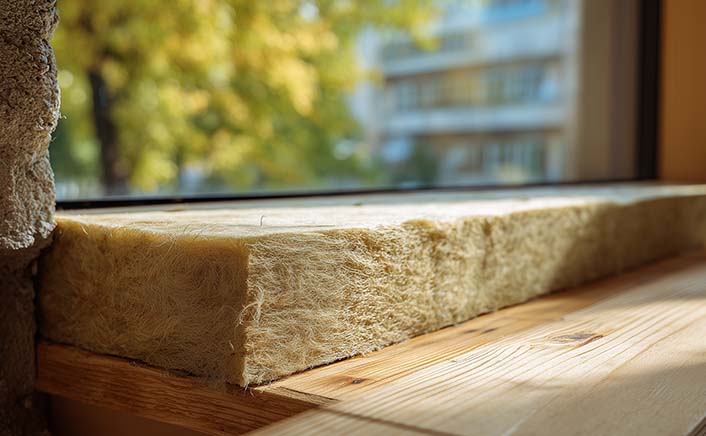
The Saudi Arabia Thermal Insulation Materials Market reached USD 1.40 billion in 2025 and is projected to grow to USD 2.61 billion by 2033, registering a CAGR of 8% from 2025 to 2033. Market expansion is primarily driven by rising construction activity, stricter enforcement of building energy-efficiency standards, and increasing demand for temperature-control solutions across residential, commercial, and industrial applications. Government initiatives such as the Saudi Building Code (SBC 601) and programs led by the Saudi Energy Efficiency Center are accelerating the adoption of insulation in new and existing buildings.
Rapid urbanization and housing development remain central to market growth. Saudi Arabia continues to invest heavily in residential construction through initiatives such as Sakani, aimed at increasing home ownership and addressing housing demand. Thermal insulation is becoming a standard requirement in modern residential buildings, particularly in urban centers, due to the country’s extreme climate conditions and the need to reduce cooling energy consumption. This structural shift is significantly increasing penetration rates of insulation materials such as expanded polystyrene (EPS) and glass wool.
Commercial and hospitality infrastructure is emerging as a major driver of demand, supported by tourism development and economic diversification efforts. Mega projects such as NEOM, the Red Sea Project, and Diriyah Gate are driving demand for high-performance insulation materials, including polyisocyanurate (PIR) and polyurethane (PU) systems, which offer superior thermal efficiency and durability. These projects are setting new benchmarks for energy-efficient construction, further accelerating the adoption of advanced insulation technologies.
Industrial demand remains a critical component of the market, particularly in the oil & gas and petrochemical sectors. Thermal insulation is essential for maintaining process efficiency, minimizing heat loss, and ensuring operational safety in pipelines, storage facilities, and processing units. As Saudi Arabia continues to expand its refining and petrochemical capacity, the demand for specialized insulation materials is expected to increase steadily. Industrial applications also require higher-performance materials, contributing to market value growth.
Polyurethane and polystyrene-based insulation materials dominate the Saudi market due to their cost-effectiveness and strong thermal performance. However, there is a gradual shift toward higher-value materials such as PIR and aerogels, particularly in commercial and industrial applications where performance requirements are more stringent. This transition reflects a broader market trend toward performance optimization and lifecycle cost efficiency rather than upfront cost minimization.
On the regional front, the Central Region, led by Riyadh, accounts for the largest share of insulation demand due to its concentration of residential and commercial projects. The Eastern Region, with its strong industrial base in cities such as Jubail and Dammam, remains a key hub for industrial insulation demand. Meanwhile, the Western Region is witnessing rapid growth driven by tourism infrastructure and religious developments in Makkah and Madinah.
Cost structure and raw material dynamics play a significant role in shaping market trends. Insulation materials derived from petrochemicals, such as PU and XPS, are influenced by fluctuations in oil prices and feedstock availability. While conventional materials such as glass wool remain cost-competitive, premium materials command higher prices due to superior performance characteristics. As energy efficiency becomes a higher priority, the market is gradually shifting toward materials that offer better long-term cost savings despite higher initial investment.
A mix of strong local manufacturers and global players characterizes the competitive landscape. Companies such as Saudi Rock Wool Factory and Zamil Insulation dominate the domestic supply of conventional materials. At the same time, international players including Saint-Gobain, Knauf Insulation, and Rockwool International provide advanced insulation solutions. Strategic partnerships with construction firms and participation in large-scale projects are critical for market positioning and growth.
Saudi Arabia’s strategic focus on sustainable construction, energy efficiency, and infrastructure development is expected to sustain long-term demand for thermal insulation materials. As regulatory enforcement strengthens and mega projects progress, the market will continue to evolve toward higher-performance materials and integrated insulation solutions, positioning it as a key component of the country’s broader economic transformation agenda.