The growing emphasis on preventive foot care, chronic disease management, and non-invasive healthcare solutions is accelerating demand for diabetic socks across global healthcare and consumer wellness markets.
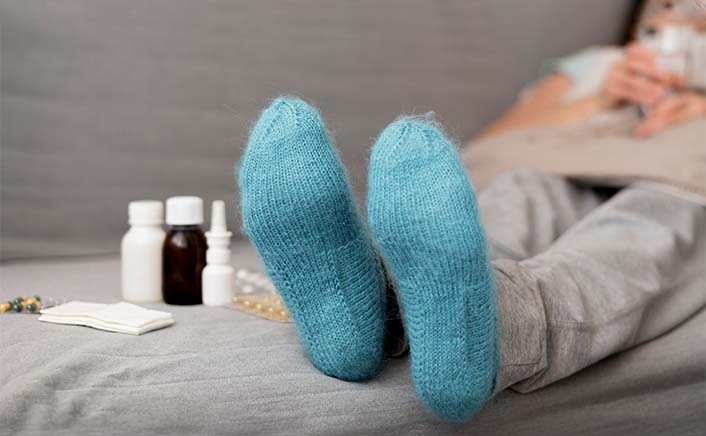
The Global Diabetic Socks Market is emerging as a structurally stable, healthcare-driven segment, supported by consistent replacement demand rather than by discretionary consumption. Healthcare professionals increasingly recommend diabetic socks to reduce pressure points, manage moisture, and minimize friction, all of which are critical to preventing ulcers and infections in patients with diabetes. As healthcare systems worldwide focus on early intervention and cost containment, demand for diabetic socks continues to grow across both clinical and home care settings.
The rising prevalence of diabetes is creating a sustained baseline demand.
The rapid increase in the global diabetic population is the primary force underpinning market growth. With diabetes now affecting hundreds of millions of adults worldwide, the incidence of peripheral neuropathy, poor circulation, and skin sensitivity has risen in parallel. These conditions significantly increase the risk of foot injuries, thereby making diabetic socks a widely adopted preventive measure. Demand remains steady across economic cycles, as medical necessity rather than lifestyle trends drives usage.
Preventive foot-care awareness is supporting wider adoption.
Rising awareness among patients and caregivers regarding diabetic foot complications is driving higher adoption of specialized socks. Educational initiatives by healthcare providers and public health organizations increasingly emphasize daily foot protection as a critical preventive measure. This has led to broader acceptance of non-binding, moisture-wicking diabetic socks, particularly among older adults and high-risk patients, thereby supporting consistent volume growth across developed and emerging markets.
Retail pharmacies and e-commerce channels are expanding their market reach.
The expansion of retail pharmacy networks and online healthcare platforms is significantly improving access to products. Diabetic socks are now widely available through pharmacies, specialty medical stores, and e-commerce channels, enabling repeat purchases and subscription-style buying behavior. Online platforms, in particular, are supporting demand growth by offering wider product selection, transparent pricing, and convenient replenishment, especially in urban and semi-urban markets.
Material innovation is driving gradual premiumization.
Manufacturers are increasingly incorporating antimicrobial treatments, bamboo fibers, and advanced moisture-management technologies to enhance comfort and infection prevention. While cotton-based non-binding socks continue to dominate unit sales, premium variants are gaining traction among consumers with advanced diabetic conditions. This gradual premiumization supports value growth without introducing volatility, maintaining the market’s fundamentally stable expansion profile.
Moderate substitution risk reinforces long-term market stability.
While alternative foot-care products, such as orthopedic insoles and medical footwear, exist, diabetic socks remain a low-cost, low-risk preventive option with broad applicability; their ease of use, affordability, and compatibility with everyday footwear limit the risk of substitution. As a result, the market is characterized by steady mid-single-digit growth rather than rapid or speculative expansion.
Competitive Landscape
The Global Diabetic Socks Market features a mix of established medical hosiery manufacturers and specialized foot-care brands. Key participants include Sigvaris Group and Medi GmbH & Co. KG, both of which benefit from strong clinical credibility and hospital-linked distribution. Therafirm and DJO Global operate diversified portfolios spanning circulatory and orthopedic care. Consumer-facing brands such as Dr. Scholl’s and Ames Walker emphasize accessibility through retail and online channels. Niche and emerging players, including Simcan, Orthofeet, Bioxtex, and Care+Wear, continue to strengthen competition through material innovation and patient-focused design.